911
Sixty years, one place — a sports car in constant evolution
After debuting as the 901 at the IAA in September 1963, this is the one sports car that has evolved for over sixty years from a single position: a six-cylinder engine slung behind the rear axle. A trademark dispute with Peugeot forced a rename to 911 within a year, but almost everything else has changed — air-cooled to water-cooled, naturally aspirated to turbocharged, and in 2024, the first hybrid.
Self-denial as a means of survival
In the early 1990s, Porsche stood on the edge of bankruptcy. In 1997, the 996 shared a platform with the Boxster and switched to water cooling — a self-denial of the 911's identity, but also the decision that saved the company. The M96's IMS failures and the "fried-egg headlight" backlash were redeemed by the 1999 GT3 and the 2003 GT3 RS, and the 911 was made whole again.
Naturally aspirated and turbocharged — two 911s
From the 991.2 (2015), every Carrera went turbo, and the naturally aspirated engine was reserved for the GT3, R, and S/T. From the 2011 GT3 RS 4.0 (997) to the 2023 911 S/T (992), the cars that kept a manual seven-speed and a 4.0-liter natural-aspiration engine soared past three times their list price — building the sanctuary of the "last NA 911".
The first hybrid 911 — the T-Hybrid era
Unveiled in May 2024, the 992.2 Carrera GTS combined a 1.9 kWh battery, an electric turbo, and an integrated-motor PDK as the 911's first hybrid — 540 ps, 0–100 km/h in 3.0 seconds. The GT3, however, still keeps its naturally aspirated 4.0-liter, and so even in the electrified era the 911 carries its dual identity — daily and track — down two separate roads.
Sixty years, one place — a sports car in constant evolution. After debuting as the 901 at the IAA in September 1963, this is the one sports car that has evolved for over sixty years from a single position: a six-cylinder engine slung behind the rear axle. A trademark dispute with Peugeot forced a rename to 911 within a year, but almost everything else has changed — air-cooled to water-cooled, naturally aspirated to turbocharged, and in 2024, the first hybrid. Self-denial as a means of survival. In the early 1990s, Porsche stood on the edge of bankruptcy. In 1997, the 996 shared a platform with the Boxster and switched to water cooling — a self-denial of the 911's identity, but also the decision that saved the company. The M96's IMS failures and the "fried-egg headlight" backlash were redeemed by the 1999 GT3 and the 2003 GT3 RS, and the 911 was made whole again. Naturally aspirated and turbocharged — two 911s. From the 991.2 (2015), every Carrera went turbo, and the naturally aspirated engine was reserved for the GT3, R, and S/T. From the 2011 GT3 RS 4.0 (997) to the 2023 911 S/T (992), the cars that kept a manual seven-speed and a 4.0-liter natural-aspiration engine soared past three times their list price — building the sanctuary of the "last NA 911". The first hybrid 911 — the T-Hybrid era. Unveiled in May 2024, the 992.2 Carrera GTS combined a 1.9 kWh battery, an electric turbo, and an integrated-motor PDK as the 911's first hybrid — 540 ps, 0–100 km/h in 3.0 seconds. The GT3, however, still keeps its naturally aspirated 4.0-liter, and so even in the electrified era the 911 carries its dual identity — daily and track — down two separate roads.
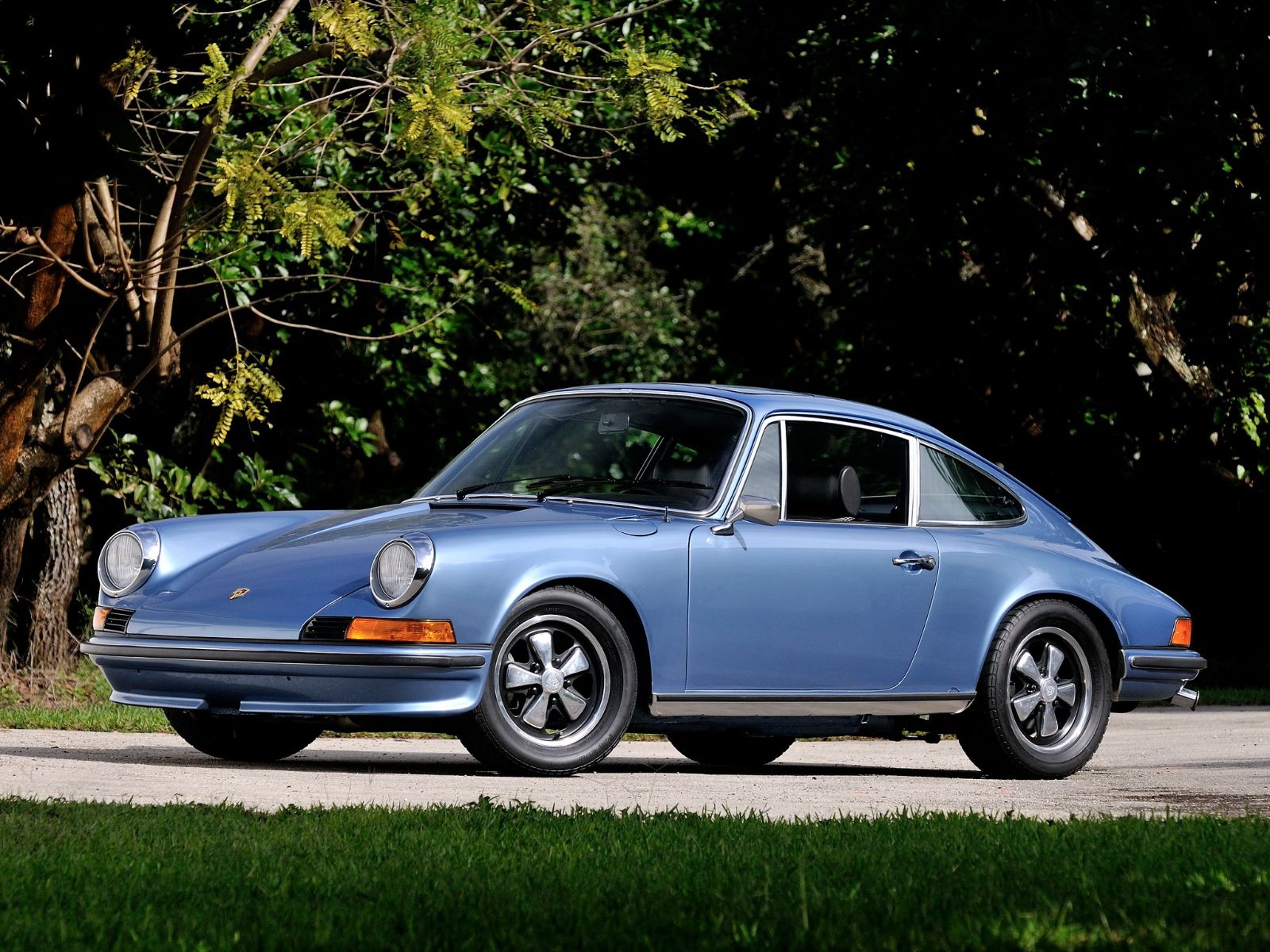
911 901
1st generation (1964–1973). Debuted at the 1963 IAA as the 901; renamed 911 after a trademark clash with Peugeot over the 0-digit-0 nomenclature. Designed by F.A. 'Butzi' Porsche, it launched with a rear-mounted air-cooled flat-six, 2.0L, 130 PS. The torsion-bar suspension and fastback silhouette became the 911 archetype that would stay essentially intact for sixty years. The 1972 Carrera RS 2.7 marked the birth of the 'RS' identity.
- Milestone901 데뷔 — 프랑크푸르트 IAA356의 후속으로 페리 포르쉐의 아들 부치 포르쉐(F.A. Porsche)가 디자인한 901이 IAA에서 공개됐다. 후방 공냉 6기통 2.0L 130ps, 2+2 시팅, 패스트백 실루엣 — 911 정체성이 모두 여기서 시작됐다.Wikipedia (Classic 911) ↗
- Milestone901 debuts at Frankfurt IAASuccessor to the 356, designed by Ferry Porsche's son F.A. 'Butzi' Porsche. Unveiled at the IAA. Rear-mounted air-cooled flat-six 2.0L 130 PS, 2+2 seating, fastback silhouette — every element of the 911's identity began here.Wikipedia (Classic 911) ↗
- Launch양산 1호기 출고 — 슈투트가르트슈투트가르트-주펜하우젠 공장에서 차대번호 300001 양산 1호기가 출고됐다. 첫 1년에 232대만 생산된 희귀 모델.Wikipedia (Classic 911) ↗
- LaunchFirst production unit rolls out — StuttgartProduction unit number 300001 left the Stuttgart-Zuffenhausen factory. Just 232 units were built in the first year — a rarity.Wikipedia (Classic 911) ↗
- Milestone911로 개명 — 푸조 상표권 충돌판매 직후 푸조가 0을 가운데 둔 3자리 차명에 대한 권리를 주장, 901은 911로 개명됐다. 차대번호 300001 이후 차량 모두 911로 표기.Wikipedia (Classic 911) ↗
- MilestoneRenamed 911 — Peugeot trademark clashShortly after sales began, Peugeot asserted rights to three-digit names with a zero in the middle, forcing Porsche to rename the 901 to 911. Every car after chassis 300001 wore the new name.Wikipedia (Classic 911) ↗
- Milestone카레라 RS 2.7 — ‘RS’ 계보의 시작210ps, 1,075kg, 덕테일 스포일러로 그룹 4 호몰로게이션을 위해 1,580대 한정 생산. ‘RS(Rennsport)’ 정체성이 911에 처음 붙은 차이자 클래식 911 시장 최고가 모델.Wikipedia (Carrera RS 2.7) ↗
- MilestoneCarrera RS 2.7 — birth of the 'RS' line210 PS, 1,075 kg, ducktail rear spoiler — built in 1,580 units to homologate Group 4 racing. The first 911 to wear 'RS' (Rennsport), and the most valuable classic 911 on today's collector market.Wikipedia (Carrera RS 2.7) ↗
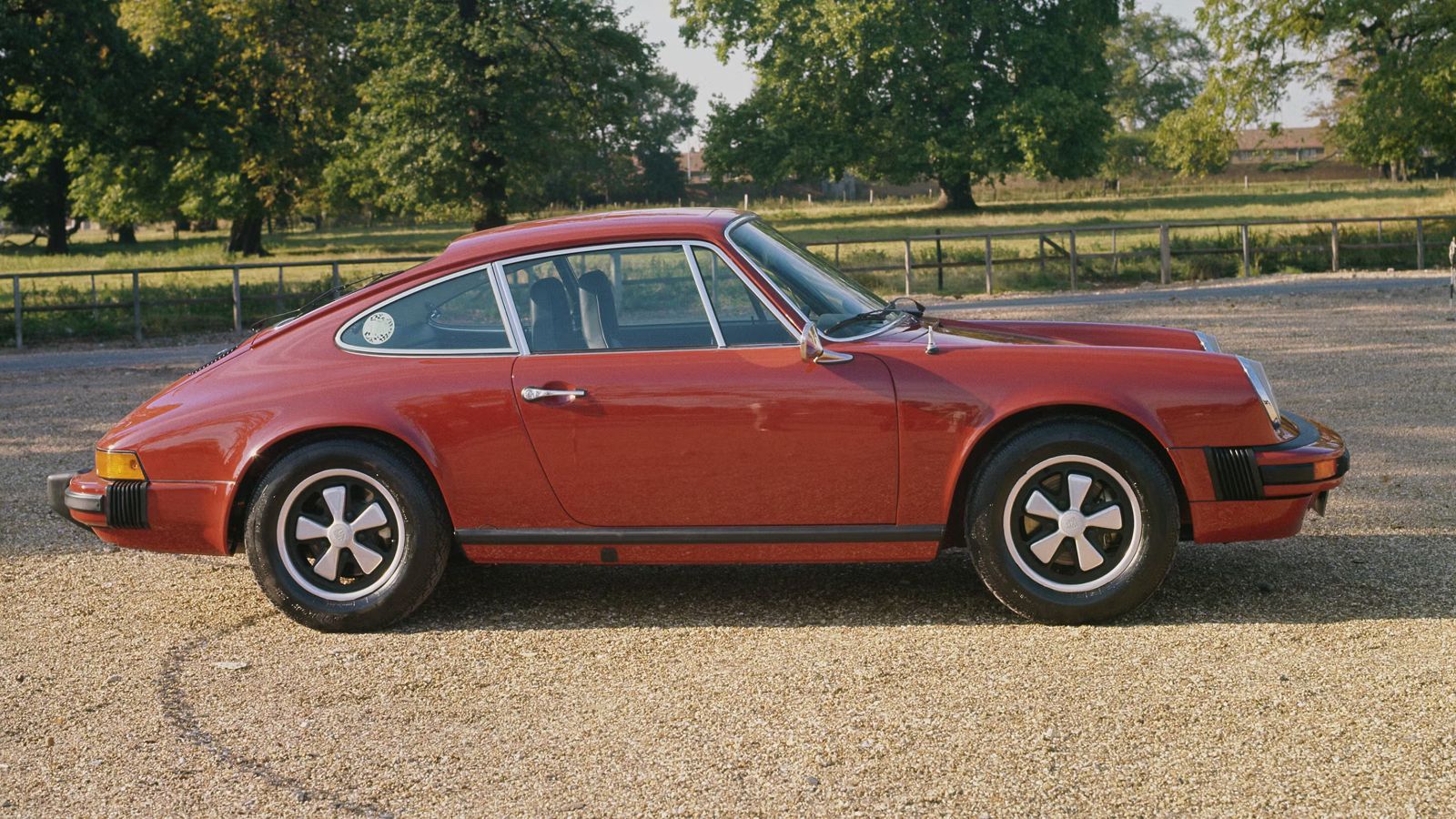
911 G-Series
2nd-generation G-Series (1973–1989). The longest-running 911 generation, sixteen years on the line. U.S. 5 mph crash regulations introduced the aluminium impact bumpers, and the 1974 911 Turbo (930) opened the 911's first forced-induction chapter with a KKK turbo and 260 PS. The 1982 SC Cabriolet and the 1984 Carrera 3.2 (231 PS + Bosch Motronic) settled the lineup — the generation that pulled the 911 back from the brink of cancellation.
- Launch2세대 G-Series 출시 — 임팩트 범퍼 시대미국 5mph 충돌 규제 대응으로 알루미늄 임팩트 범퍼가 도입돼 911 외형이 처음 크게 바뀌었다. 1989년까지 16년 198,496대 생산 — 911의 가장 긴 세대.Wikipedia (G-Series) ↗
- Launch2nd-gen G-Series launches — the impact-bumper eraIn response to U.S. 5 mph crash regulations, aluminium impact bumpers arrived — the 911's first major exterior change. Built until 1989, 198,496 units across 16 years — the longest-running 911 generation.Wikipedia (G-Series) ↗
- Milestone911 터보(930) 파리 모터쇼 데뷔3.0L KKK 터보차저 260ps, 0-100 5.5초. 911의 첫 과급 모델이자 ‘위도우메이커(Widowmaker)’ 전설의 시작. 1978년 3.3L 인터쿨러로 진화하며 표준이 됐다.Wikipedia (930 Turbo) ↗
- Milestone911 Turbo (930) debuts at the Paris Motor Show3.0L KKK turbocharger, 260 PS, 0–100 in 5.5 seconds. The 911's first forced-induction model and the start of the 'Widowmaker' legend. Evolved with a 3.3L intercooled engine in 1978, becoming the standard.Wikipedia (930 Turbo) ↗
- Milestone911 SC 카브리올레 — 30년 만의 풀 오픈1965년 타르가 이후 처음 등장한 풀 오픈 911. 911 SC 카브리올레로 라인업이 본격 확장됐다.Wikipedia (G-Series) ↗
- Milestone911 SC Cabriolet — a fully open 911 after 30 yearsThe first fully open 911 since the 1965 Targa. The 911 SC Cabriolet expanded the lineup in earnest.Wikipedia (G-Series) ↗
- F/L카레라 3.2 — G의 황금기3.2L 231ps + Bosch Motronic 디지털 엔진 제어 첫 도입. 1989년까지 76,473대 생산되며 G-Series 시대의 표준이 됐다. 1989년 단종 직전 스피드스터로 마감.Wikipedia (Carrera 3.2) ↗
- F/LCarrera 3.2 — the G-Series' golden age3.2L 231 PS plus the first Bosch Motronic digital engine management. Built in 76,473 units through 1989, becoming the standard for the G-Series era. Production closed with the Speedster in 1989.Wikipedia (Carrera 3.2) ↗
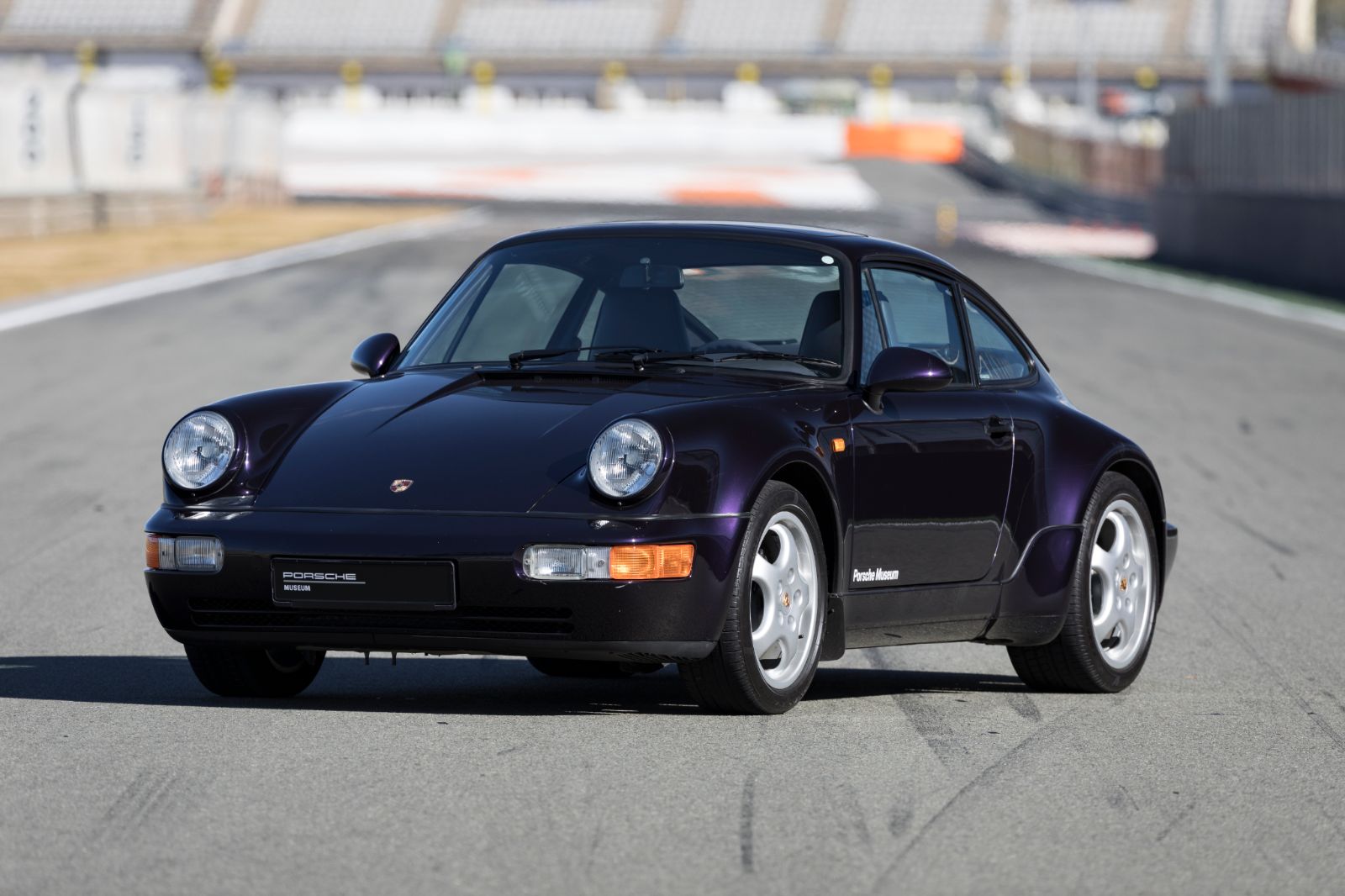
911 964
3rd generation 964 (1989–1994). 87% of the 911's parts were new — the first AWD Carrera 4, the first automatic gearbox in Tiptronic guise, and torsion bars replaced by coil springs. It looked like a 911 outside but was nearly a different car underneath. The 1990 Turbo (965), 1991 Carrera RS 290 PS and 1993 Speedster — basically every grail of today's classic 911 collector market came out of this generation.
- Launch3세대 964 출시 — 부품 87% 교체1988년 프랑크푸르트 모터쇼에서 카레라 4(첫 4WD)로 데뷔. 1990년 카레라 2 후륜 모델과 첫 자동변속기 Tiptronic 추가. 토션바를 코일 스프링으로 대체하며 911을 현대화한 분기점.Wikipedia (964) ↗
- Launch3rd-gen 964 launches — 87% new partsDebuted at the 1988 Frankfurt Motor Show as the all-wheel-drive Carrera 4. The rear-wheel-drive Carrera 2 and the first automatic, Tiptronic, joined in 1990. Replacing torsion bars with coil springs was the watershed that modernised the 911.Wikipedia (964) ↗
- Milestone964 터보 — 마지막 클래식 단일 터보930의 3.3L 엔진을 이어받은 320ps 모델. 1992년 3.6L 360ps로 업그레이드되며 단일 KKK 터보 시대의 정점.Wikipedia (964 Turbo) ↗
- Milestone964 Turbo — the last classic single-turboCarried over the 930's 3.3L engine for 320 PS. Upgraded to a 3.6L 360 PS in 1992 — the apex of the single-KKK-turbo era.Wikipedia (964 Turbo) ↗
- Milestone964 카레라 RS — 290ps, 무게 1,230kg에어컨·파워윈도우·뒷좌석을 모두 들어낸 순수 드라이버스 카. 290ps + LSD + 알루미늄 휠. 오늘날 가장 가치가 높은 964.Wikipedia (964 RS) ↗
- Milestone964 Carrera RS — 290 PS, 1,230 kgA pure driver's car with the AC, power windows and rear seats deleted. 290 PS plus an LSD plus aluminium wheels. The most valuable 964 on today's market.Wikipedia (964 RS) ↗
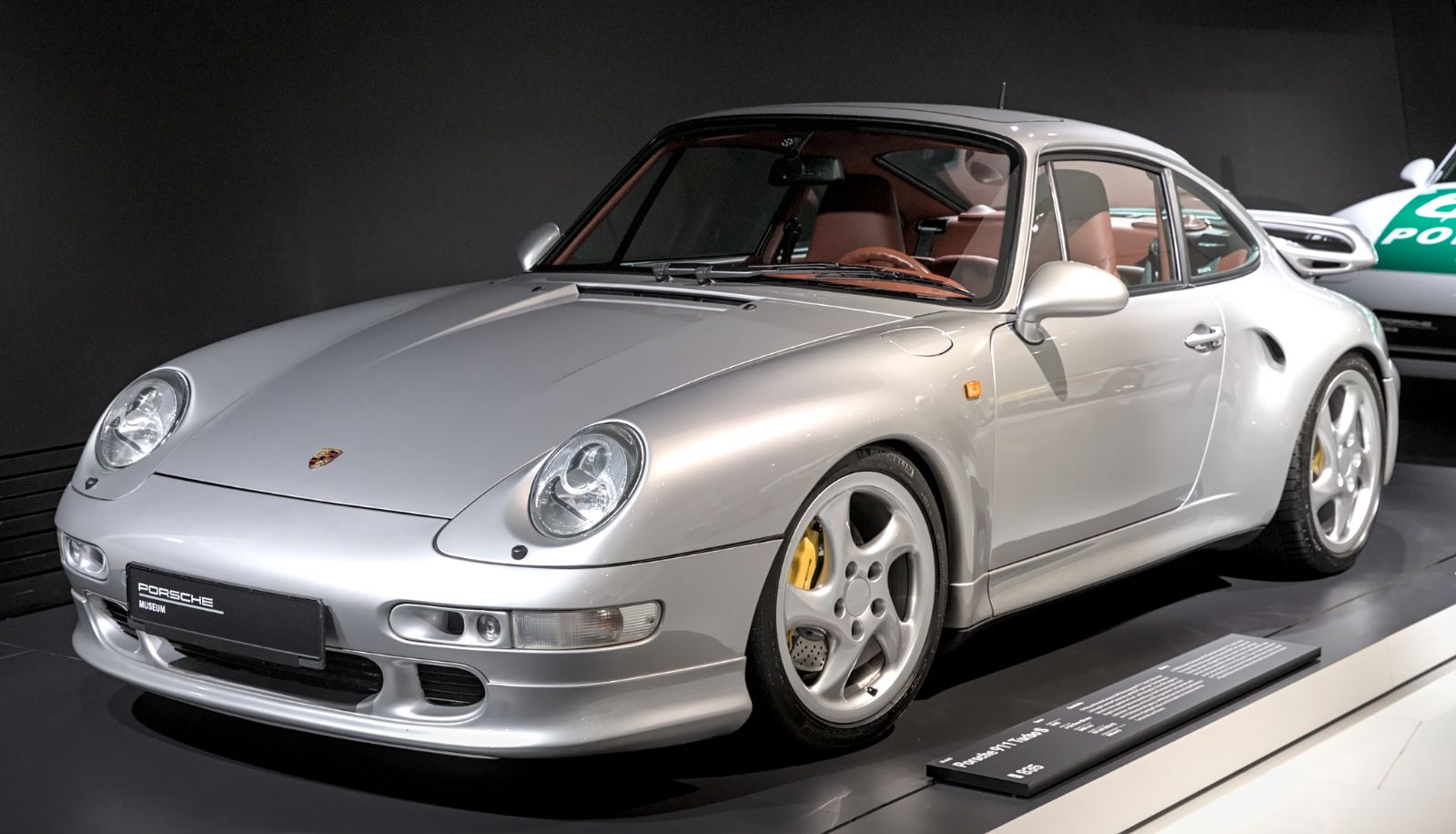
911 993
4th generation 993 (1993–1998). The last air-cooled 911. The trailing-arm rear suspension that dated back to the 1960s was replaced with a multi-link setup, kicking handling into a new dimension. The 1995 911 Turbo standardised twin-turbo and AWD, and the 1997 Turbo S 450 PS closed the air-cooled era at its absolute peak. One of the very few 911s whose values have not dropped in thirty years.
- Launch4세대 993 출시 — 마지막 공냉 9111993년 IAA에서 데뷔. 60년대 트레일링 암 후륜 서스펜션을 멀티링크로 교체하며 핸들링이 새 차원에 진입. 마지막 공냉 엔진(M64) 세대로 기록됐다.Wikipedia (993) ↗
- Launch4th-gen 993 launches — the last air-cooled 911Debuted at the 1993 IAA. Replaced the 1960s-era trailing-arm rear suspension with a multi-link setup, lifting handling to a new dimension. The last generation with the air-cooled M64 engine.Wikipedia (993) ↗
- Milestone993 터보 — 트윈터보·4WD 표준화3.6L 트윈터보 408ps + 4WD 표준 적용. 911 터보의 ‘위도우메이커’ 시대가 끝나고 모두에게 안전한 슈퍼카가 됐다.Wikipedia (993 Turbo) ↗
- Milestone993 Turbo — twin-turbo and AWD become standard3.6L twin-turbo 408 PS plus standard AWD. The 911 Turbo's 'Widowmaker' era ended — the supercar became safe for everyone.Wikipedia (993 Turbo) ↗
- Milestone993 터보 S — 450ps, 공냉의 정점한정 345대. 공냉 911의 마지막 챕터를 가장 강한 한 대로 마감했다. 출고 직후부터 컬렉터블.Wikipedia (993 Turbo S) ↗
- Milestone993 Turbo S — 450 PS, the apex of air-coolingLimited to 345 units. The closing chapter of the air-cooled 911, sealed at its strongest output. Collectible from the day it was delivered.Wikipedia (993 Turbo S) ↗
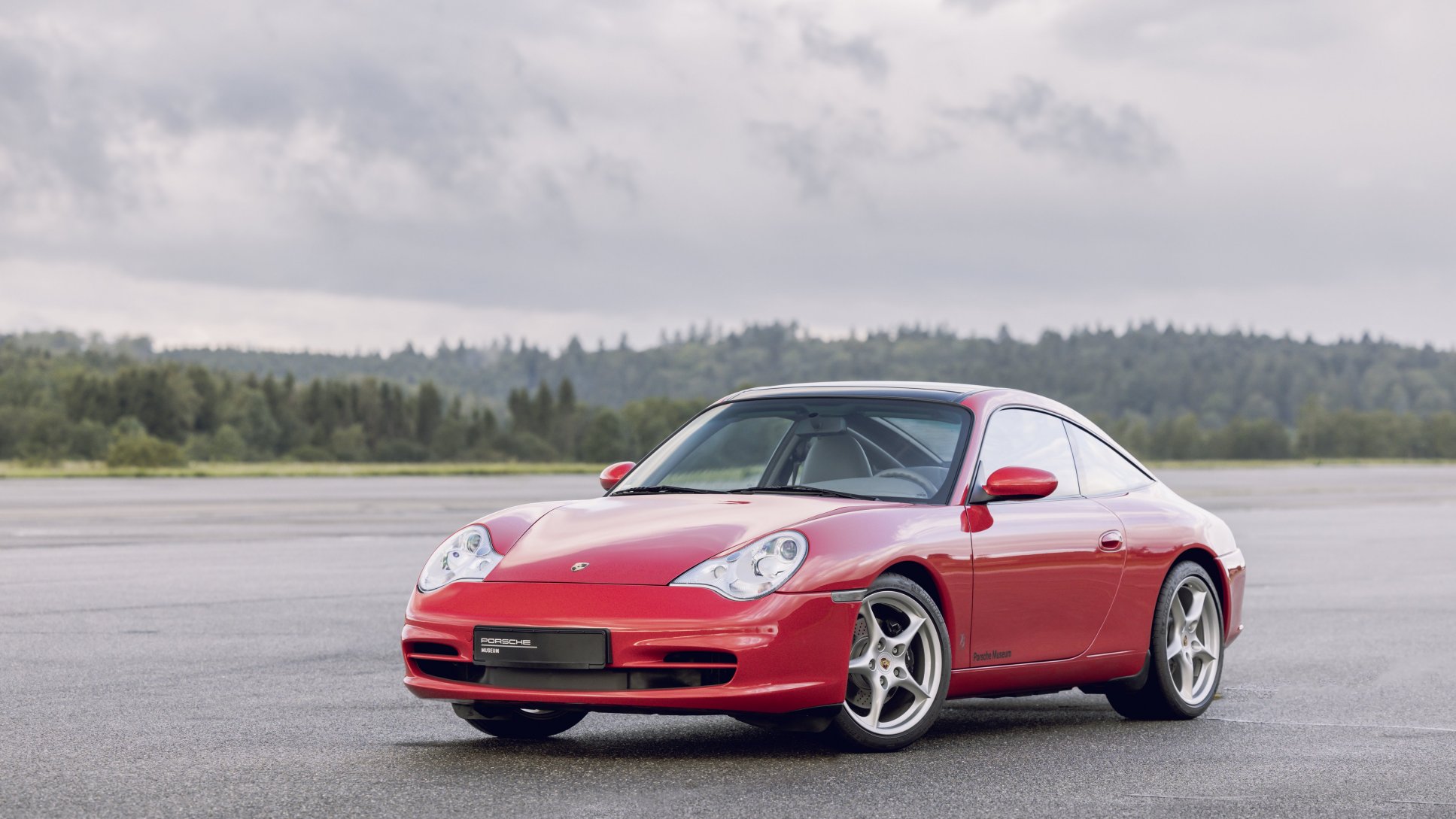
911 996
5th generation 996 (1997–2005). The first water-cooled 911. The shared platform and 'fried-egg' headlamps with the Boxster (986), plus M96 IMS bearing failures, bruised its reputation. But without the 996, Porsche likely wouldn't have survived. The 1999 GT3 and the 2003 GT3 RS / GT2 are the cars that restored the 996's honour.
- Launch5세대 996 출시 — 첫 수냉 911프랑크푸르트 모터쇼에서 데뷔. 환경 규제로 공냉 종말을 맞았고, 박스터(986)와 플랫폼·헤드램프를 공유해 ‘프라이드 에그’ 비판이 나왔지만 911을 살린 결정이었다.Wikipedia (996) ↗
- Launch5th-gen 996 launches — the first water-cooled 911Debuted at the Frankfurt Motor Show. Emissions regulations ended the air-cooled era, and sharing a platform and headlamps with the Boxster (986) drew the 'fried-egg' criticism — but it was the call that saved the 911.Wikipedia (996) ↗
- Milestone996 GT3 — ‘GT3’ 계보의 시작Mezger 엔진(996 GT1 기반) 3.6L 360ps. 911 라인업에서 자연흡기·트랙 지향 GT3가 처음 분리된 세대.Wikipedia (911 GT3) ↗
- Milestone996 GT3 — the start of the 'GT3' lineMezger engine (derived from the 996 GT1), 3.6L 360 PS. The first generation in which the naturally aspirated, track-focused GT3 was split out from the rest of the 911 lineup.Wikipedia (911 GT3) ↗
- RecallM96 IMS 베어링·실린더 라이너 결함중간축 베어링과 D-chunk 실린더 라이너 결함이 보고되며 996의 평판이 멍들었다. 이후 996.2(2002 페이스리프트)에서 일부 개선.Wikipedia (996) ↗
- RecallM96 IMS bearing and cylinder-liner defects surfaceFailures of the intermediate-shaft bearing and 'D-chunk' cylinder liners came to light, bruising the 996's reputation. Partially addressed in the 996.2 facelift in 2002.Wikipedia (996) ↗
- Milestone996 GT3 RS·GT2 — 996의 명예 회복996 GT3 RS 381ps + 카본 리어 윙, GT2 462ps + 후륜구동 트윈터보. 트랙 지향 모델이 996의 디자인 비판을 만회시켰다.Wikipedia (996 GT) ↗
- Milestone996 GT3 RS / GT2 — restoring the 996's reputation996 GT3 RS — 381 PS plus a carbon rear wing. GT2 — 462 PS, rear-wheel drive, twin-turbo. The track-focused models that finally redeemed the 996's much-criticised design.Wikipedia (996 GT) ↗
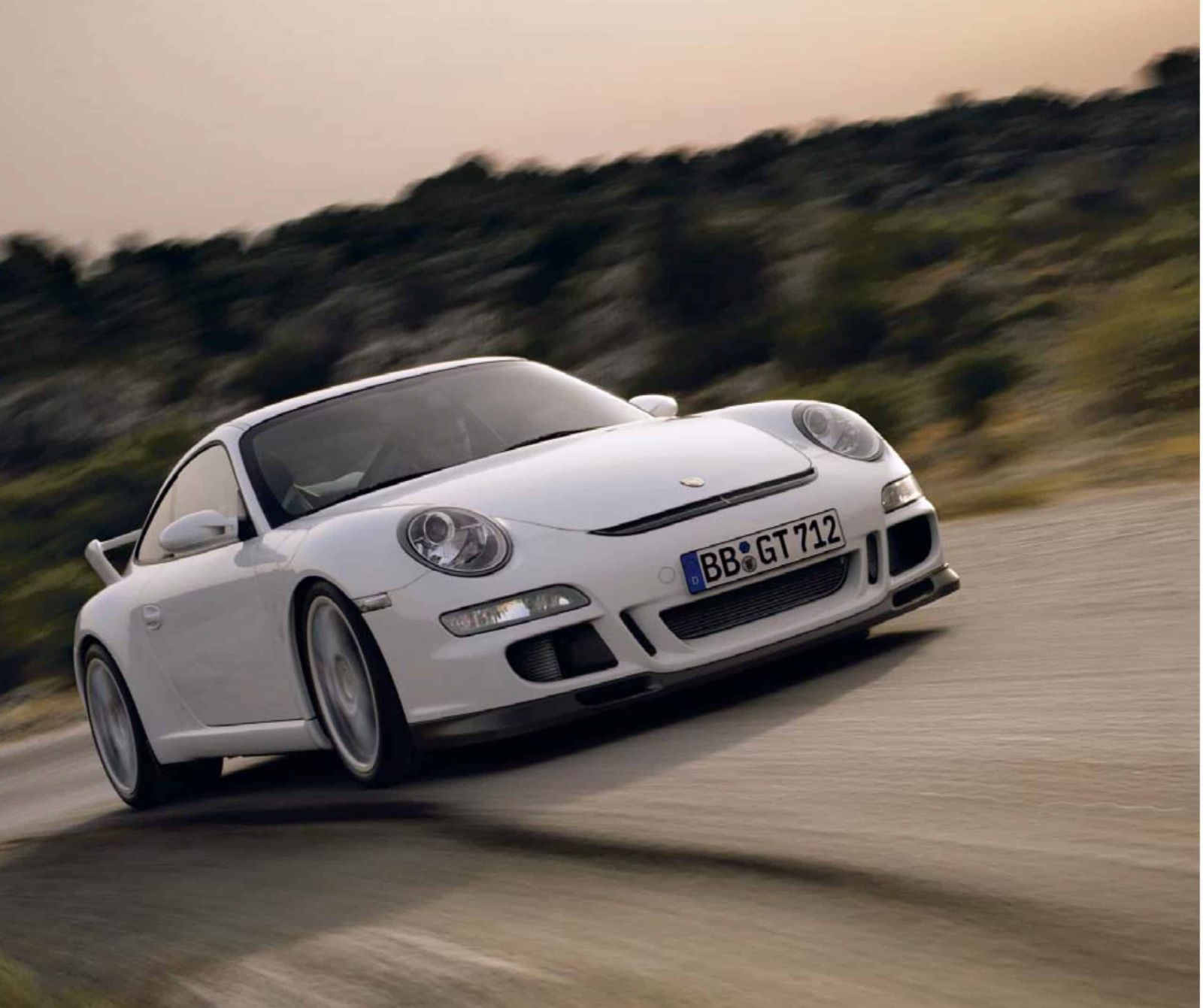
911 997
6th generation 997 (2004–2012). The design returned to the 911 — round headlamps, swollen rear haunches, classic proportions restored. Gen2 (2008) introduced DFI direct injection and the PDK 7-speed dual-clutch, properly opening Porsche's automatic-transmission era, and the 2011 GT3 RS 4.0 (500 PS, 600 units) defined the final apex of the naturally aspirated 911.
- Launch6세대 997 출시 — 디자인이 911로 돌아왔다둥근 헤드램프, 부풀어 오른 펜더로 클래식 911 비례 복원. 996의 디자인 비판을 봉합한 세대.Wikipedia (997) ↗
- Launch6th-gen 997 launches — the design returns to the 911Round headlamps and swollen rear haunches restored the classic 911 proportions. The generation that closed off the 996 design backlash.Wikipedia (997) ↗
- F/L997 Gen2 — DFI·PDK 도입직접분사 DFI 엔진과 PDK 7단 듀얼클러치 변속기 도입. Tiptronic을 대체한 PDK가 포르쉐 자동변속 시대를 본격적으로 열었다.Wikipedia (997 Gen2) ↗
- F/L997 Gen2 — DFI and PDK arriveDirect-injection DFI engines and the PDK 7-speed dual-clutch arrived. Replacing Tiptronic, the PDK properly opened Porsche's automatic-transmission era.Wikipedia (997 Gen2) ↗
- MilestoneGT3 RS 4.0 — 자연흡기 911의 마지막 정점4.0L 자연흡기 500ps, 600대 한정. 자연흡기 GT3의 정점이자 가치가 출고가의 3배 이상으로 오른 컬렉터블.Wikipedia (GT3 RS 4.0) ↗
- MilestoneGT3 RS 4.0 — the final peak of the naturally aspirated 9114.0L NA 500 PS, 600 units. The apex of the naturally aspirated GT3, with collector values now well over 3× original list price.Wikipedia (GT3 RS 4.0) ↗
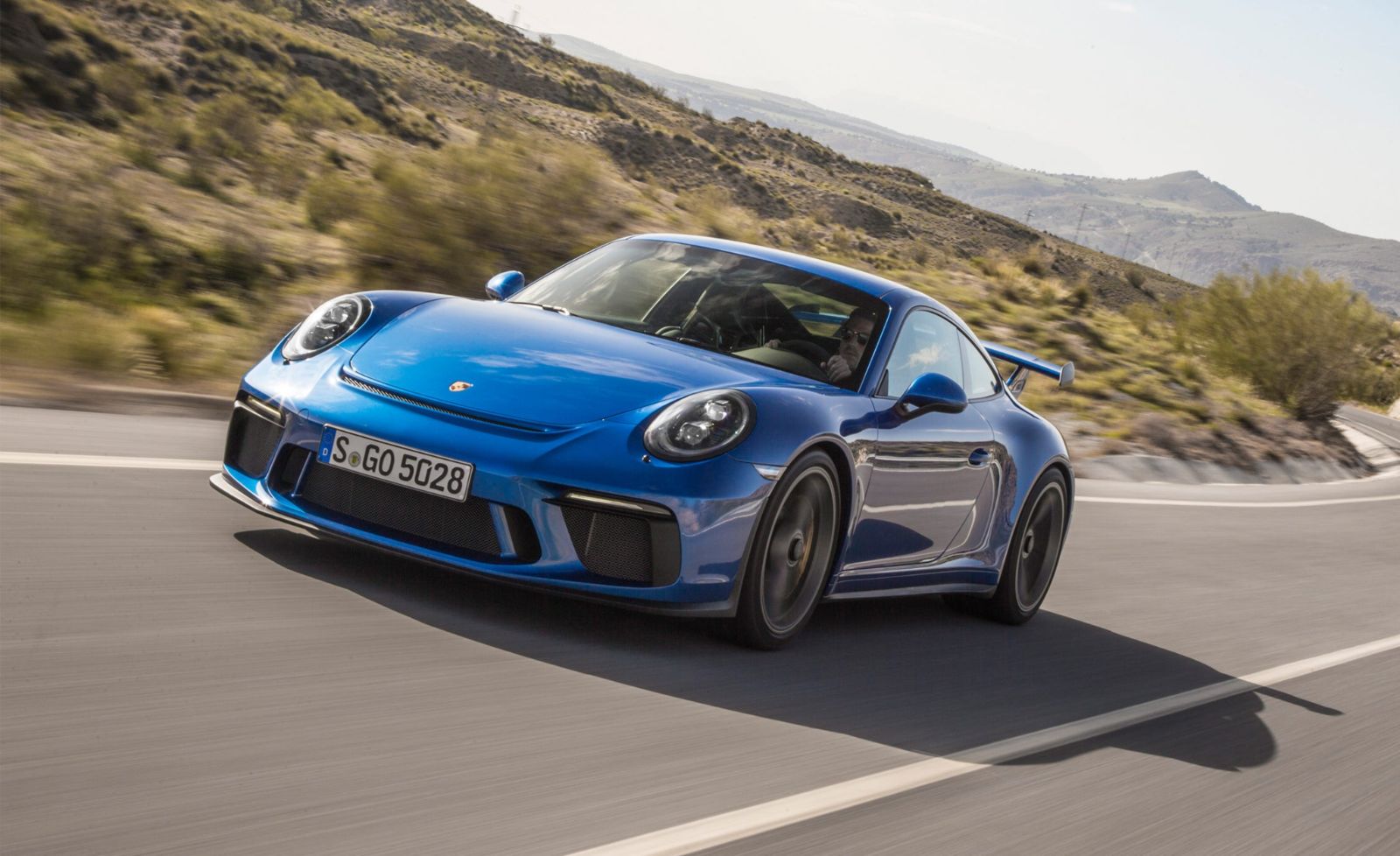
911
7th-generation pre-LCI 991.1 (2011–2015). First aluminium monocoque. Wheelbase +100 mm, weight -45 kg. Critics complained 'the 911 has changed' when electric power steering arrived, but handling actually got more precise. The 2013 GT3 introduced PDK and rear-axle steering (RAS) for the first time, sparking the manual-GT3 outcry that defined the era.
- Launch7세대 991 프랑크푸르트 IAA 데뷔첫 알루미늄·강철 하이브리드 모노코크. 휠베이스 +100mm, 무게 -45kg. 전동식 스티어링 도입으로 ‘911이 변했다’는 비판이 일었다.Wikipedia (991) ↗
- Launch7th-gen 991 debuts at Frankfurt IAAFirst aluminium-and-steel hybrid monocoque. Wheelbase +100 mm, weight –45 kg. The arrival of electric power steering drew loud complaints that 'the 911 has changed.'Wikipedia (991) ↗
- Milestone991 GT3 — PDK·후륜 조향 첫 도입GT3에 PDK가 처음 들어가 매뉴얼 GT3 단종 논란이 일었다. 후륜 조향(RAS)으로 코너 민첩성이 한 단계 올라갔다.Wikipedia (991 GT3) ↗
- Milestone991 GT3 — first PDK and rear-axle steeringPDK in a GT3 for the first time, sparking outcry over the discontinuation of the manual GT3. Rear-axle steering (RAS) lifted corner agility to another level.Wikipedia (991 GT3) ↗
- F/L991.2 — 모든 카레라가 터보가 됐다프랑크푸르트 모터쇼에서 LCI 공개. 3.0L 트윈터보가 카레라·카레라 S 모두에 표준 탑재되며 자연흡기는 GT3·R 전용으로 분리됐다.Wikipedia (991.2) ↗
- F/L991.2 — every Carrera went turboLCI revealed at the Frankfurt Motor Show. 3.0L twin-turbos went standard across the Carrera and Carrera S — naturally aspirated 911s were now confined to the GT3 and R.Wikipedia (991.2) ↗
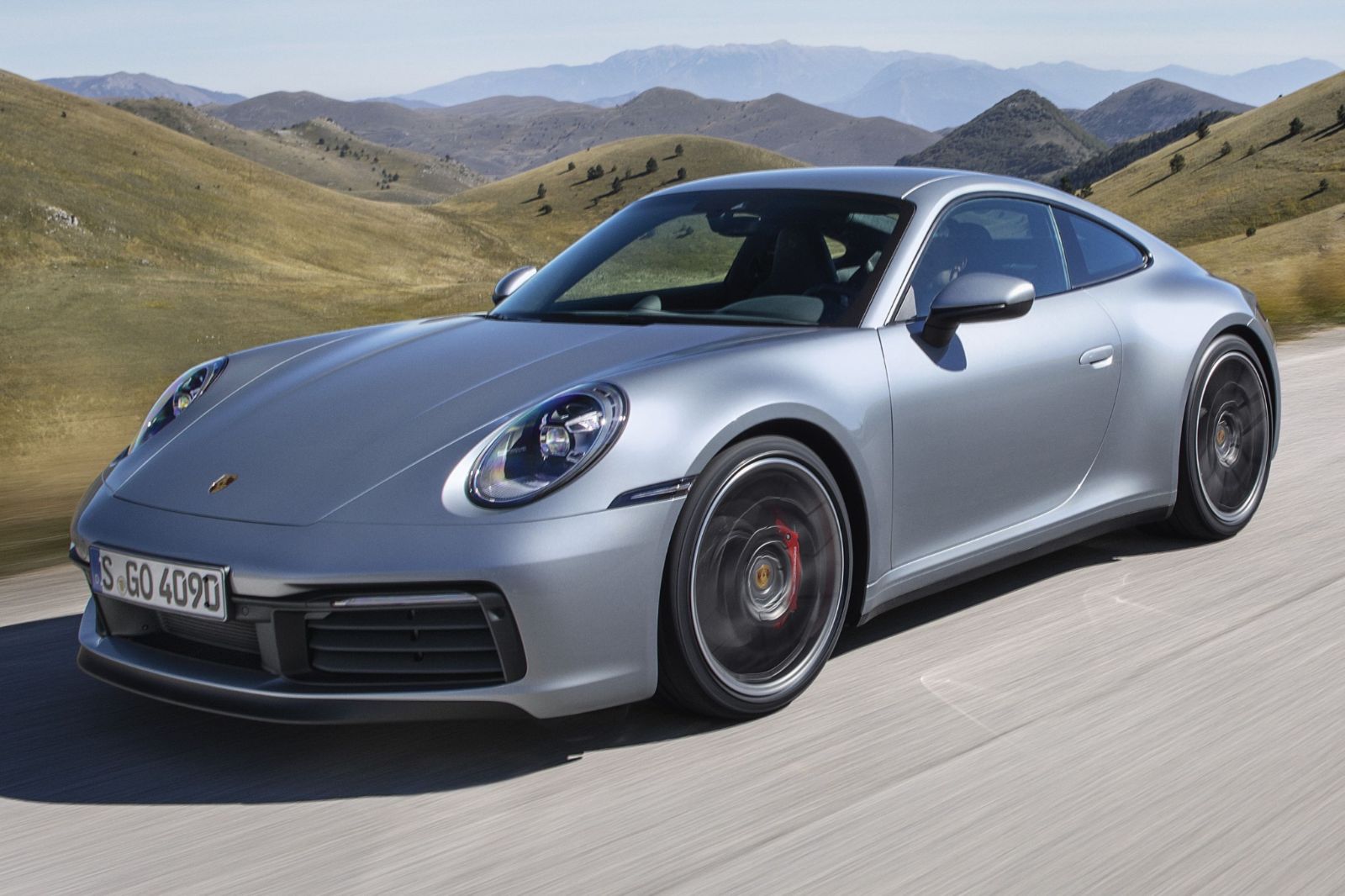
911
7th-generation LCI 991.2 (2015–2019). Carrera and Carrera S all switched to 3.0L twin-turbo flat-sixes — the 911's naturally aspirated era was now confined to the GT3 and R. The 2017 GT3 Touring (manual, no wing) and the 991-unit limited 911 R (2016) elevated the 'last NA 911' into a genuine sanctuary.
- Milestone911 R(991) — 자연흡기·매뉴얼의 부활제네바 모터쇼 공개, 991대 한정. 자연흡기 4.0L 500ps + 6단 매뉴얼 + 윙 없는 보디. 출고가의 3배 이상으로 가격이 즉시 뛰며 ‘투기’ 논란을 일으킨 차.Wikipedia (911 R) ↗
- Milestone911 R (991) — naturally aspirated and manual returnGeneva Motor Show debut, 991 units. NA 4.0L 500 PS plus a six-speed manual plus a wingless body. Values jumped to over 3× list price the moment cars were delivered, igniting the 'speculation' debate.Wikipedia (911 R) ↗
- MilestoneGT3 Touring — 매뉴얼·날개 없는 GT3프랑크푸르트 모터쇼에서 공개. 윙 없는 트렁크와 6단 매뉴얼만으로 구성된 GT3. ‘드라이버스 카’ 정체성을 가장 순수하게 표현했다.Wikipedia (GT3 Touring) ↗
- MilestoneGT3 Touring — manual, no wingFrankfurt Motor Show reveal. A wingless trunk and a six-speed manual only — the most distilled expression of the 'driver's car' identity.Wikipedia (GT3 Touring) ↗
911
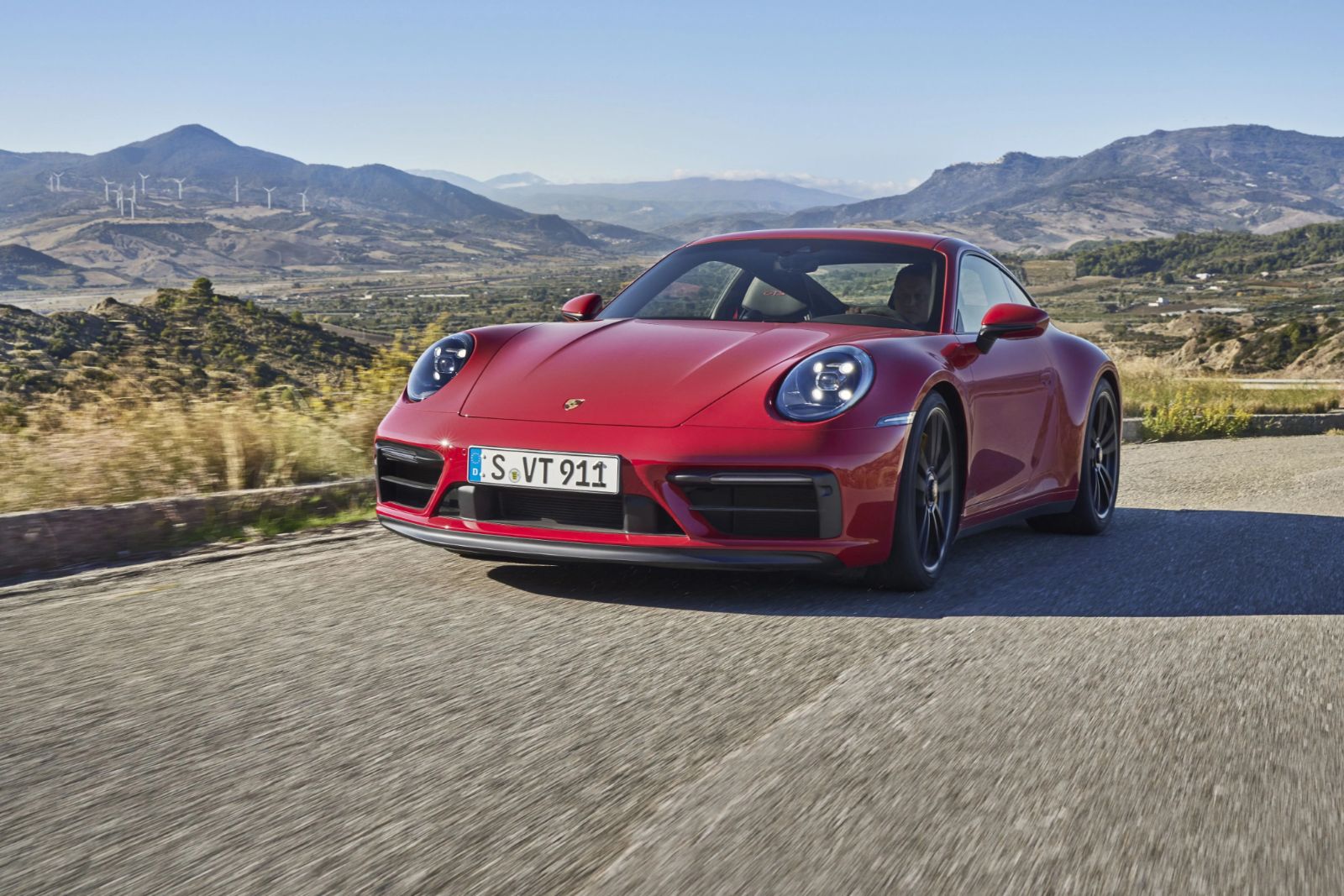
8th-generation pre-LCI 992.1 (2018–2024). All 911s unified onto the wide-body shell, 8-speed PDK standard, expanded adaptive suspension. The 2021 GT3 introduced front double-wishbone pushrod suspension for the first time, and the 2022 GT3 RS lapped the Nürburgring in 6:49.328 with active aerodynamics and a DRS wing — the closing chapter of the naturally aspirated 4.0L.
- Launch8세대 992 LA 오토쇼 데뷔Los Angeles Auto Show에서 글로벌 공개. 카레라부터 GT3까지 모두 와이드보디로 통일. 8단 PDK 표준화, 어댑티브 서스펜션·후륜 조향 옵션 확대.Wikipedia (992) ↗
- Launch8th-gen 992 debuts at LA Auto ShowGlobal reveal at the Los Angeles Auto Show. From Carrera to GT3, every variant unified onto the wide-body shell. Standard 8-speed PDK, expanded availability of adaptive suspension and rear-axle steering.Wikipedia (992) ↗
- Milestone992 GT3 — 전륜 더블 위시본 푸시로드전륜에 레이스카 기반 더블 위시본 푸시로드 서스펜션 첫 적용. 4.0L 자연흡기 510ps, 9,000rpm 레드라인 + 6단 매뉴얼 옵션.Wikipedia (992 GT3) ↗
- Milestone992 GT3 — front double-wishbone pushrod suspensionFirst-ever production application of race-derived double-wishbone pushrod suspension at the front axle. 4.0L NA 510 PS, 9,000 rpm redline, six-speed manual optional.Wikipedia (992 GT3) ↗
- Milestone992 GT3 RS — 액티브 에어로의 본격 도입525ps + DRS 작동 윙 + 트랙 모드별 댐퍼 조정. 뉘르부르크링 6:49.328으로 GT3 RS 역대 최단 기록.Wikipedia (992 GT3 RS) ↗
- Milestone992 GT3 RS — full-on active aerodynamics525 PS plus a DRS-style active wing plus track-mode-specific damper adjustment. A Nürburgring time of 6:49.328 — the fastest GT3 RS lap ever.Wikipedia (992 GT3 RS) ↗
- Milestone911 S/T — 60주년 기념 매뉴얼 한정1,963대 한정(데뷔 연도 헌정). GT3 자연흡기 4.0L 525ps + 6단 매뉴얼 + GT3 Touring 보디. 992.1 자연흡기 매뉴얼의 마지막 챕터.Wikipedia (911 S/T) ↗
- Milestone911 S/T — a 60th-anniversary manual specialLimited to 1,963 units (a tribute to the 911's debut year). The GT3's 4.0L NA 525 PS plus six-speed manual plus the GT3 Touring body. The closing chapter of the 992.1 NA-manual line.Wikipedia (911 S/T) ↗
911
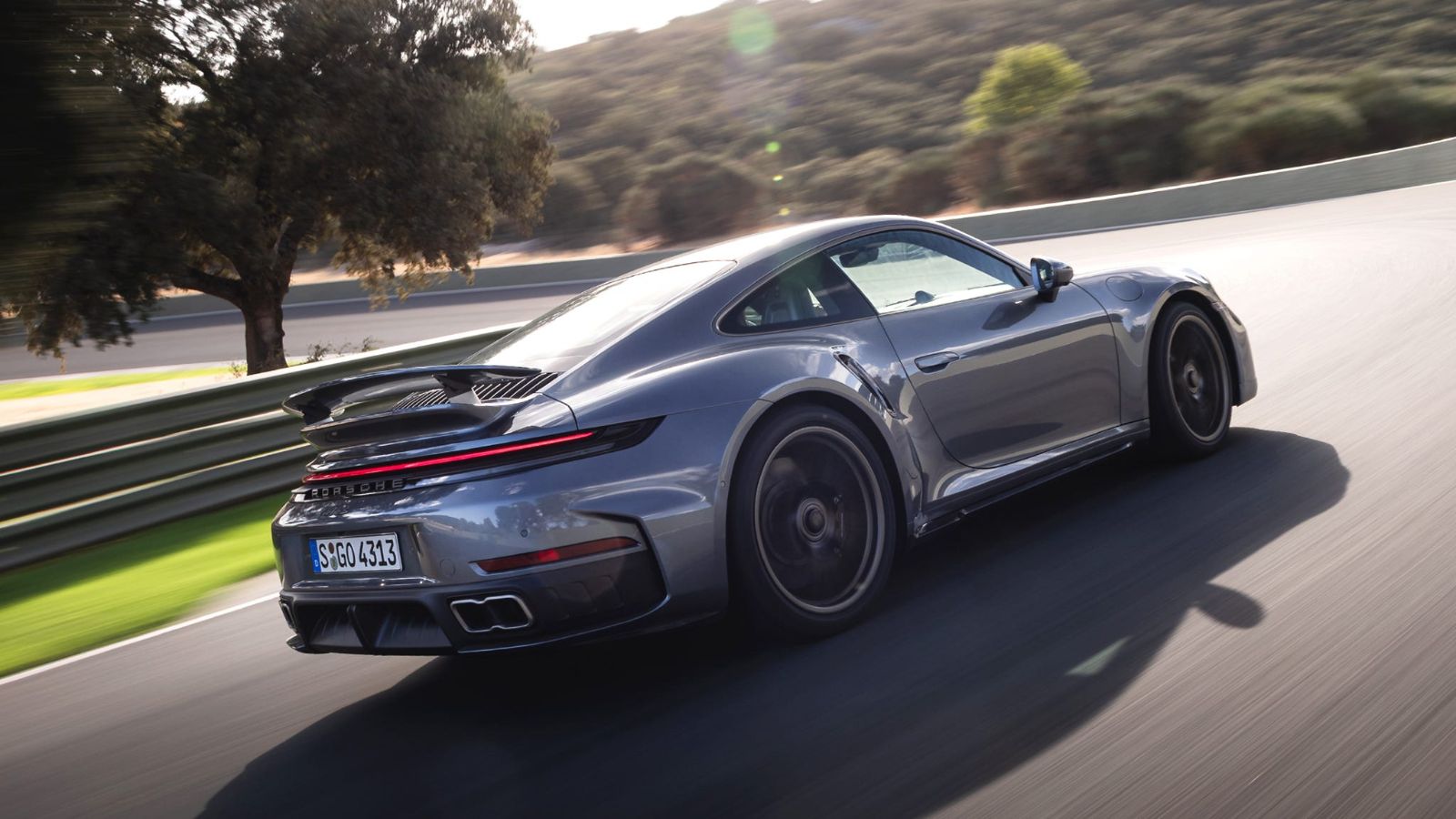
8th-generation LCI 992.2 (2024–present, current). The 911's first hybrid — T-Hybrid. The GTS combines a 1.9 kWh battery, an electric turbo, and an integrated motor in the PDK for 540 PS and 0–100 km/h in 3.0 seconds. The GT3, however, keeps its 4.0L NA flat-six at 510 PS — Porsche deliberately splitting the 911's two paths (everyday vs. track) into different futures even in the electrified era.
- Launch8.5-gen 992.2 — the 911's first hybrid (T-Hybrid)In the Carrera GTS: a 1.9 kWh battery, an electric turbo (eTC) and an integrated motor in the PDK — 540 PS, 0–100 in 3.0 seconds. The first hybrid production model in 911 history.Porsche Newsroom ↗
- Milestone992.2 GT3 — keeps the NA 4.0LIn the 992.2, the GT3 retains its 4.0L NA flat-six at 510 PS. Optional rear seats also return — the message of the last NA 911 in the electrified era.Porsche Newsroom ↗
Full Evolution
- Milestone901
901 데뷔 — 프랑크푸르트 IAA
356의 후속으로 페리 포르쉐의 아들 부치 포르쉐(F.A. Porsche)가 디자인한 901이 IAA에서 공개됐다. 후방 공냉 6기통 2.0L 130ps, 2+2 시팅, 패스트백 실루엣 — 911 정체성이 모두 여기서 시작됐다.
- Milestone901
901 debuts at Frankfurt IAA
Successor to the 356, designed by Ferry Porsche's son F.A. 'Butzi' Porsche. Unveiled at the IAA. Rear-mounted air-cooled flat-six 2.0L 130 PS, 2+2 seating, fastback silhouette — every element of the 911's identity began here.
- Launch901
양산 1호기 출고 — 슈투트가르트
슈투트가르트-주펜하우젠 공장에서 차대번호 300001 양산 1호기가 출고됐다. 첫 1년에 232대만 생산된 희귀 모델.
- Launch901
First production unit rolls out — Stuttgart
Production unit number 300001 left the Stuttgart-Zuffenhausen factory. Just 232 units were built in the first year — a rarity.
- Milestone901
911로 개명 — 푸조 상표권 충돌
판매 직후 푸조가 0을 가운데 둔 3자리 차명에 대한 권리를 주장, 901은 911로 개명됐다. 차대번호 300001 이후 차량 모두 911로 표기.
- Milestone901
Renamed 911 — Peugeot trademark clash
Shortly after sales began, Peugeot asserted rights to three-digit names with a zero in the middle, forcing Porsche to rename the 901 to 911. Every car after chassis 300001 wore the new name.
- Milestone901
카레라 RS 2.7 — ‘RS’ 계보의 시작
210ps, 1,075kg, 덕테일 스포일러로 그룹 4 호몰로게이션을 위해 1,580대 한정 생산. ‘RS(Rennsport)’ 정체성이 911에 처음 붙은 차이자 클래식 911 시장 최고가 모델.
- Milestone901
Carrera RS 2.7 — birth of the 'RS' line
210 PS, 1,075 kg, ducktail rear spoiler — built in 1,580 units to homologate Group 4 racing. The first 911 to wear 'RS' (Rennsport), and the most valuable classic 911 on today's collector market.
- Launch911-G
2세대 G-Series 출시 — 임팩트 범퍼 시대
미국 5mph 충돌 규제 대응으로 알루미늄 임팩트 범퍼가 도입돼 911 외형이 처음 크게 바뀌었다. 1989년까지 16년 198,496대 생산 — 911의 가장 긴 세대.
- Launch911-G
2nd-gen G-Series launches — the impact-bumper era
In response to U.S. 5 mph crash regulations, aluminium impact bumpers arrived — the 911's first major exterior change. Built until 1989, 198,496 units across 16 years — the longest-running 911 generation.
- Milestone911-G
911 터보(930) 파리 모터쇼 데뷔
3.0L KKK 터보차저 260ps, 0-100 5.5초. 911의 첫 과급 모델이자 ‘위도우메이커(Widowmaker)’ 전설의 시작. 1978년 3.3L 인터쿨러로 진화하며 표준이 됐다.
- Milestone911-G
911 Turbo (930) debuts at the Paris Motor Show
3.0L KKK turbocharger, 260 PS, 0–100 in 5.5 seconds. The 911's first forced-induction model and the start of the 'Widowmaker' legend. Evolved with a 3.3L intercooled engine in 1978, becoming the standard.
- Milestone911-G
911 SC 카브리올레 — 30년 만의 풀 오픈
1965년 타르가 이후 처음 등장한 풀 오픈 911. 911 SC 카브리올레로 라인업이 본격 확장됐다.
- Milestone911-G
911 SC Cabriolet — a fully open 911 after 30 years
The first fully open 911 since the 1965 Targa. The 911 SC Cabriolet expanded the lineup in earnest.
- F/L911-G
카레라 3.2 — G의 황금기
3.2L 231ps + Bosch Motronic 디지털 엔진 제어 첫 도입. 1989년까지 76,473대 생산되며 G-Series 시대의 표준이 됐다. 1989년 단종 직전 스피드스터로 마감.
- F/L911-G
Carrera 3.2 — the G-Series' golden age
3.2L 231 PS plus the first Bosch Motronic digital engine management. Built in 76,473 units through 1989, becoming the standard for the G-Series era. Production closed with the Speedster in 1989.
- Launch964
3세대 964 출시 — 부품 87% 교체
1988년 프랑크푸르트 모터쇼에서 카레라 4(첫 4WD)로 데뷔. 1990년 카레라 2 후륜 모델과 첫 자동변속기 Tiptronic 추가. 토션바를 코일 스프링으로 대체하며 911을 현대화한 분기점.
- Launch964
3rd-gen 964 launches — 87% new parts
Debuted at the 1988 Frankfurt Motor Show as the all-wheel-drive Carrera 4. The rear-wheel-drive Carrera 2 and the first automatic, Tiptronic, joined in 1990. Replacing torsion bars with coil springs was the watershed that modernised the 911.
- Milestone964
964 터보 — 마지막 클래식 단일 터보
930의 3.3L 엔진을 이어받은 320ps 모델. 1992년 3.6L 360ps로 업그레이드되며 단일 KKK 터보 시대의 정점.
- Milestone964
964 Turbo — the last classic single-turbo
Carried over the 930's 3.3L engine for 320 PS. Upgraded to a 3.6L 360 PS in 1992 — the apex of the single-KKK-turbo era.
- Milestone964
964 카레라 RS — 290ps, 무게 1,230kg
에어컨·파워윈도우·뒷좌석을 모두 들어낸 순수 드라이버스 카. 290ps + LSD + 알루미늄 휠. 오늘날 가장 가치가 높은 964.
- Milestone964
964 Carrera RS — 290 PS, 1,230 kg
A pure driver's car with the AC, power windows and rear seats deleted. 290 PS plus an LSD plus aluminium wheels. The most valuable 964 on today's market.
- Launch993
4세대 993 출시 — 마지막 공냉 911
1993년 IAA에서 데뷔. 60년대 트레일링 암 후륜 서스펜션을 멀티링크로 교체하며 핸들링이 새 차원에 진입. 마지막 공냉 엔진(M64) 세대로 기록됐다.
- Launch993
4th-gen 993 launches — the last air-cooled 911
Debuted at the 1993 IAA. Replaced the 1960s-era trailing-arm rear suspension with a multi-link setup, lifting handling to a new dimension. The last generation with the air-cooled M64 engine.
- Milestone993
993 터보 — 트윈터보·4WD 표준화
3.6L 트윈터보 408ps + 4WD 표준 적용. 911 터보의 ‘위도우메이커’ 시대가 끝나고 모두에게 안전한 슈퍼카가 됐다.
- Milestone993
993 Turbo — twin-turbo and AWD become standard
3.6L twin-turbo 408 PS plus standard AWD. The 911 Turbo's 'Widowmaker' era ended — the supercar became safe for everyone.
- Milestone993
993 터보 S — 450ps, 공냉의 정점
한정 345대. 공냉 911의 마지막 챕터를 가장 강한 한 대로 마감했다. 출고 직후부터 컬렉터블.
- Milestone993
993 Turbo S — 450 PS, the apex of air-cooling
Limited to 345 units. The closing chapter of the air-cooled 911, sealed at its strongest output. Collectible from the day it was delivered.
- Launch996
5세대 996 출시 — 첫 수냉 911
프랑크푸르트 모터쇼에서 데뷔. 환경 규제로 공냉 종말을 맞았고, 박스터(986)와 플랫폼·헤드램프를 공유해 ‘프라이드 에그’ 비판이 나왔지만 911을 살린 결정이었다.
- Launch996
5th-gen 996 launches — the first water-cooled 911
Debuted at the Frankfurt Motor Show. Emissions regulations ended the air-cooled era, and sharing a platform and headlamps with the Boxster (986) drew the 'fried-egg' criticism — but it was the call that saved the 911.
- Milestone996
996 GT3 — ‘GT3’ 계보의 시작
Mezger 엔진(996 GT1 기반) 3.6L 360ps. 911 라인업에서 자연흡기·트랙 지향 GT3가 처음 분리된 세대.
- Milestone996
996 GT3 — the start of the 'GT3' line
Mezger engine (derived from the 996 GT1), 3.6L 360 PS. The first generation in which the naturally aspirated, track-focused GT3 was split out from the rest of the 911 lineup.
- Recall996
M96 IMS 베어링·실린더 라이너 결함
중간축 베어링과 D-chunk 실린더 라이너 결함이 보고되며 996의 평판이 멍들었다. 이후 996.2(2002 페이스리프트)에서 일부 개선.
- Recall996
M96 IMS bearing and cylinder-liner defects surface
Failures of the intermediate-shaft bearing and 'D-chunk' cylinder liners came to light, bruising the 996's reputation. Partially addressed in the 996.2 facelift in 2002.
- Milestone996
996 GT3 RS·GT2 — 996의 명예 회복
996 GT3 RS 381ps + 카본 리어 윙, GT2 462ps + 후륜구동 트윈터보. 트랙 지향 모델이 996의 디자인 비판을 만회시켰다.
- Milestone996
996 GT3 RS / GT2 — restoring the 996's reputation
996 GT3 RS — 381 PS plus a carbon rear wing. GT2 — 462 PS, rear-wheel drive, twin-turbo. The track-focused models that finally redeemed the 996's much-criticised design.
- Launch997
6세대 997 출시 — 디자인이 911로 돌아왔다
둥근 헤드램프, 부풀어 오른 펜더로 클래식 911 비례 복원. 996의 디자인 비판을 봉합한 세대.
- Launch997
6th-gen 997 launches — the design returns to the 911
Round headlamps and swollen rear haunches restored the classic 911 proportions. The generation that closed off the 996 design backlash.
- F/L997
997 Gen2 — DFI·PDK 도입
직접분사 DFI 엔진과 PDK 7단 듀얼클러치 변속기 도입. Tiptronic을 대체한 PDK가 포르쉐 자동변속 시대를 본격적으로 열었다.
- F/L997
997 Gen2 — DFI and PDK arrive
Direct-injection DFI engines and the PDK 7-speed dual-clutch arrived. Replacing Tiptronic, the PDK properly opened Porsche's automatic-transmission era.
- Milestone997
GT3 RS 4.0 — 자연흡기 911의 마지막 정점
4.0L 자연흡기 500ps, 600대 한정. 자연흡기 GT3의 정점이자 가치가 출고가의 3배 이상으로 오른 컬렉터블.
- Milestone997
GT3 RS 4.0 — the final peak of the naturally aspirated 911
4.0L NA 500 PS, 600 units. The apex of the naturally aspirated GT3, with collector values now well over 3× original list price.
- Launch991
7세대 991 프랑크푸르트 IAA 데뷔
첫 알루미늄·강철 하이브리드 모노코크. 휠베이스 +100mm, 무게 -45kg. 전동식 스티어링 도입으로 ‘911이 변했다’는 비판이 일었다.
- Launch991
7th-gen 991 debuts at Frankfurt IAA
First aluminium-and-steel hybrid monocoque. Wheelbase +100 mm, weight –45 kg. The arrival of electric power steering drew loud complaints that 'the 911 has changed.'
- Milestone991
991 GT3 — PDK·후륜 조향 첫 도입
GT3에 PDK가 처음 들어가 매뉴얼 GT3 단종 논란이 일었다. 후륜 조향(RAS)으로 코너 민첩성이 한 단계 올라갔다.
- Milestone991
991 GT3 — first PDK and rear-axle steering
PDK in a GT3 for the first time, sparking outcry over the discontinuation of the manual GT3. Rear-axle steering (RAS) lifted corner agility to another level.
- F/L991
991.2 — 모든 카레라가 터보가 됐다
프랑크푸르트 모터쇼에서 LCI 공개. 3.0L 트윈터보가 카레라·카레라 S 모두에 표준 탑재되며 자연흡기는 GT3·R 전용으로 분리됐다.
- F/L991
991.2 — every Carrera went turbo
LCI revealed at the Frankfurt Motor Show. 3.0L twin-turbos went standard across the Carrera and Carrera S — naturally aspirated 911s were now confined to the GT3 and R.
- Milestone991-FL
911 R(991) — 자연흡기·매뉴얼의 부활
제네바 모터쇼 공개, 991대 한정. 자연흡기 4.0L 500ps + 6단 매뉴얼 + 윙 없는 보디. 출고가의 3배 이상으로 가격이 즉시 뛰며 ‘투기’ 논란을 일으킨 차.
- Milestone991-FL
911 R (991) — naturally aspirated and manual return
Geneva Motor Show debut, 991 units. NA 4.0L 500 PS plus a six-speed manual plus a wingless body. Values jumped to over 3× list price the moment cars were delivered, igniting the 'speculation' debate.
- Milestone991-FL
GT3 Touring — 매뉴얼·날개 없는 GT3
프랑크푸르트 모터쇼에서 공개. 윙 없는 트렁크와 6단 매뉴얼만으로 구성된 GT3. ‘드라이버스 카’ 정체성을 가장 순수하게 표현했다.
- Milestone991-FL
GT3 Touring — manual, no wing
Frankfurt Motor Show reveal. A wingless trunk and a six-speed manual only — the most distilled expression of the 'driver's car' identity.
- Launch992
8세대 992 LA 오토쇼 데뷔
Los Angeles Auto Show에서 글로벌 공개. 카레라부터 GT3까지 모두 와이드보디로 통일. 8단 PDK 표준화, 어댑티브 서스펜션·후륜 조향 옵션 확대.
- Launch992
8th-gen 992 debuts at LA Auto Show
Global reveal at the Los Angeles Auto Show. From Carrera to GT3, every variant unified onto the wide-body shell. Standard 8-speed PDK, expanded availability of adaptive suspension and rear-axle steering.
- Milestone992
992 GT3 — 전륜 더블 위시본 푸시로드
전륜에 레이스카 기반 더블 위시본 푸시로드 서스펜션 첫 적용. 4.0L 자연흡기 510ps, 9,000rpm 레드라인 + 6단 매뉴얼 옵션.
- Milestone992
992 GT3 — front double-wishbone pushrod suspension
First-ever production application of race-derived double-wishbone pushrod suspension at the front axle. 4.0L NA 510 PS, 9,000 rpm redline, six-speed manual optional.
- Milestone992
992 GT3 RS — 액티브 에어로의 본격 도입
525ps + DRS 작동 윙 + 트랙 모드별 댐퍼 조정. 뉘르부르크링 6:49.328으로 GT3 RS 역대 최단 기록.
- Milestone992
992 GT3 RS — full-on active aerodynamics
525 PS plus a DRS-style active wing plus track-mode-specific damper adjustment. A Nürburgring time of 6:49.328 — the fastest GT3 RS lap ever.
- Milestone992
911 S/T — 60주년 기념 매뉴얼 한정
1,963대 한정(데뷔 연도 헌정). GT3 자연흡기 4.0L 525ps + 6단 매뉴얼 + GT3 Touring 보디. 992.1 자연흡기 매뉴얼의 마지막 챕터.
- Milestone992
911 S/T — a 60th-anniversary manual special
Limited to 1,963 units (a tribute to the 911's debut year). The GT3's 4.0L NA 525 PS plus six-speed manual plus the GT3 Touring body. The closing chapter of the 992.1 NA-manual line.
- Launch992-FL
8.5-gen 992.2 — the 911's first hybrid (T-Hybrid)
In the Carrera GTS: a 1.9 kWh battery, an electric turbo (eTC) and an integrated motor in the PDK — 540 PS, 0–100 in 3.0 seconds. The first hybrid production model in 911 history.
- Milestone992-FL
992.2 GT3 — keeps the NA 4.0L
In the 992.2, the GT3 retains its 4.0L NA flat-six at 510 PS. Optional rear seats also return — the message of the last NA 911 in the electrified era.
Other Heritage
Explore other model histories in this category.