Golf
The car that invented the hot hatch
The car Volkswagen released in 1974 as the Beetle's successor. In 1976, the first-generation GTI (110 hp) invented a category called the "hot hatch". Giorgetto Giugiaro's straight-edged design and the simple math of 110 hp / 810 kg set the standard for fifty years of hot hatches.
TDI and VR6 — the two paths of the 1990s
The Mk3 (1991) introduced the 1.9 TDI direct-injection diesel for the first time, and the 2.8L narrow-angle VR6 made the idea of a V6 in a small hatch a reality. The Mk3 GTI was criticized as the model's "dark age", but diesel and the VR6 forged the Golf's new identity.
The R32 with 4MOTION, the R on MQB
The Mk4 R32 (2002) first paired the Golf with all-wheel drive and a 240 hp naturally aspirated V6. The Mk7 (2012) moved to the modular MQB platform — GTI at 220 hp, R at 300 hp — the peak of hot-hatch power inflation. An era when hot hatches threatened supercars.
Fifty years of the Golf in Korea
Korea's Golf story began with Hyosung's import of the Mk3 in 1996, then accelerated with the launch of Audi Volkswagen Korea in 2005. Following the 2013 launch of the Mk7, the Golf became the de facto standard of the Korean hot-hatch market. With the Mk8 in 2025, eight generations across 51 years — Volkswagen's true masterpiece since the Beetle.
The car that invented the hot hatch. The car Volkswagen released in 1974 as the Beetle's successor. In 1976, the first-generation GTI (110 hp) invented a category called the "hot hatch". Giorgetto Giugiaro's straight-edged design and the simple math of 110 hp / 810 kg set the standard for fifty years of hot hatches. TDI and VR6 — the two paths of the 1990s. The Mk3 (1991) introduced the 1.9 TDI direct-injection diesel for the first time, and the 2.8L narrow-angle VR6 made the idea of a V6 in a small hatch a reality. The Mk3 GTI was criticized as the model's "dark age", but diesel and the VR6 forged the Golf's new identity. The R32 with 4MOTION, the R on MQB. The Mk4 R32 (2002) first paired the Golf with all-wheel drive and a 240 hp naturally aspirated V6. The Mk7 (2012) moved to the modular MQB platform — GTI at 220 hp, R at 300 hp — the peak of hot-hatch power inflation. An era when hot hatches threatened supercars. Fifty years of the Golf in Korea. Korea's Golf story began with Hyosung's import of the Mk3 in 1996, then accelerated with the launch of Audi Volkswagen Korea in 2005. Following the 2013 launch of the Mk7, the Golf became the de facto standard of the Korean hot-hatch market. With the Mk8 in 2025, eight generations across 51 years — Volkswagen's true masterpiece since the Beetle.
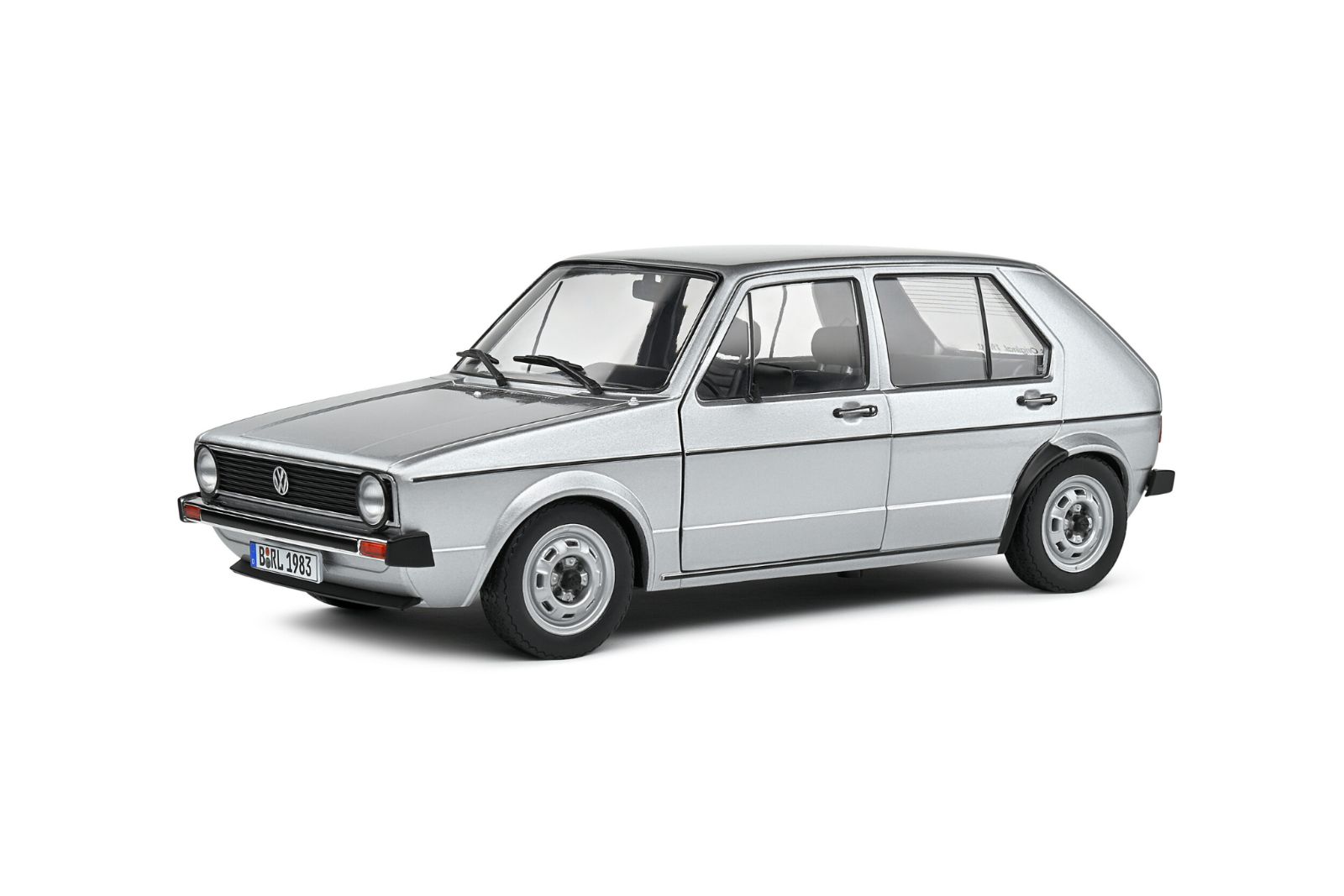
Golf
1st generation (Type 17). Successor to the Beetle and the first Golf. Giorgetto Giugiaro's straight-edged hatch design carried Volkswagen across from rear-wheel-drive Beetle to front-wheel-drive Golf. The 1976 1.6L GTI 110 PS invented both 'Golf GTI' and the 'hot hatch' category outright.
- Launch1st-gen Mk1 global launchSuccessor to the Beetle. Giorgetto Giugiaro's straight-edged hatch design, front-wheel drive, 1.5L 70 PS at launch — soon joined by 1.6 / 1.8 options. Sold in the U.S. and Canada under the 'Rabbit' name.Wikipedia ↗
- MilestoneMk1 GTI debuts — the invention of the hot hatchLaunched June 1976. 1.6L K-Jetronic fuel-injected 110 PS plus a featherweight 810 kg body = 0–100 km/h in 9.0 seconds. The model that invented both 'GTI' and the entire 'hot hatch' category.Wikipedia ↗
- MilestoneMk1 diesel introduced1.5L naturally aspirated diesel, 50 PS. The starting point for a diesel Golf running alongside the hot hatch — and the root of fifty years of Golf diesel.Wikipedia ↗
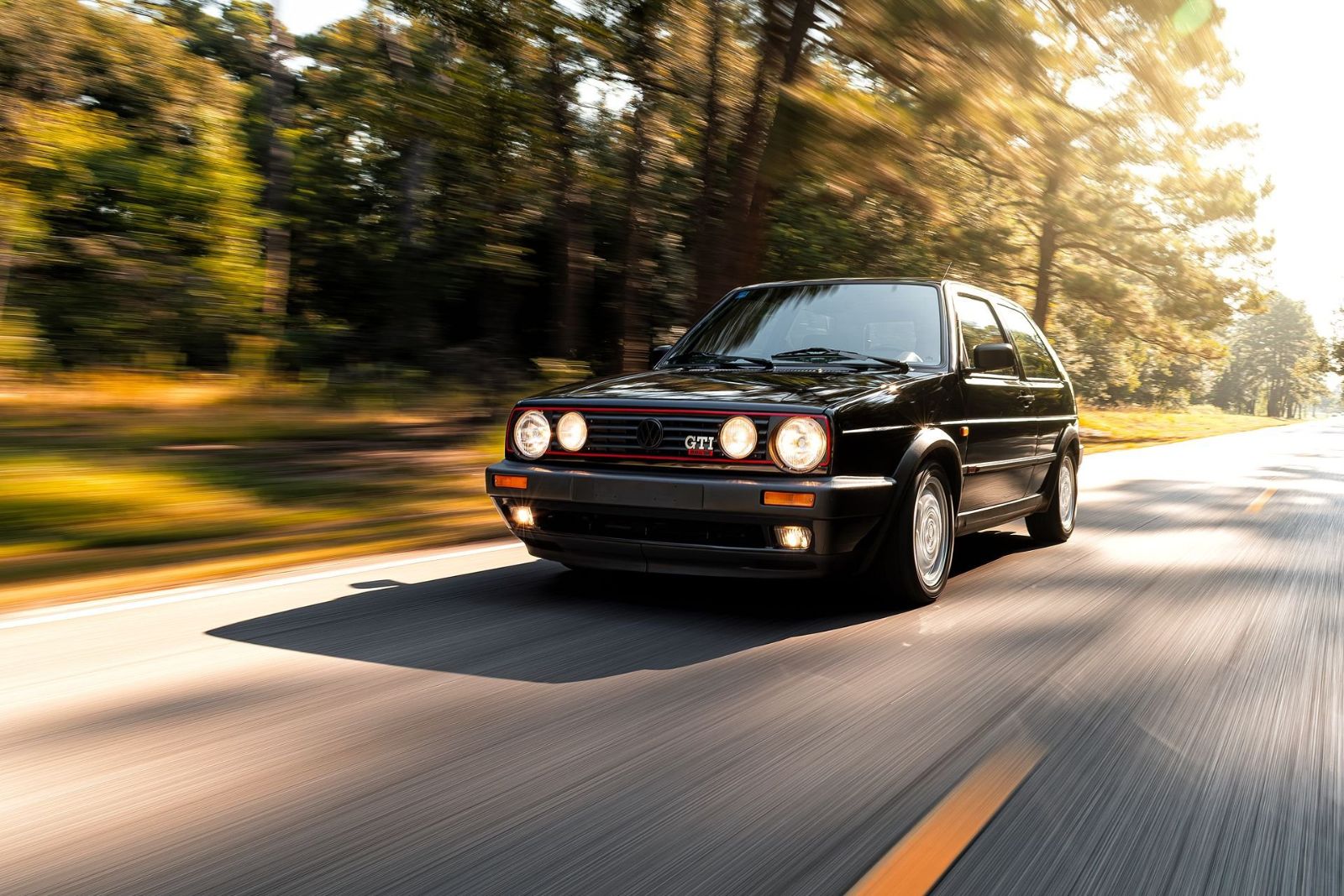
Golf
2nd generation (Type 19E). A grown-up shell with a 16-valve head (139 PS) and the G60 supercharger (160 PS) pushed the GTI into proper sports-car territory. The 4WD Syncro arrived too — the moment the hot-hatch territory officially expanded.
- Launch2nd-gen Mk2 global launchLaunched August 1983. The Mk1's straight-line proportions carried over with a +75 mm body. The headline acts: the 18 sb 8v GTI 112 PS, with the 16V and G60 to follow. The generation that pushed the hot hatch into proper sports-car territory.Wikipedia ↗
- MilestoneMk2 GTI 16V debuts1.8L 16-valve head, 139 PS / 16.8 kgf·m. +27 PS over the 8-valve. The opening shot of the hot-hatch power war.Wikipedia ↗
- MilestoneMk2 G60 — 160 PS via superchargerA G-Lader scroll supercharger pushed the 1.8L to 160 PS / 22.9 kgf·m. Combined with the 1985 Syncro 4WD, the Rallye G60 (160 PS + 4WD) launched as a homologation special.Wikipedia ↗
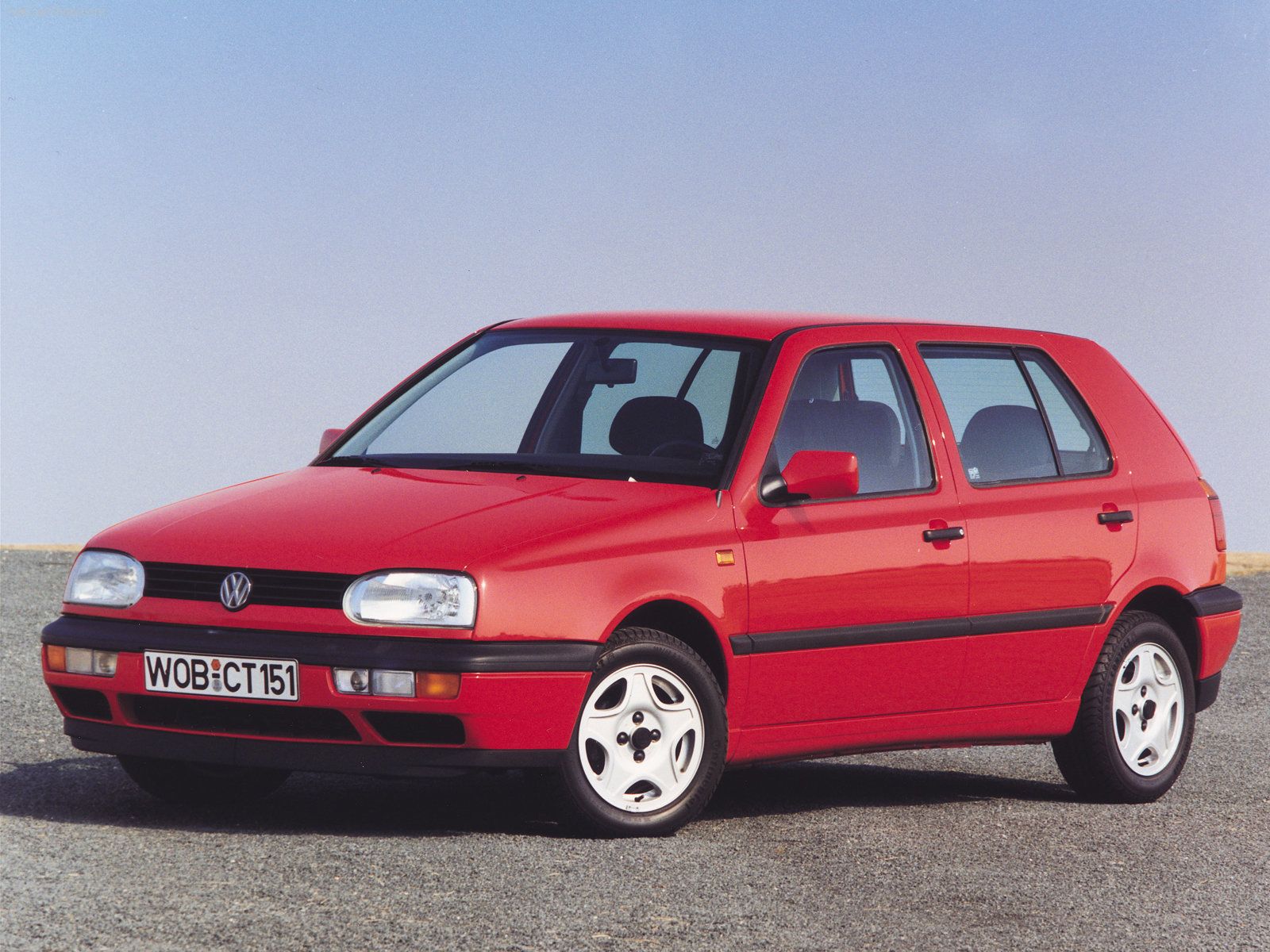
Golf
3rd generation (Type 1H). The Golf's first 1.9 TDI diesel and the narrow-angle 2.8L VR6 debuted here. The GTI stalled at 152 PS and the era is widely remembered as the 'dark age,' but TDI and VR6 wrote a new identity for the Golf. 1992 European Car of the Year. Hyosung Group brought the first officially imported Golf to Korea in 1996.
- Launch3rd-gen Mk3 global launchAugust 1991. Design shifted to softer, curved proportions. The Golf's first V6 (the 2.8 VR6 174 PS) and the 1.9 TDI diesel debuted in this generation. The GTI stalled at 16V 152 PS and the era is widely remembered as the 'dark age.'Wikipedia ↗
- Award1992 European Car of the YearVolkswagen's first ECOTY win. Top of the safety/practicality/quality consolidated rankings.Wikipedia ↗
- MilestoneMk3 1.9 TDI — the dawn of direct-injection dieselThe 1.9 TDI (90 PS), built on a 1.9L SDI base with pump-injector direct injection. The genuine starting point for mass-market diesel direct injection — and the root of Volkswagen's diesel identity ever since.Wikipedia ↗
- MilestoneFirst official Korea imports — Hyosung GroupDuring Hyosung Group's tenure as Volkswagen's Korean importer. The Mk3 was the first officially imported Golf in Korea. The opening chapter of Korean Golf history — until the IMF crisis paused it.Wikipedia ↗
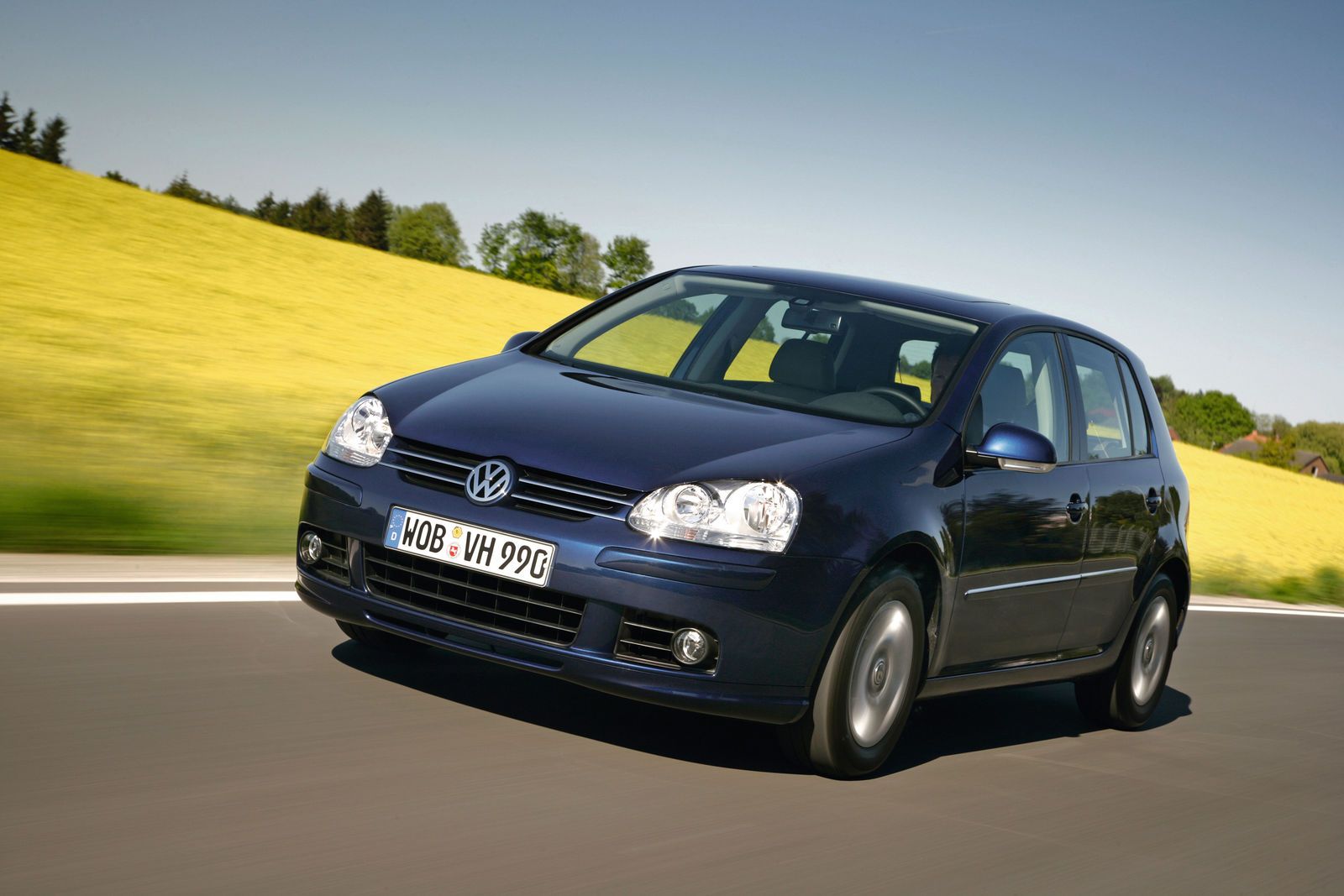
Golf
5th generation (Type 1K). The 2.0 TFSI GTI (200 PS) opened the direct-injection turbo era; the 250 PS R32 was the last VR6 Golf. The first Golf officially imported into Korea — alongside the launch of Audi Volkswagen Korea in 2005, the genuine starting point of Korean Golf heritage.
- Launch5th-gen Mk5 global launchFrankfurt Motor Show debut, 2003. First-ever multi-link rear suspension, 2.0 TFSI GTI 200 PS plus 6-speed DSG that opened the direct-injection turbo era. Body stiffness +35%.Wikipedia ↗
- MilestoneAudi Volkswagen Korea launches + Mk5 official Korea importsAudi Volkswagen Korea was officially incorporated April 2005. The Mk5 was the first Golf imported into Korea 'within the same global cycle' — the genuine starting point of Korean Golf heritage.Audi Korea ↗
- MilestoneMk5 R32 — the last VR6 Golf3.2L VR6, 250 PS. The last generation to wear the R32 name. From the next generation onward the badge shortens to 'R' and the engine switches to an inline-four turbo.Wikipedia ↗
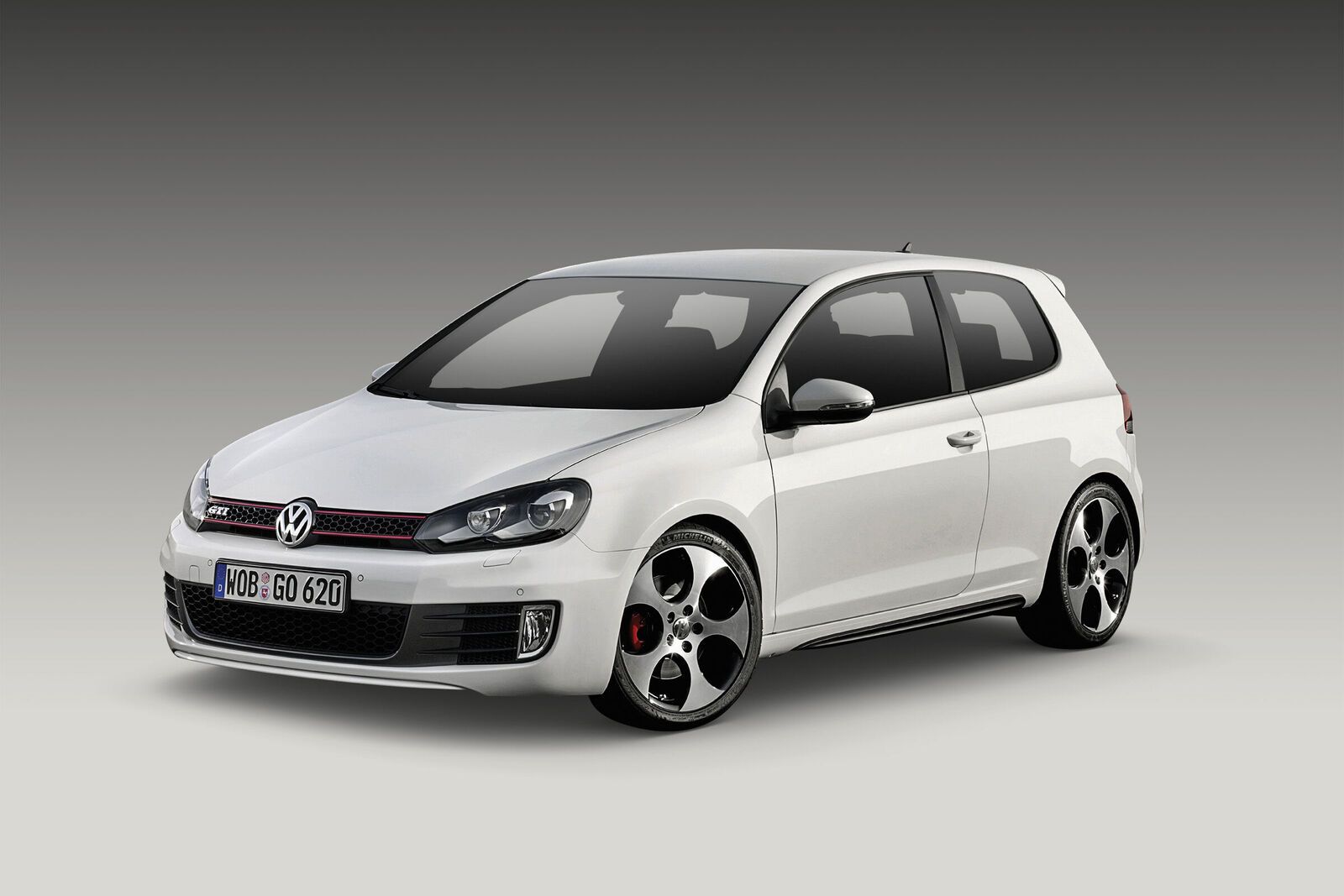
Golf
6th generation (Type 5K). An evolution of Mk5 with refreshed design. GTI 210 PS, R 270 PS, and the 1.4 TSI supercharger-plus-turbo combo. Official Korean sales began September 2009 — the first full-generation Golf launched after Volkswagen Korea was established.
- Launch6th-gen Mk6 global launchParis Motor Show debut, October 2008. An evolution of the Mk5 platform and the first Golf under designer Walter de Silva. 2012 IIHS Top Safety Pick.Wikipedia ↗
- LaunchMk6 official Korea sales beginSales formally began September 21 2009. The first full-generation Golf launched after Volkswagen Korea was established — the moment the Golf properly settled into the Korean market.Volkswagen Korea ↗
- MilestoneMk6 Golf R debuts — an inline-four turbo R2.0 TSI 270 PS plus 4MOTION. The R32's successor — but switched to an inline-four turbo, with the '32' dropped from the badge. The start of a downsizing-era R.Wikipedia ↗
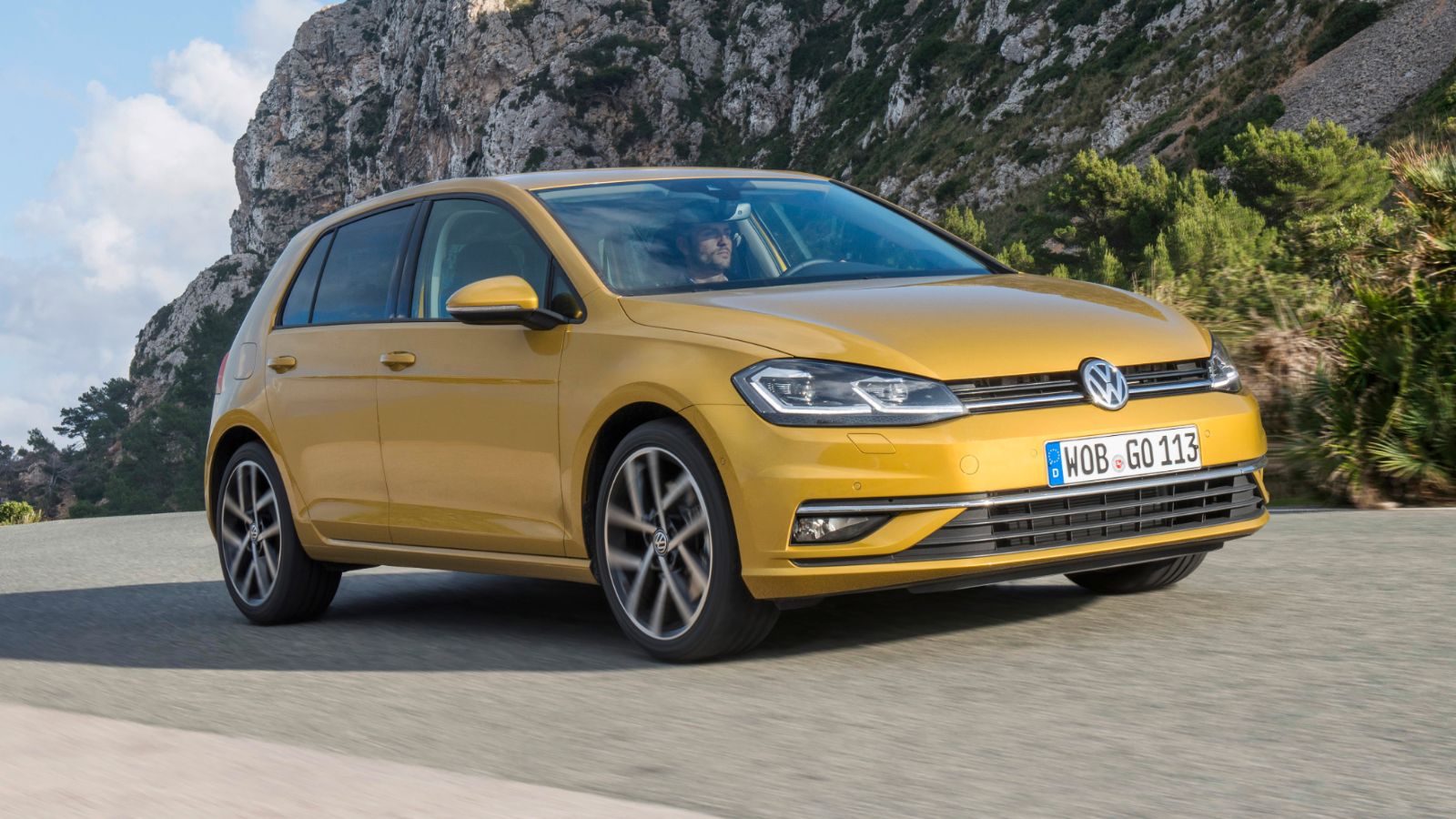
Golf
7th generation (Type 5G). Switched to the MQB modular platform. Hot-hatch output inflation peaked here with the 220 PS GTI and 300 PS R. Won 2013 World Car of the Year and European Car of the Year simultaneously. Imported into Korea from July 2013 — the generation that survived Dieselgate's direct hit.
- Launch7th-gen Mk7 global launchBerlin debut, 4 September 2012. One of the first cars on the MQB modular platform (shared with the Audi A3 / SEAT Leon / Skoda Octavia). Body weight –100 kg with improved structural stiffness.Wikipedia ↗
- AwardWorld Car of the Year + European Car of the Year double win2013 World Car of the Year, European Car of the Year and Motor Trend Car of the Year — a triple crown. Widely regarded as the most acclaimed Golf generation in history.Wikipedia ↗
- LaunchMk7 official Korea launchOfficially imported July 2013. Launched with the 1.6 TDI 105 PS and 2.0 TDI 150 PS diesel lineup — the golden era of diesel Golf in Korea before Dieselgate.Volkswagen Korea ↗
- RecallDieselgate — Korean market takes a direct hit18 September 2015 — the U.S. EPA's announcement of Volkswagen's diesel NOx defeat-device scandal. Korean Golf TDI certifications were revoked, halting the diesel lineup. Effectively the end of the diesel Golf era in Korea.EPA Official ↗
- F/LMk7 facelift (Mk7.5)November 2016 debut. Larger infotainment screen (8 → 9.2 inches), optional Active Info Display digital cluster and new headlamps. GTI output rose from 220 to 230 PS.Wikipedia ↗
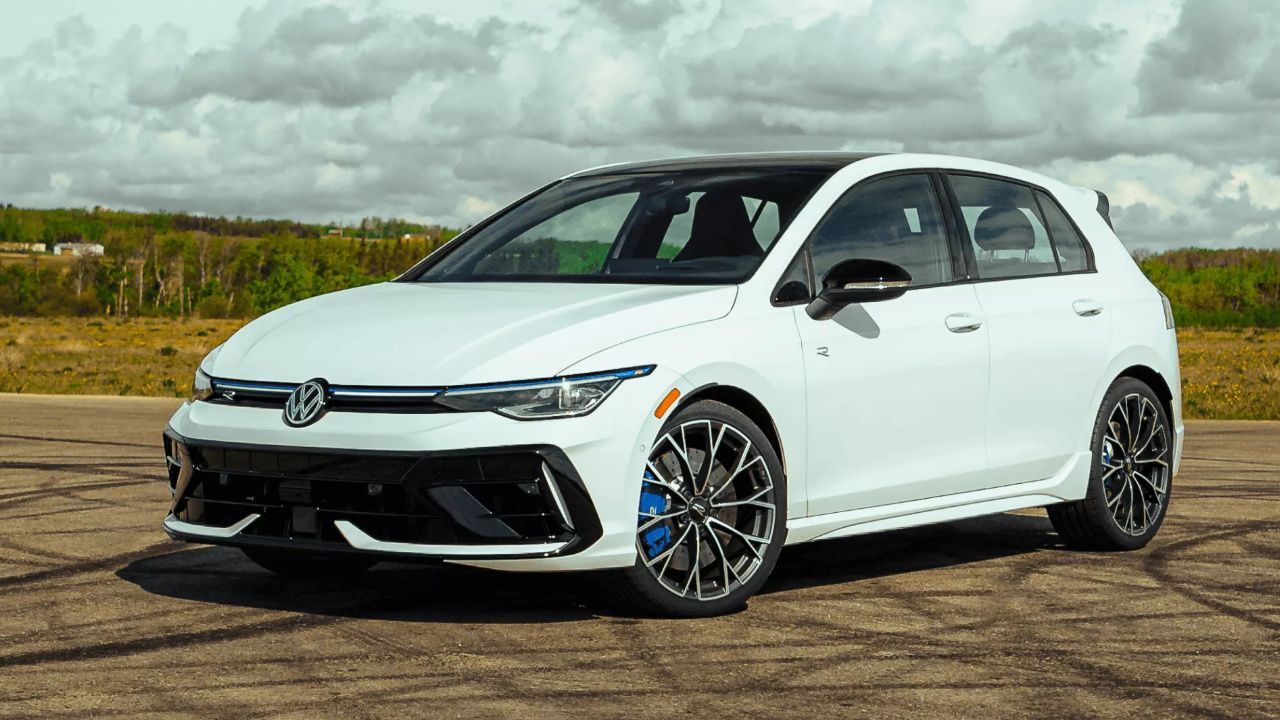
Golf
8th generation (2019–present, current, CD1). Wolfsburg debut October 2019. MQB Evo with 48V eTSI mild-hybrid. Almost every physical button was replaced by capacitive-touch surfaces and the IDA voice assistant — the 'digital cockpit Golf.' The January 2024 facelift (Mk8.5) integrated ChatGPT into IDA and brought a 12.9-inch floating display. GTI 245 PS, R 320 PS plus a torque-vectoring rear differential and Drift Mode. Korea's first post-Dieselgate diesel Golf line lands officially in 2025.
- Launch8th-gen Mk8 global launchWolfsburg debut, 24 October 2019. MQB Evo platform, fully digital cockpit and IDA voice recognition. Mild-hybrid (eTSI) added to the lineup.Wikipedia ↗
- LaunchMk8 GTI / GTE debut2020 Geneva Motor Show digital reveal (the physical event was cancelled due to COVID). The GTI ran the EA888 evo4 at 245 PS; the GTE was a PHEV at 245 PS with a 13 kWh battery. The first Vehicle Dynamics Manager arrived, integrating torque distribution and chassis control.Wikipedia ↗
- LaunchMk8 Golf R debutsGlobal reveal 4 November 2020. 2.0 TSI EA888 evo4, 320 PS plus 4MOTION plus a new torque-vectoring rear differential that splits torque between the rear wheels. Standard 'Drift Mode' — the first Golf R explicitly engineered to allow oversteer on demand.Wikipedia ↗
- F/LMk8.5 facelift — ChatGPT integrated into IDAFacelift unveiled 24 January 2024. A standard 12.9-inch floating touchscreen, with OpenAI's ChatGPT integrated into the IDA voice assistant — the first production OEM LLM voice integration. R output rose from 320 to 333 PS. In response to digital-cockpit criticism, some shortcut keys and physical buttons were restored.Wikipedia ↗
- LaunchMk8 official Korea launchKorean introduction in 2025. 2.0 TDI 150 PS plus 7-speed DSG, the GTI's successor lineup. Volkswagen's genuine flagship since the Beetle takes its place in Korea fifty years on.Volkswagen Korea ↗
Full Evolution
- Launch1
1st-gen Mk1 global launch
Successor to the Beetle. Giorgetto Giugiaro's straight-edged hatch design, front-wheel drive, 1.5L 70 PS at launch — soon joined by 1.6 / 1.8 options. Sold in the U.S. and Canada under the 'Rabbit' name.
- Milestone1
Mk1 GTI debuts — the invention of the hot hatch
Launched June 1976. 1.6L K-Jetronic fuel-injected 110 PS plus a featherweight 810 kg body = 0–100 km/h in 9.0 seconds. The model that invented both 'GTI' and the entire 'hot hatch' category.
- Milestone1
Mk1 diesel introduced
1.5L naturally aspirated diesel, 50 PS. The starting point for a diesel Golf running alongside the hot hatch — and the root of fifty years of Golf diesel.
- Launch2
2nd-gen Mk2 global launch
Launched August 1983. The Mk1's straight-line proportions carried over with a +75 mm body. The headline acts: the 18 sb 8v GTI 112 PS, with the 16V and G60 to follow. The generation that pushed the hot hatch into proper sports-car territory.
- Milestone2
Mk2 GTI 16V debuts
1.8L 16-valve head, 139 PS / 16.8 kgf·m. +27 PS over the 8-valve. The opening shot of the hot-hatch power war.
- Milestone2
Mk2 G60 — 160 PS via supercharger
A G-Lader scroll supercharger pushed the 1.8L to 160 PS / 22.9 kgf·m. Combined with the 1985 Syncro 4WD, the Rallye G60 (160 PS + 4WD) launched as a homologation special.
- Launch3
3rd-gen Mk3 global launch
August 1991. Design shifted to softer, curved proportions. The Golf's first V6 (the 2.8 VR6 174 PS) and the 1.9 TDI diesel debuted in this generation. The GTI stalled at 16V 152 PS and the era is widely remembered as the 'dark age.'
- Award3
1992 European Car of the Year
Volkswagen's first ECOTY win. Top of the safety/practicality/quality consolidated rankings.
- Milestone3
Mk3 1.9 TDI — the dawn of direct-injection diesel
The 1.9 TDI (90 PS), built on a 1.9L SDI base with pump-injector direct injection. The genuine starting point for mass-market diesel direct injection — and the root of Volkswagen's diesel identity ever since.
- Milestone3
First official Korea imports — Hyosung Group
During Hyosung Group's tenure as Volkswagen's Korean importer. The Mk3 was the first officially imported Golf in Korea. The opening chapter of Korean Golf history — until the IMF crisis paused it.
- Launch
4th-gen Mk4 global launch
A clear step up in interior quality — the Golf's 'coming of age.' The 1.8T turbo (179 PS) and the 2.8 VR6 24V (204 PS) headlined. Korean official imports were halted during the IMF crisis.
- Milestone
R32 debuts — V6 241 PS plus AWD in a Golf
3.2L VR6 241 PS plus a 6-speed DSG plus Haldex 4MOTION. 0–100 km/h in 6.4 seconds. The starting point of the Golf R line — and the world's first production application of a dual-clutch gearbox (DSG).
- Launch5
5th-gen Mk5 global launch
Frankfurt Motor Show debut, 2003. First-ever multi-link rear suspension, 2.0 TFSI GTI 200 PS plus 6-speed DSG that opened the direct-injection turbo era. Body stiffness +35%.
- Milestone5
Audi Volkswagen Korea launches + Mk5 official Korea imports
Audi Volkswagen Korea was officially incorporated April 2005. The Mk5 was the first Golf imported into Korea 'within the same global cycle' — the genuine starting point of Korean Golf heritage.
- Milestone5
Mk5 R32 — the last VR6 Golf
3.2L VR6, 250 PS. The last generation to wear the R32 name. From the next generation onward the badge shortens to 'R' and the engine switches to an inline-four turbo.
- Launch6
6th-gen Mk6 global launch
Paris Motor Show debut, October 2008. An evolution of the Mk5 platform and the first Golf under designer Walter de Silva. 2012 IIHS Top Safety Pick.
- Launch6
Mk6 official Korea sales begin
Sales formally began September 21 2009. The first full-generation Golf launched after Volkswagen Korea was established — the moment the Golf properly settled into the Korean market.
- Milestone6
Mk6 Golf R debuts — an inline-four turbo R
2.0 TSI 270 PS plus 4MOTION. The R32's successor — but switched to an inline-four turbo, with the '32' dropped from the badge. The start of a downsizing-era R.
- Launch7
7th-gen Mk7 global launch
Berlin debut, 4 September 2012. One of the first cars on the MQB modular platform (shared with the Audi A3 / SEAT Leon / Skoda Octavia). Body weight –100 kg with improved structural stiffness.
- Award7
World Car of the Year + European Car of the Year double win
2013 World Car of the Year, European Car of the Year and Motor Trend Car of the Year — a triple crown. Widely regarded as the most acclaimed Golf generation in history.
- Launch7
Mk7 official Korea launch
Officially imported July 2013. Launched with the 1.6 TDI 105 PS and 2.0 TDI 150 PS diesel lineup — the golden era of diesel Golf in Korea before Dieselgate.
- Recall7
Dieselgate — Korean market takes a direct hit
18 September 2015 — the U.S. EPA's announcement of Volkswagen's diesel NOx defeat-device scandal. Korean Golf TDI certifications were revoked, halting the diesel lineup. Effectively the end of the diesel Golf era in Korea.
- F/L7
Mk7 facelift (Mk7.5)
November 2016 debut. Larger infotainment screen (8 → 9.2 inches), optional Active Info Display digital cluster and new headlamps. GTI output rose from 220 to 230 PS.
- Launch8
8th-gen Mk8 global launch
Wolfsburg debut, 24 October 2019. MQB Evo platform, fully digital cockpit and IDA voice recognition. Mild-hybrid (eTSI) added to the lineup.
- Launch8
Mk8 GTI / GTE debut
2020 Geneva Motor Show digital reveal (the physical event was cancelled due to COVID). The GTI ran the EA888 evo4 at 245 PS; the GTE was a PHEV at 245 PS with a 13 kWh battery. The first Vehicle Dynamics Manager arrived, integrating torque distribution and chassis control.
- Launch8
Mk8 Golf R debuts
Global reveal 4 November 2020. 2.0 TSI EA888 evo4, 320 PS plus 4MOTION plus a new torque-vectoring rear differential that splits torque between the rear wheels. Standard 'Drift Mode' — the first Golf R explicitly engineered to allow oversteer on demand.
- F/L8
Mk8.5 facelift — ChatGPT integrated into IDA
Facelift unveiled 24 January 2024. A standard 12.9-inch floating touchscreen, with OpenAI's ChatGPT integrated into the IDA voice assistant — the first production OEM LLM voice integration. R output rose from 320 to 333 PS. In response to digital-cockpit criticism, some shortcut keys and physical buttons were restored.
- Launch8
Mk8 official Korea launch
Korean introduction in 2025. 2.0 TDI 150 PS plus 7-speed DSG, the GTI's successor lineup. Volkswagen's genuine flagship since the Beetle takes its place in Korea fifty years on.
Other Heritage
Explore other model histories in this category.