3 Series
The blueprint for the rear-drive sport sedan
In 1975, the first-generation E21 set the template for the rear-drive D-segment sport sedan. Across 50 years and seven generations, the inline-six naturally aspirated engine and precise weight balance — BMW's identity — became the global benchmark.
The M legend, the golden age of the inline-six
The BMW M story began in 1986 with the debut of the E30 M3. The naturally aspirated inline-six, carried through the E36 and E46, defined the golden age of the rear-drive sport sedan. After landing in Korea in 1988, the 3 Series became the very definition of "Driving Machine".
Downsizing, and Korea's best-seller
In 2012, the F30 opened the era of four-cylinder turbo and diesel downsizing. The 320d became Korea's best-selling imported D-segment car. The 2015 LCI brought iDrive, LED, and even a plug-in hybrid — the first signals of digital and electrified eras to come.
On the eve of electrification — the last classical rear-drive 3
In 2019, the G20 launched on the CLAR platform and ushered in the digital cockpit era with its Live Cockpit. The 2022 LCI added a 12.3 + 14.9-inch curved display and broader mild-hybrid coverage, putting the car squarely on the path toward electrification. The i3 will soon take its place — but the G20 LCI will stand as the final generation of the petrol- and diesel-powered, classically rear-drive 3 Series.
The blueprint for the rear-drive sport sedan. In 1975, the first-generation E21 set the template for the rear-drive D-segment sport sedan. Across 50 years and seven generations, the inline-six naturally aspirated engine and precise weight balance — BMW's identity — became the global benchmark. The M legend, the golden age of the inline-six. The BMW M story began in 1986 with the debut of the E30 M3. The naturally aspirated inline-six, carried through the E36 and E46, defined the golden age of the rear-drive sport sedan. After landing in Korea in 1988, the 3 Series became the very definition of "Driving Machine". Downsizing, and Korea's best-seller. In 2012, the F30 opened the era of four-cylinder turbo and diesel downsizing. The 320d became Korea's best-selling imported D-segment car. The 2015 LCI brought iDrive, LED, and even a plug-in hybrid — the first signals of digital and electrified eras to come. On the eve of electrification — the last classical rear-drive 3. In 2019, the G20 launched on the CLAR platform and ushered in the digital cockpit era with its Live Cockpit. The 2022 LCI added a 12.3 + 14.9-inch curved display and broader mild-hybrid coverage, putting the car squarely on the path toward electrification. The i3 will soon take its place — but the G20 LCI will stand as the final generation of the petrol- and diesel-powered, classically rear-drive 3 Series.
3 Series
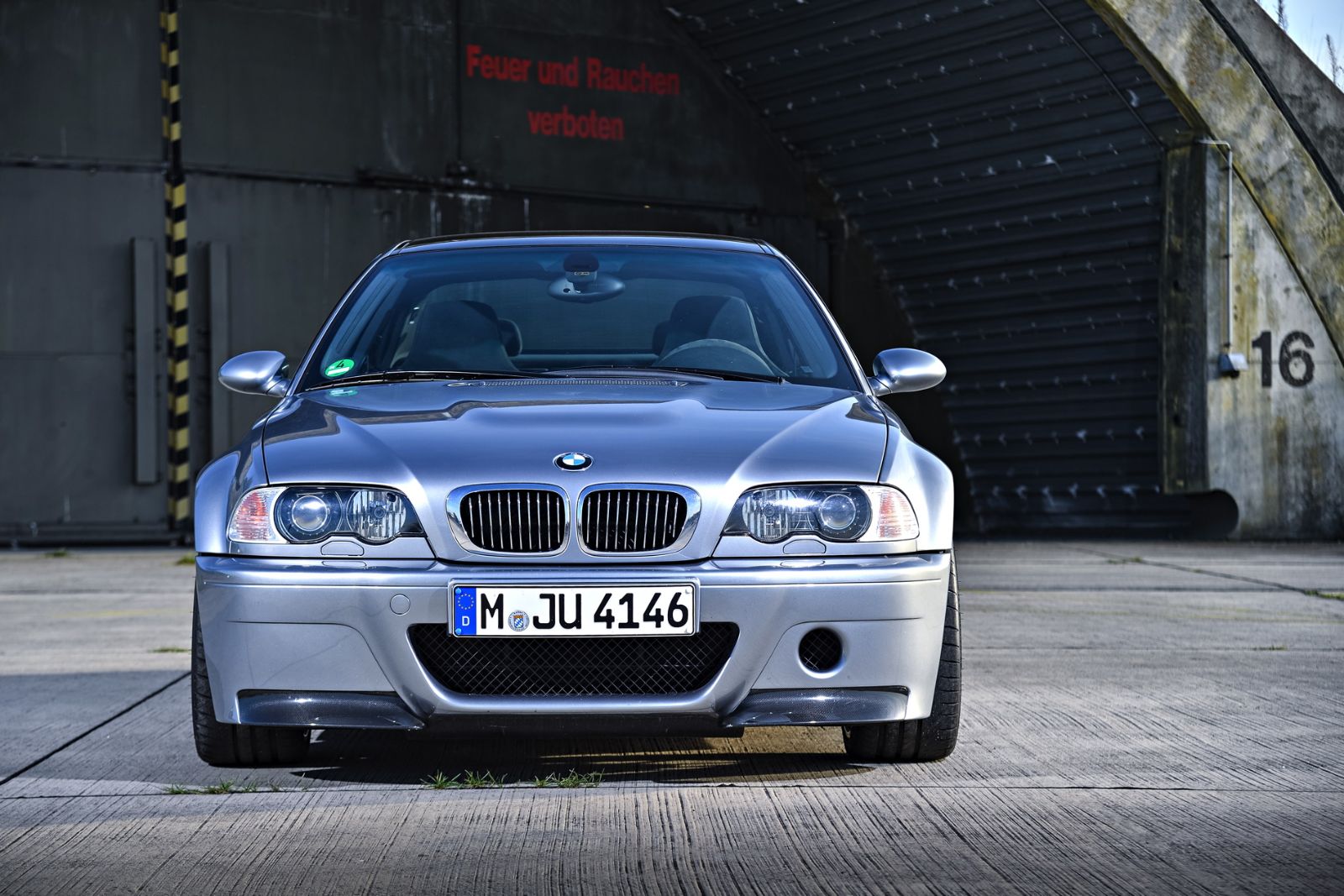
4th generation (1998–2005). The last classically proportioned 3 Series before Chris Bangle. The M3 E46 is widely regarded as the high-water mark of BMW's naturally aspirated inline-six era, with its 343 PS S54. Satellite navigation, ASC/DSC, EBD and LED tail lamps marked BMW's real digital turn — and arrived in Korea right after BMW Group Korea's launch (1995), the moment the 'Ultimate Driving Machine' definition landed locally.
- Launch4th-gen E46 global launchDesign evolved with a one-piece kidney-grille bonnet integration. Brought satellite navigation, Electronic Brake-Force Distribution (EBD), ASC/DSC, rain-sensing wipers, LED tail lamps and xenon headlamps into mainstream BMW use.BMW Group Official ↗
- LaunchE46 Coupe and Touring addedBody lineup expanded two years after sedan launch. The compact hatch was spun off into the next-generation 1 Series.BMW Group Official ↗
- F/LE46 faceliftRefreshed front and rear graphics; infotainment system upgraded.Namuwiki ↗
3 Series
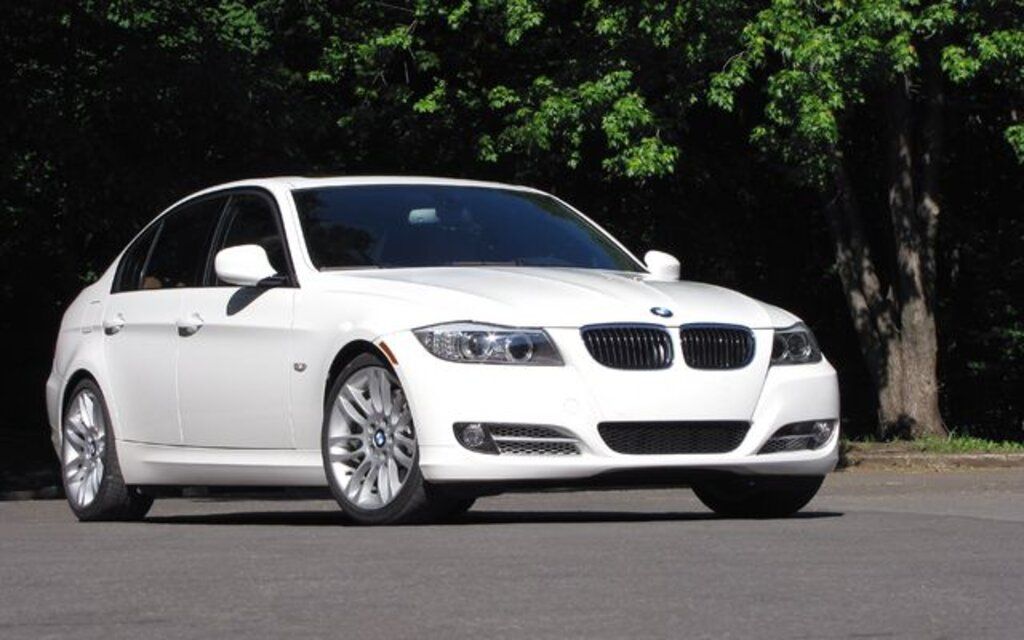
5th generation (2005–2012). Body grew into proper D-segment territory. The 320i moved from inline-six to four-cylinder, and the 320d diesel became the core model — the starting point of the 3 Series' run as Korea's best-selling imported D-segment car. The 2008 LCI introduced the direct-injected N54 twin-turbo six in the 335i, opening the 3 Series' first turbo-petrol chapter.
- Launch5th-gen E90 global launchBody grew into proper D-segment dimensions. The 320i moved from inline-six to four-cylinder, while the 320d diesel established itself as the lineup's core.BMW Group Official ↗
- F/LE90 facelift (LCI)Front and rear styling revisions. The direct-injected N54 twin-turbo six landed in the 335i (later replaced by the N55 mid-LCI), opening the 3 Series' first turbo-petrol chapter.Namuwiki ↗
3 Series
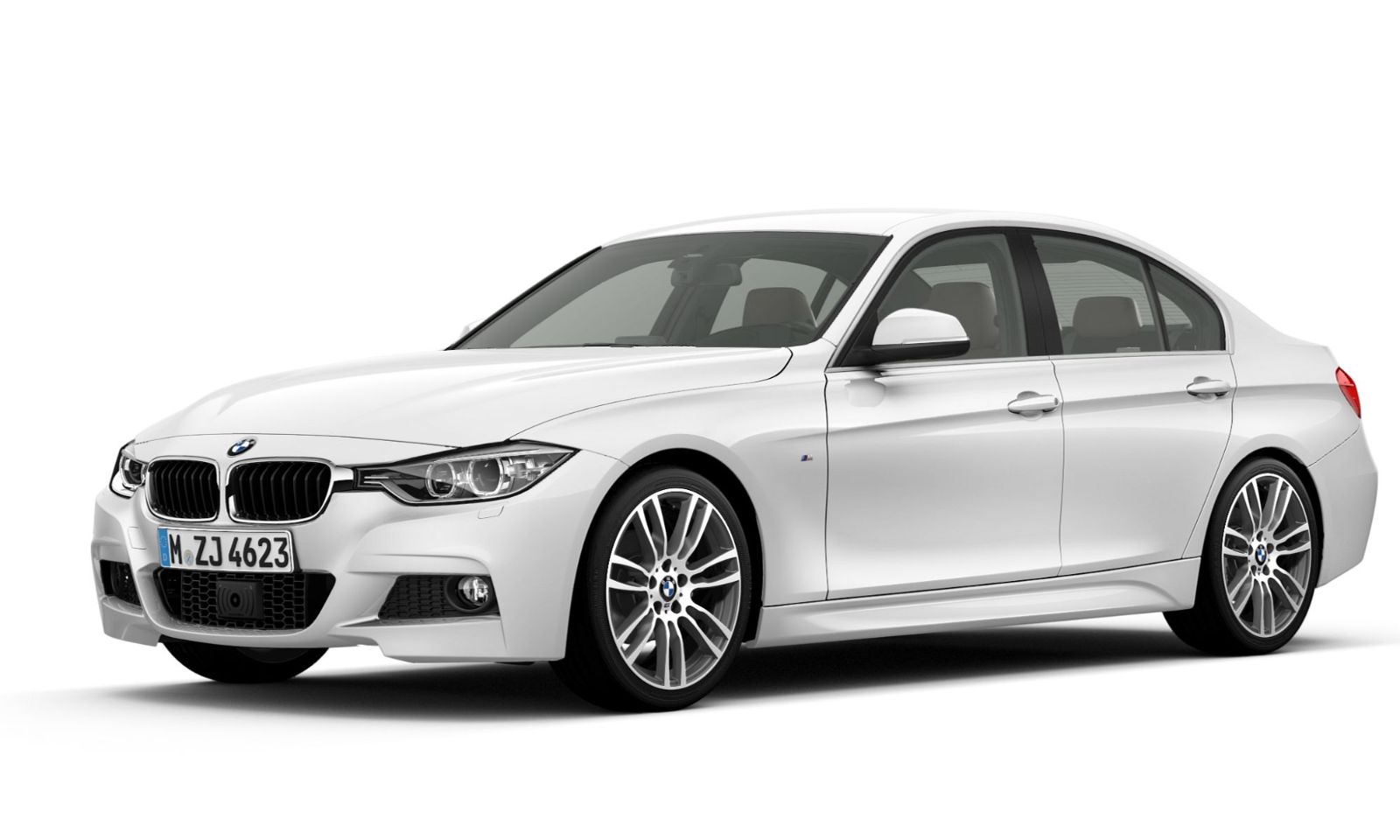
6th generation, pre-LCI (2011–2015). The dawn of 3 Series downsizing. The 184 hp four-cylinder 320d cemented itself as the best-selling imported D-segment in Korea — the defining generation. Driving Experience Control (Comfort/Sport/EcoPro) became standard. The M-car split off here too: the four-door M3 was succeeded by the M4 coupe for the first time.
- Launch6th-gen F30 global launchPublic debut in Munich. The dawn of 3 Series downsizing. Driving Experience Control (Comfort/Sport/EcoPro) became standard.paultan.org ↗
- LaunchF30 official Korea launchDomestic market sales begin. The 184 hp inline-four diesel 320d quickly became the best-seller.Kyunghyang Shinmun ↗
3 Series
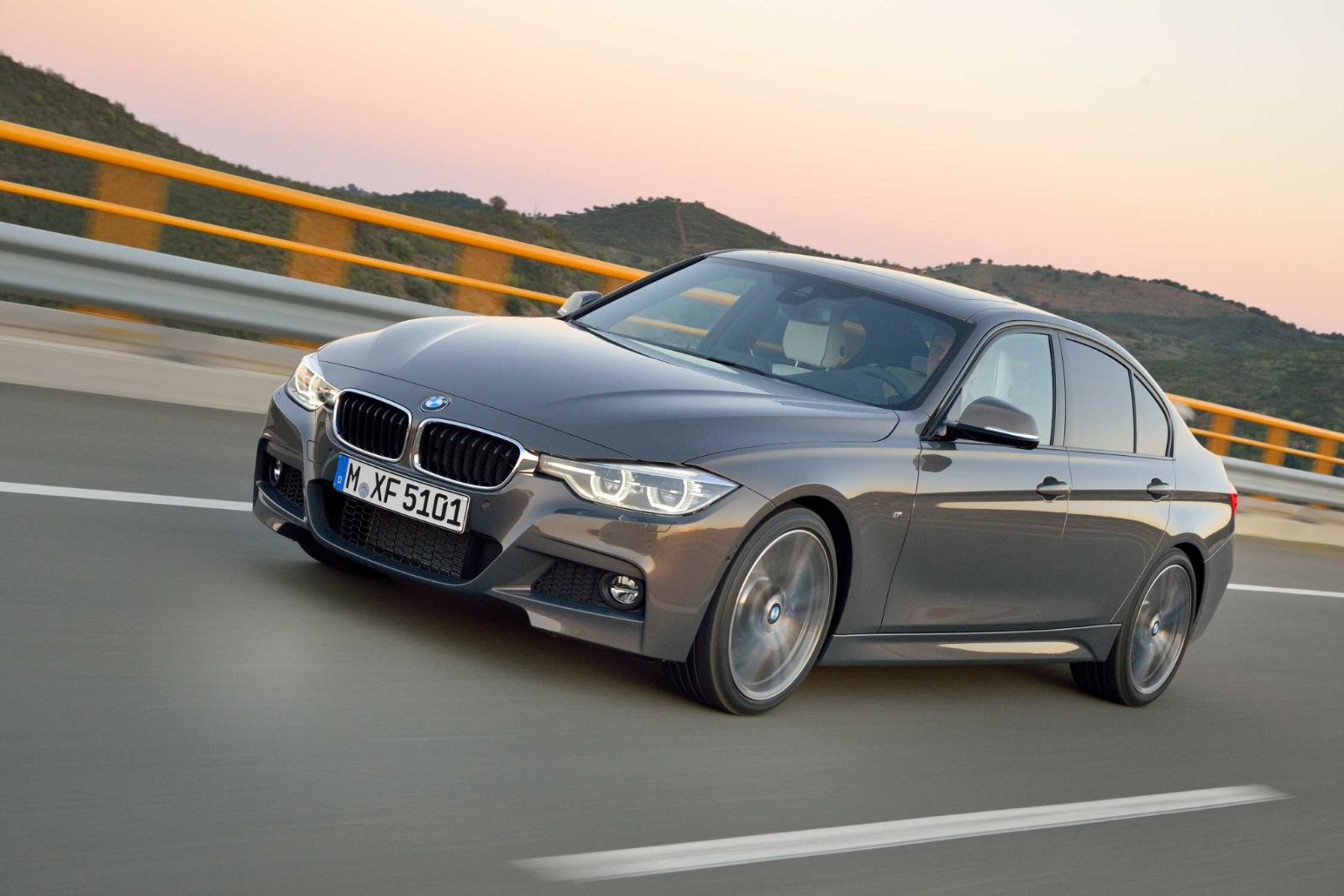
6th generation LCI (2015–2018). New LED headlamps, iDrive 5 infotainment, revised tail lamp graphics. The 320d's output rose from 184 to 190 hp, keeping diesel central to the lineup. The 330e plug-in hybrid joined as the 3 Series' first PHEV — the first signal flare of electrification.
- F/LF30 LCI Korea launchNew LED headlamps and iDrive 5 infotainment. The 320d's output rose from 184 to 190 hp, torque from 38.8 to 40.8 kgf·m. Priced KRW 49.4–58.4 million.Motorgraph ↗
- Milestone330e plug-in hybrid introducedThe 3 Series' first PHEV. Opening salvo of the lineup's electrification.BMW Group Official ↗
3 Series
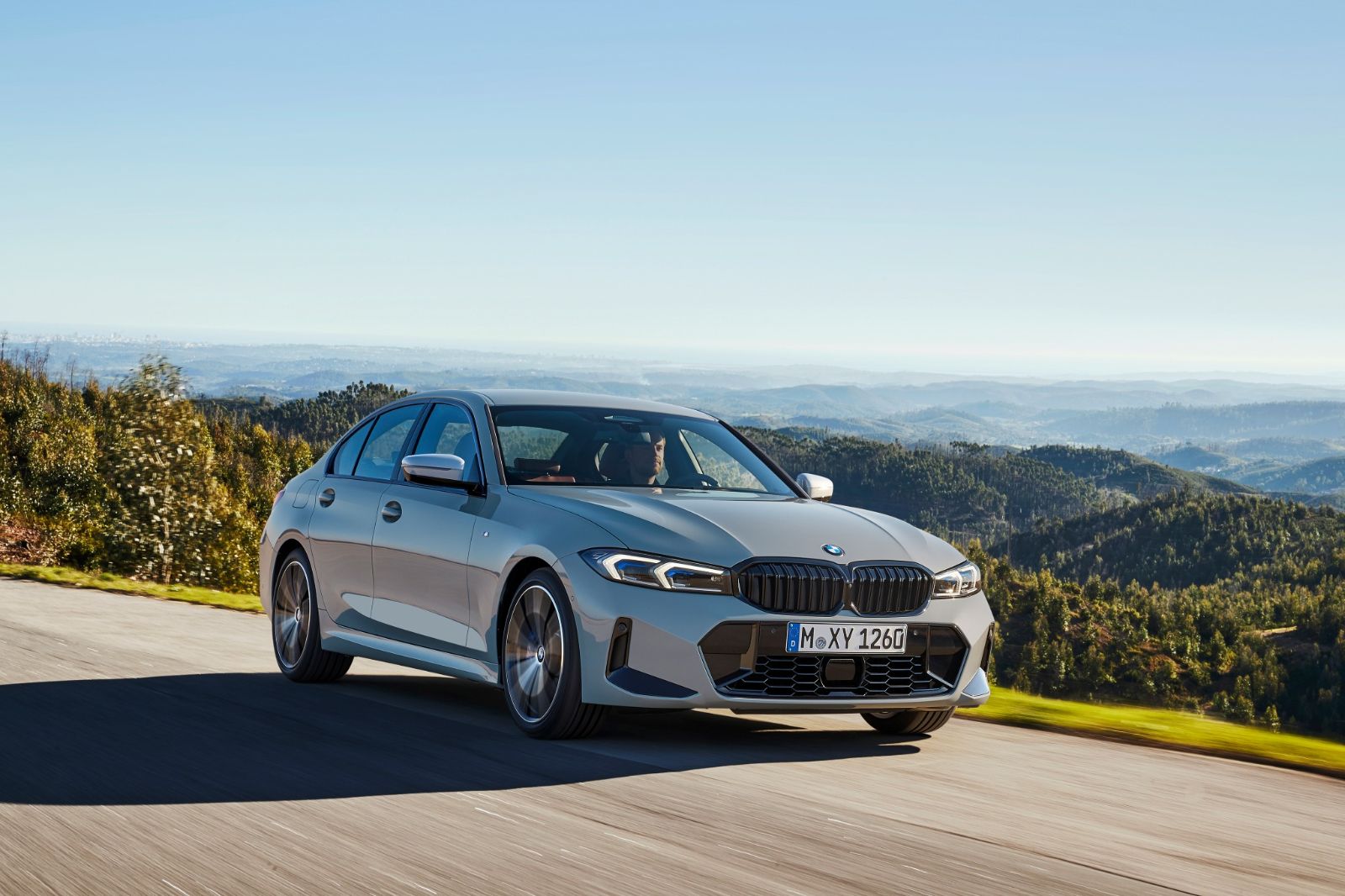
7th generation, pre-LCI (2019–2022). CLAR platform redesign — 76 mm longer, 41 mm wider — recalibrated chassis stiffness and weight distribution. Live Cockpit digital instrumentation went standard, marking the 3 Series' true digital-cockpit era. The M340i xDrive bolstered the all-wheel-drive offering, but the 320d remained the Korean best-seller — for the last time.
- Launch7th-gen G20 debuts at ParisGlobal reveal at Mondial de l'Automobile 2018. Built on the CLAR platform with standard Live Cockpit digital instruments and a 25% stiffer body structure.BMW Group Official ↗
- LaunchG20 official Korea launchBMW Korea formal introduction with the 330i and 320d. Length +76 mm, wheelbase +41 mm. M340i and 320i added in the second half of the year.Hankook Ilbo ↗
3 Series
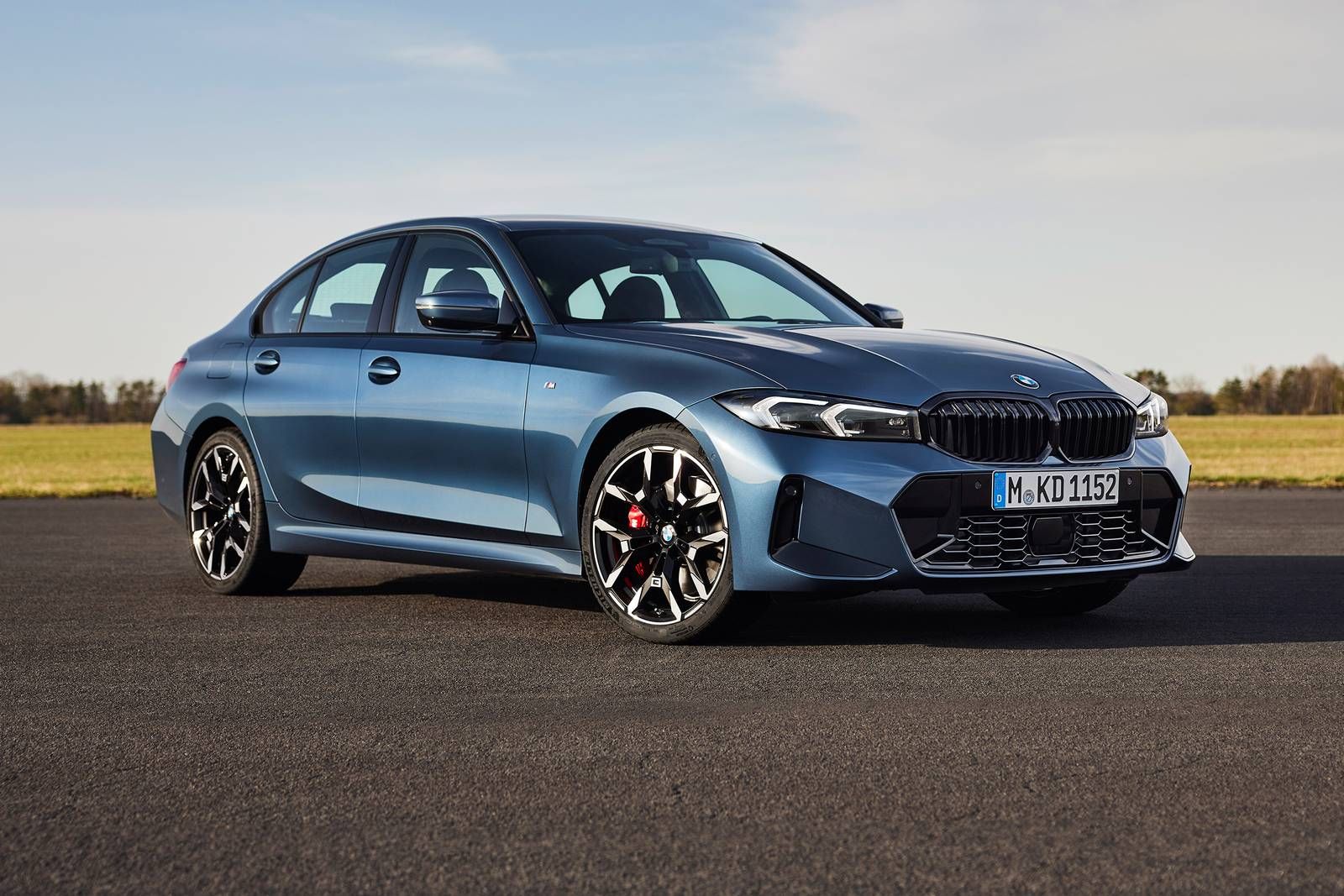
7th generation LCI (2022–present, current). Standard 12.3 + 14.9-inch curved display and a redesigned kidney grille. Mild-hybrid expansion across the lineup — the last genuine rear-wheel-drive 3 Series before electrification. The next generation (NA0) is set to be the i3 electric sedan, making this effectively the closing chapter of the petrol/diesel RWD 3 Series.
- F/LG20 LCI global revealIntroduced a 12.3 + 14.9-inch curved display, a redesigned kidney grille, and broader mild-hybrid coverage.BMW Group Official ↗
- LaunchG20 LCI Korea launchThe new 3 Series with the curved display arrives in Korea. Lineup: 320i, 320d, 330e, M340i — seven variants in total.Motorgraph ↗
Full Evolution
- Launch
1st-gen E21 global launch
Successor to the BMW 02 series. Launched as a two-door sedan, soon joined by inline-six and fuel-injection options. Quickly recognised as the benchmark for the sport-sedan category.
- Launch
2nd-gen E30 global launch
Body lineup expanded to four-door sedan, Touring wagon and Cabriolet. Introduced the first diesel engine and the 325iX with all-wheel drive.
- Milestone
M3 debuts (E30 M3)
The first M3 — built to homologate BMW for Group A touring car racing. Naturally aspirated S14 inline-four, the genesis of the M GmbH signature.
- Milestone
First imports arrive in Korea
BMW 3 Series first appears in Korea via grey-market E30 imports.
- Launch
3rd-gen E36 global launch
Full four-door availability and a sportier surfacing language. Introduced multi-link rear suspension for the first time and added the Compact hatchback body to the lineup.
- Discontinued
E30 discontinued (Touring)
Cabriolet ended in 1993, Touring in 1994 — closing a 12-year production run.
- F/L
E36 facelift
Late-cycle styling updates. Revised wheel designs and interior trims.
- Milestone
BMW Group Korea officially established
A 100% German-owned subsidiary — the first dedicated importer-brand subsidiary in Korea. Within six months sales tripled, climbing to 714 units.
- LaunchE46
4th-gen E46 global launch
Design evolved with a one-piece kidney-grille bonnet integration. Brought satellite navigation, Electronic Brake-Force Distribution (EBD), ASC/DSC, rain-sensing wipers, LED tail lamps and xenon headlamps into mainstream BMW use.
- LaunchE46
E46 Coupe and Touring added
Body lineup expanded two years after sedan launch. The compact hatch was spun off into the next-generation 1 Series.
- F/LE46
E46 facelift
Refreshed front and rear graphics; infotainment system upgraded.
- LaunchE90
5th-gen E90 global launch
Body grew into proper D-segment dimensions. The 320i moved from inline-six to four-cylinder, while the 320d diesel established itself as the lineup's core.
- F/LE90
E90 facelift (LCI)
Front and rear styling revisions. The direct-injected N54 twin-turbo six landed in the 335i (later replaced by the N55 mid-LCI), opening the 3 Series' first turbo-petrol chapter.
- LaunchF30
6th-gen F30 global launch
Public debut in Munich. The dawn of 3 Series downsizing. Driving Experience Control (Comfort/Sport/EcoPro) became standard.
- LaunchF30
F30 official Korea launch
Domestic market sales begin. The 184 hp inline-four diesel 320d quickly became the best-seller.
- F/LF30-FL
F30 LCI Korea launch
New LED headlamps and iDrive 5 infotainment. The 320d's output rose from 184 to 190 hp, torque from 38.8 to 40.8 kgf·m. Priced KRW 49.4–58.4 million.
- MilestoneF30-FL
330e plug-in hybrid introduced
The 3 Series' first PHEV. Opening salvo of the lineup's electrification.
- LaunchG20
7th-gen G20 debuts at Paris
Global reveal at Mondial de l'Automobile 2018. Built on the CLAR platform with standard Live Cockpit digital instruments and a 25% stiffer body structure.
- LaunchG20
G20 official Korea launch
BMW Korea formal introduction with the 330i and 320d. Length +76 mm, wheelbase +41 mm. M340i and 320i added in the second half of the year.
- Discontinued
F30/F31 production ends
Eight-year production run closes. Replaced by the G20.
- F/LG20-FL
G20 LCI global reveal
Introduced a 12.3 + 14.9-inch curved display, a redesigned kidney grille, and broader mild-hybrid coverage.
- LaunchG20-FL
G20 LCI Korea launch
The new 3 Series with the curved display arrives in Korea. Lineup: 320i, 320d, 330e, M340i — seven variants in total.
Other Heritage
Explore other model histories in this category.