Hyundai· EST. 1967

Hyundai

현대
Progress for Humanity
Founded
1967
HQ
Seoul, South Korea
Founder
Chung Ju-yung
Korea entry
Scroll to explore
BRAND STORY

Brand Story

5 chapters
Chapter 1 / 5
01

The starting line of the Korean car

Photo: Sim1992CC BY-SA 4.0Wikimedia Commons ↗

Founded in December 1967 by Chung Ju-yung as Hyundai Construction’s automotive arm.

After beginning with SKD assembly of the Ford Cortina in November 1968, the first-generation Pony debuted in 1974 — Korea’s first independently produced model, styled by Italdesign’s Giorgetto Giugiaro with engine and engineering licensed from Mitsubishi. The line from which Korean cars first rolled onto Korean roads.

Chapter 2 / 5
02

Alpha engine and the global leap

Photo: Mr.choppersCC BY-SA 3.0Wikimedia Commons ↗

The Excel arrived in the United States in 1986 and sold 168,000 units in its first year, stunning the Japanese and American press.

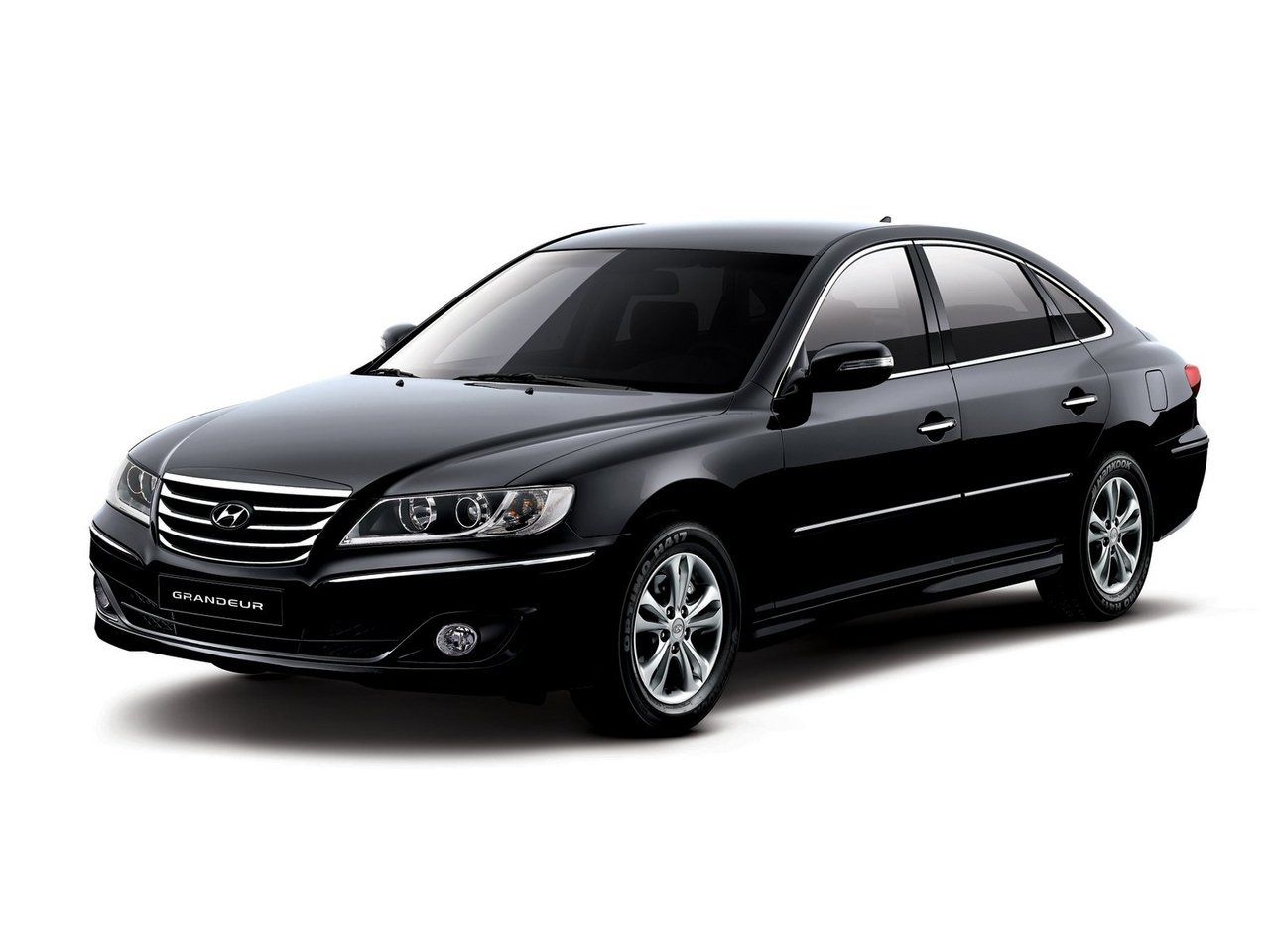
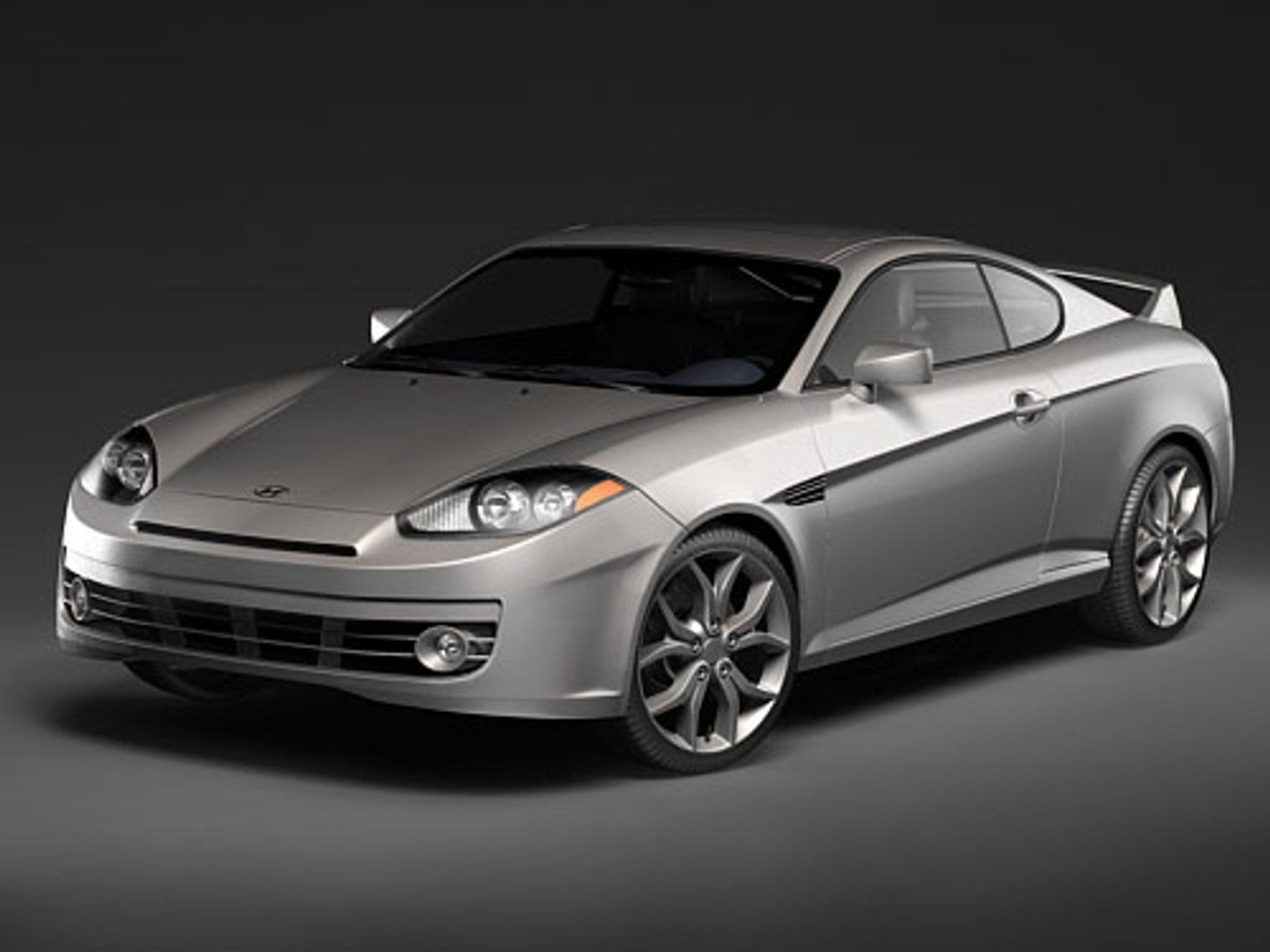
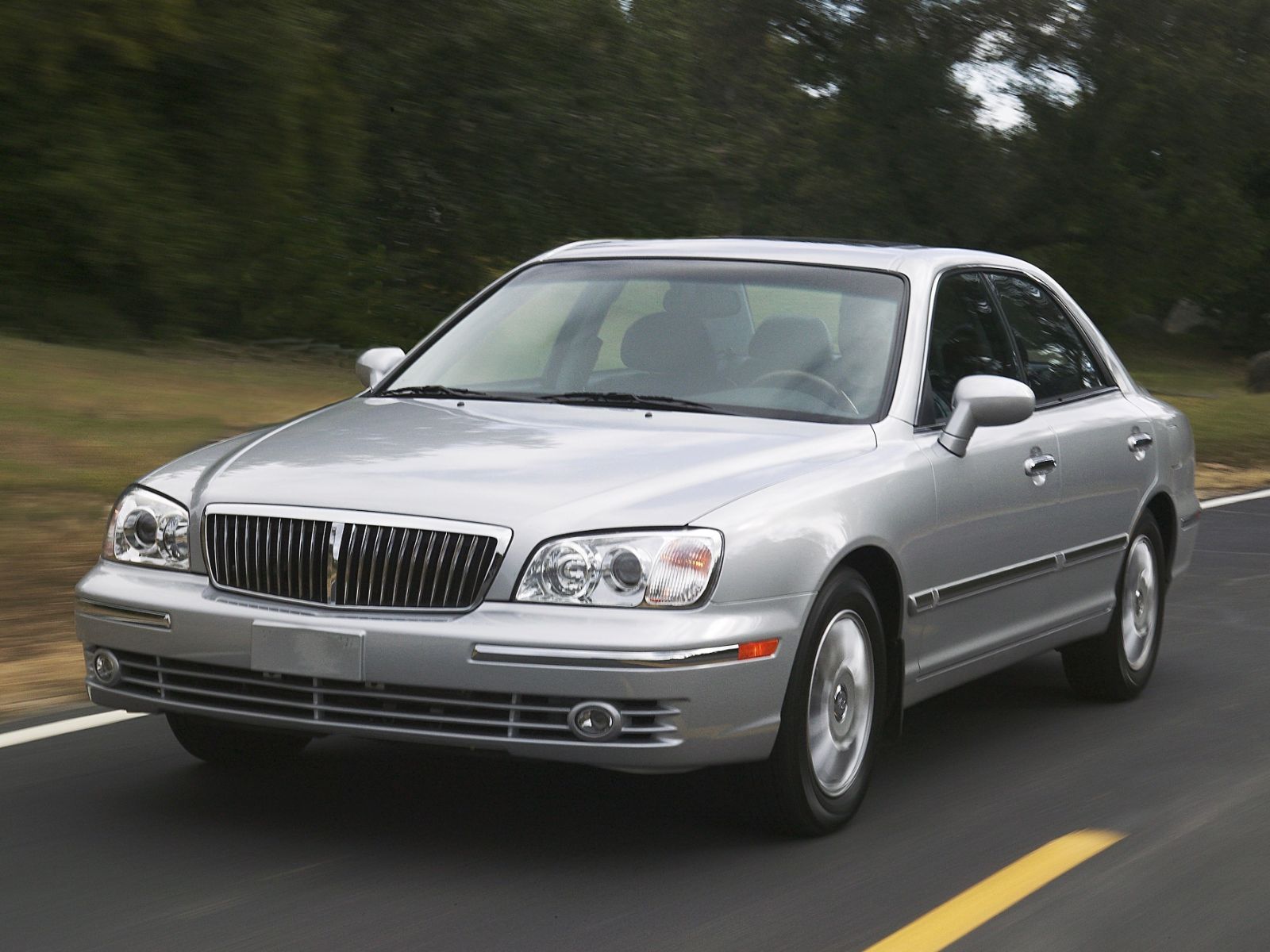
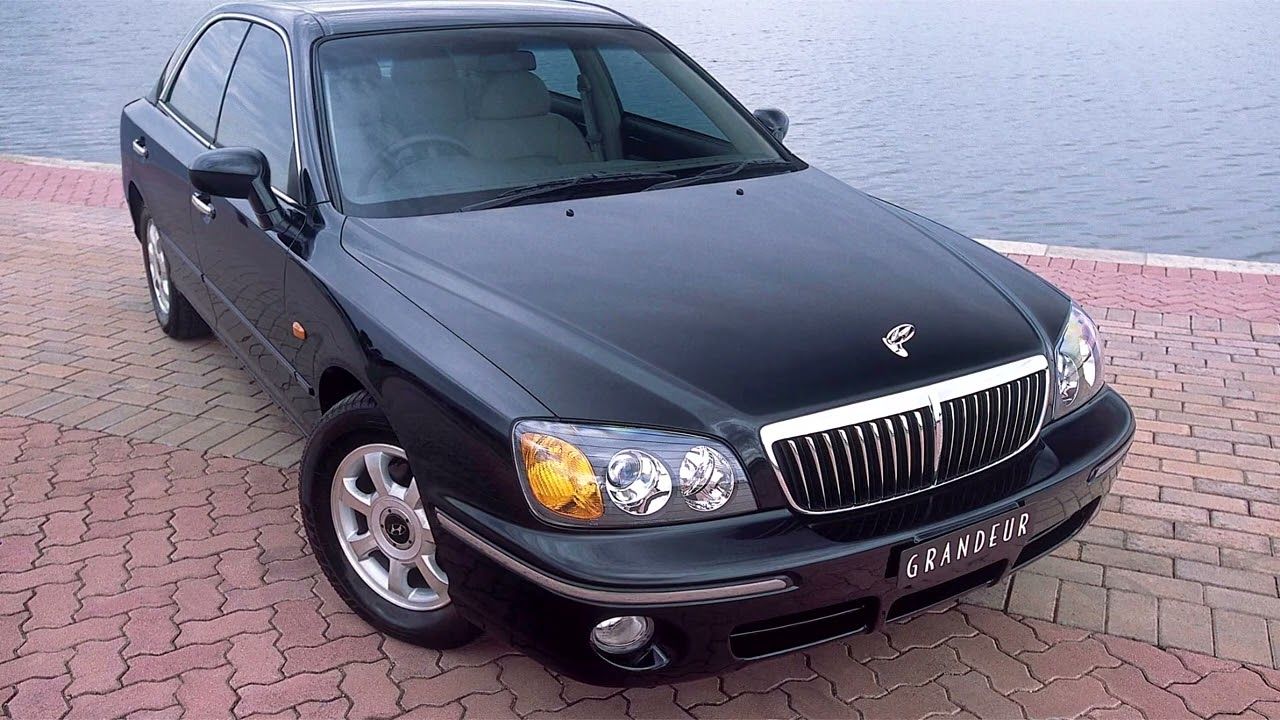
In 1990 Hyundai began producing the Alpha engine — its own design — breaking from Japanese licensing; the 1991 Scoupe was the first car to wear it. The 1999 Grandeur XG carried the in-house Delta V6, extending independence to large sedans, and the 1998 takeover of Kia Motors completed the Hyundai–Kia group.

Chapter 3 / 5
03

Genesis and N — splitting the identity

Photo: VauxfordCC BY-SA 4.0Wikimedia Commons ↗

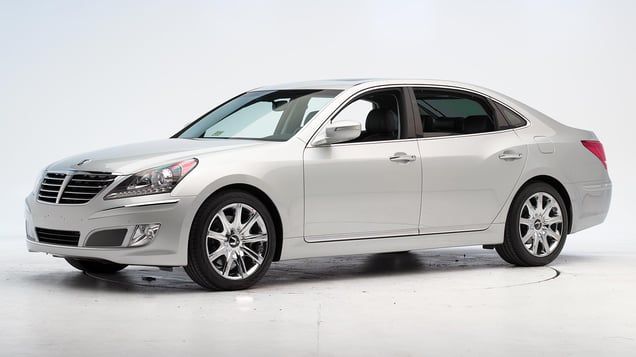
The 2008 Genesis BH (the BH chassis) opened the rear-wheel-drive luxury segment.

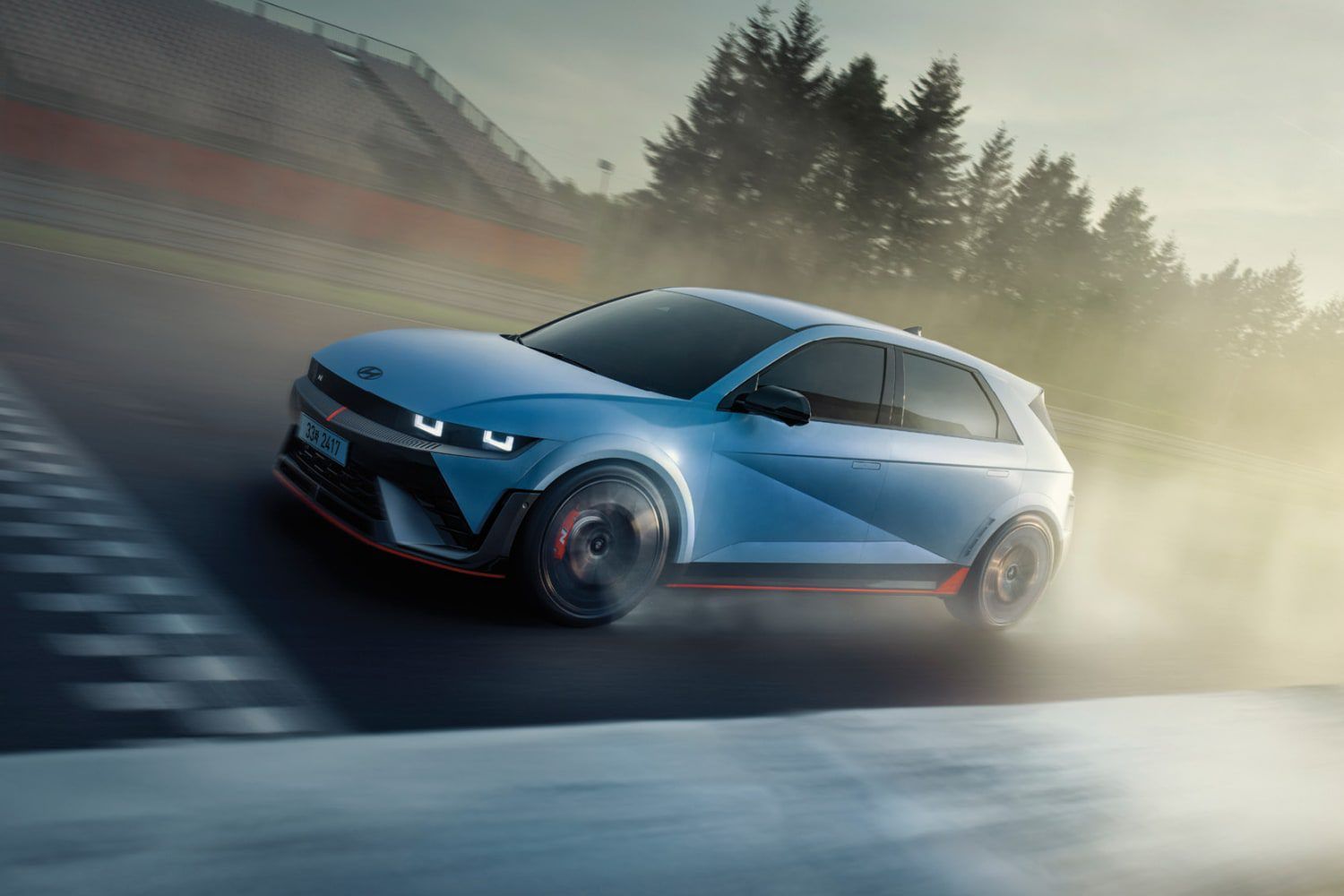
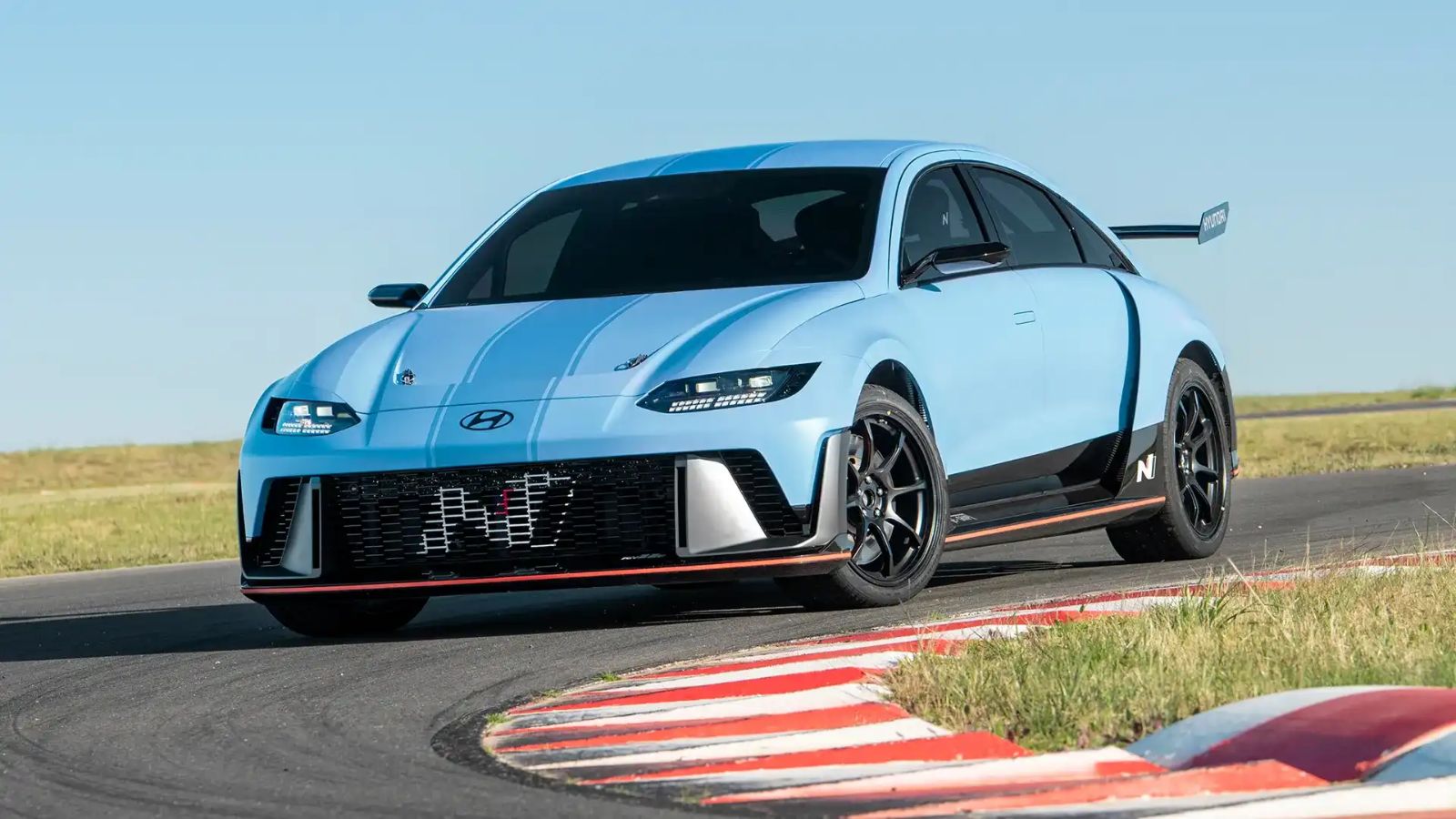
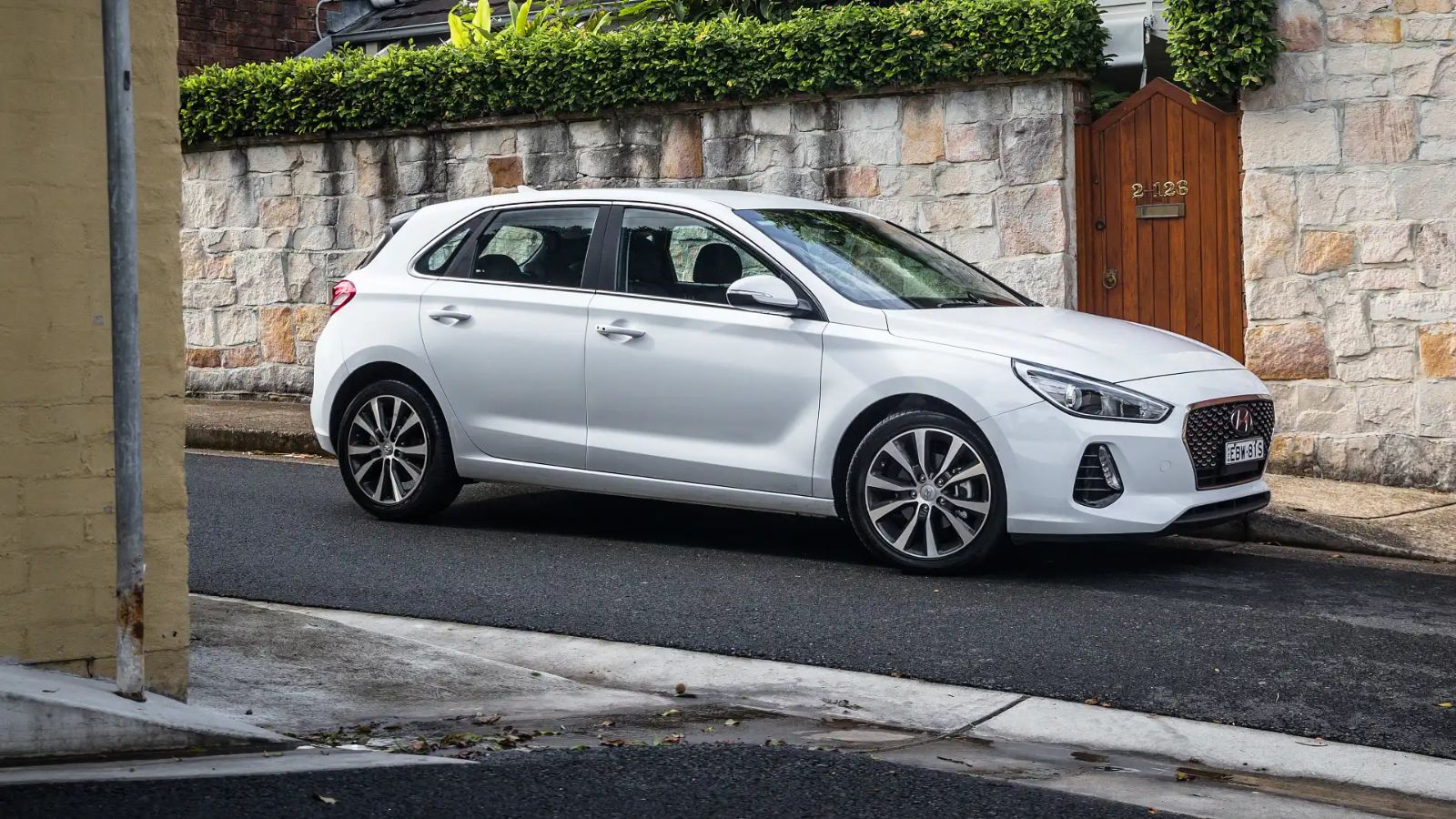
In 2015 Genesis was spun off as a separate brand, leaving Hyundai with mass-market and N performance, and Genesis with luxury. Starting with the 2017 i30 N, the N line built its track-focused hot-hatch identity around Nürburgring Nordschleife development; with the 2024 Ioniq 5 N, the electrified N began.

Chapter 4 / 5
04

Motorsport — WRC and TCR out of Alzenau

Photo: OverlaetCC BY-SA 3.0Wikimedia Commons ↗

On December 19, 2012 Hyundai founded Hyundai Motorsport GmbH in Alzenau, Germany, opening a serious global motorsport investment.

It returned to the WRC with the i20 WRC in 2014, taking its debut win at Rallye Deutschland that same year with Thierry Neuville, and the i20 Coupe WRC delivered back-to-back Manufacturers’ titles in 2019 and 2020. In 2024 Neuville sealed his maiden Drivers’ Championship at Rally Japan — the team’s first — even as the Manufacturers’ title slipped away to Toyota by just three points in a finale-stage photo-finish. In TCR, the i30 N TCR took back-to-back WTCR Drivers’ titles with Gabriele Tarquini (2018) and Norbert Michelisz (2019), making it the best-selling TCR machine globally.

Chapter 5 / 5
05

E-GMP — a new electrification standard

Photo: Damian B OhCC BY-SA 4.0Wikimedia Commons ↗

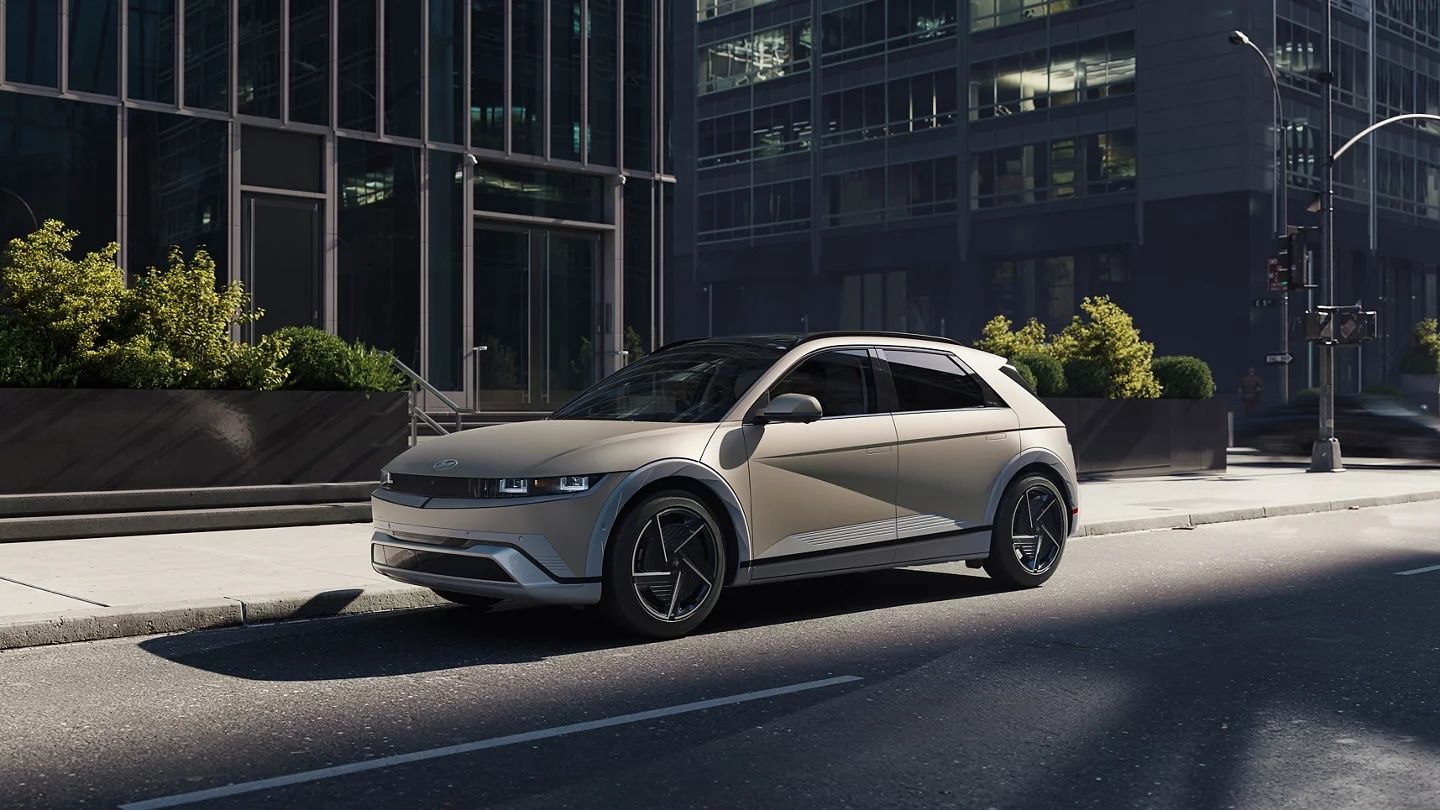
E-GMP, unveiled in December 2020, is a dedicated 800V BEV platform.

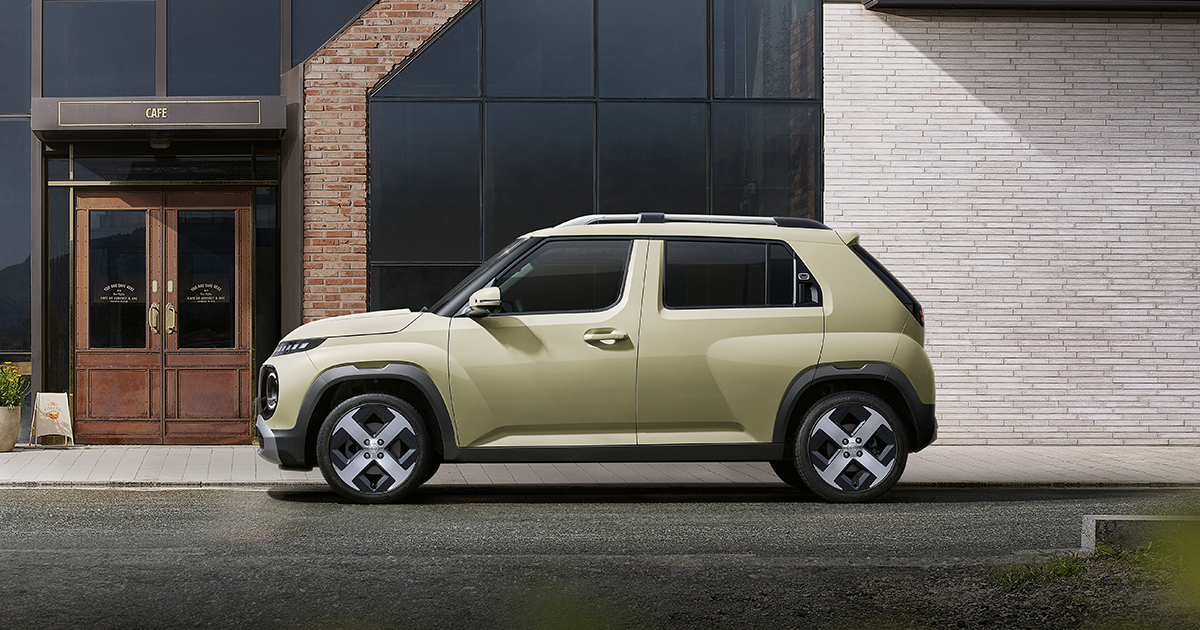
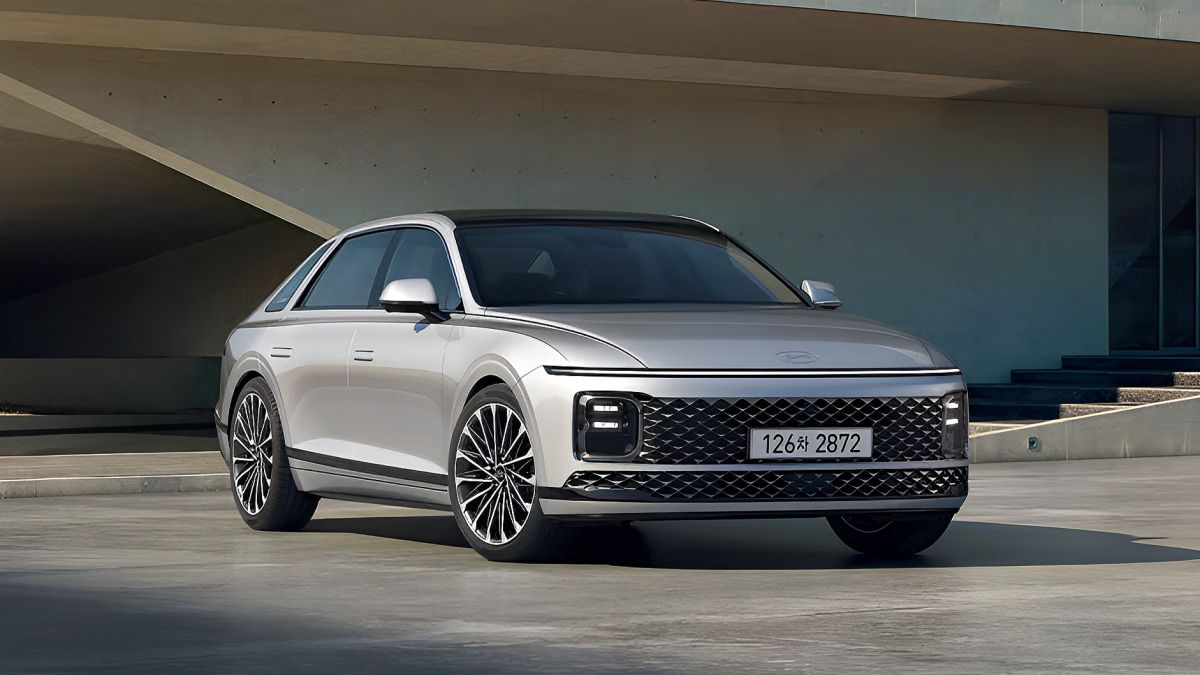
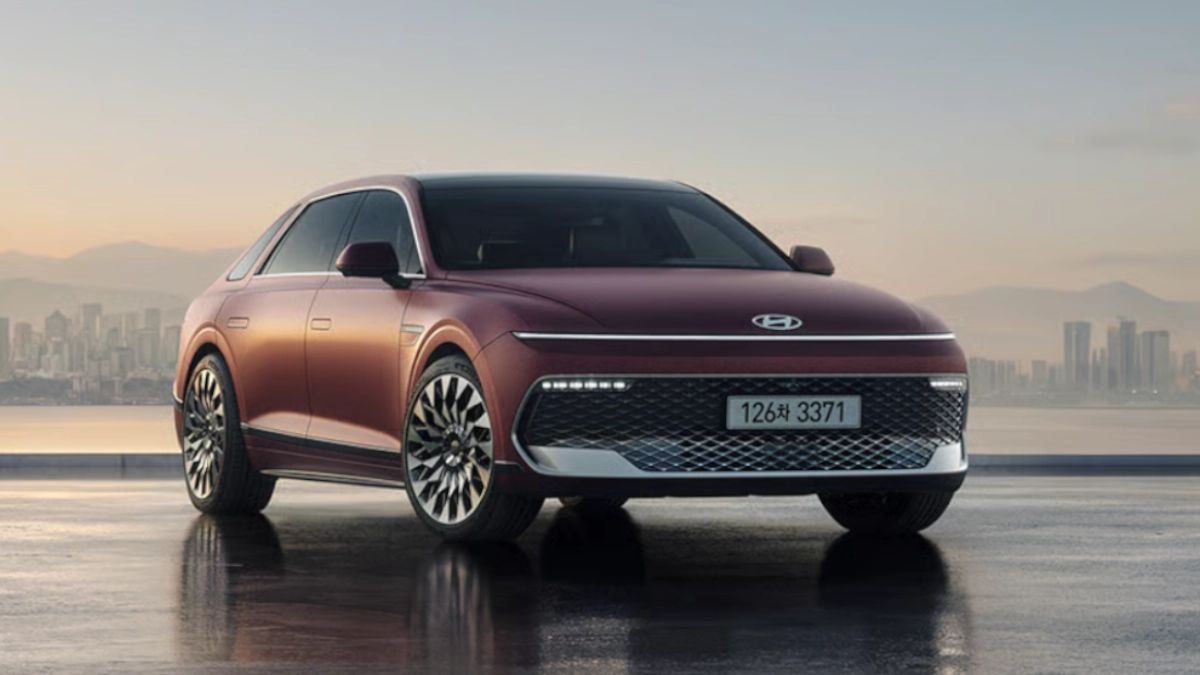
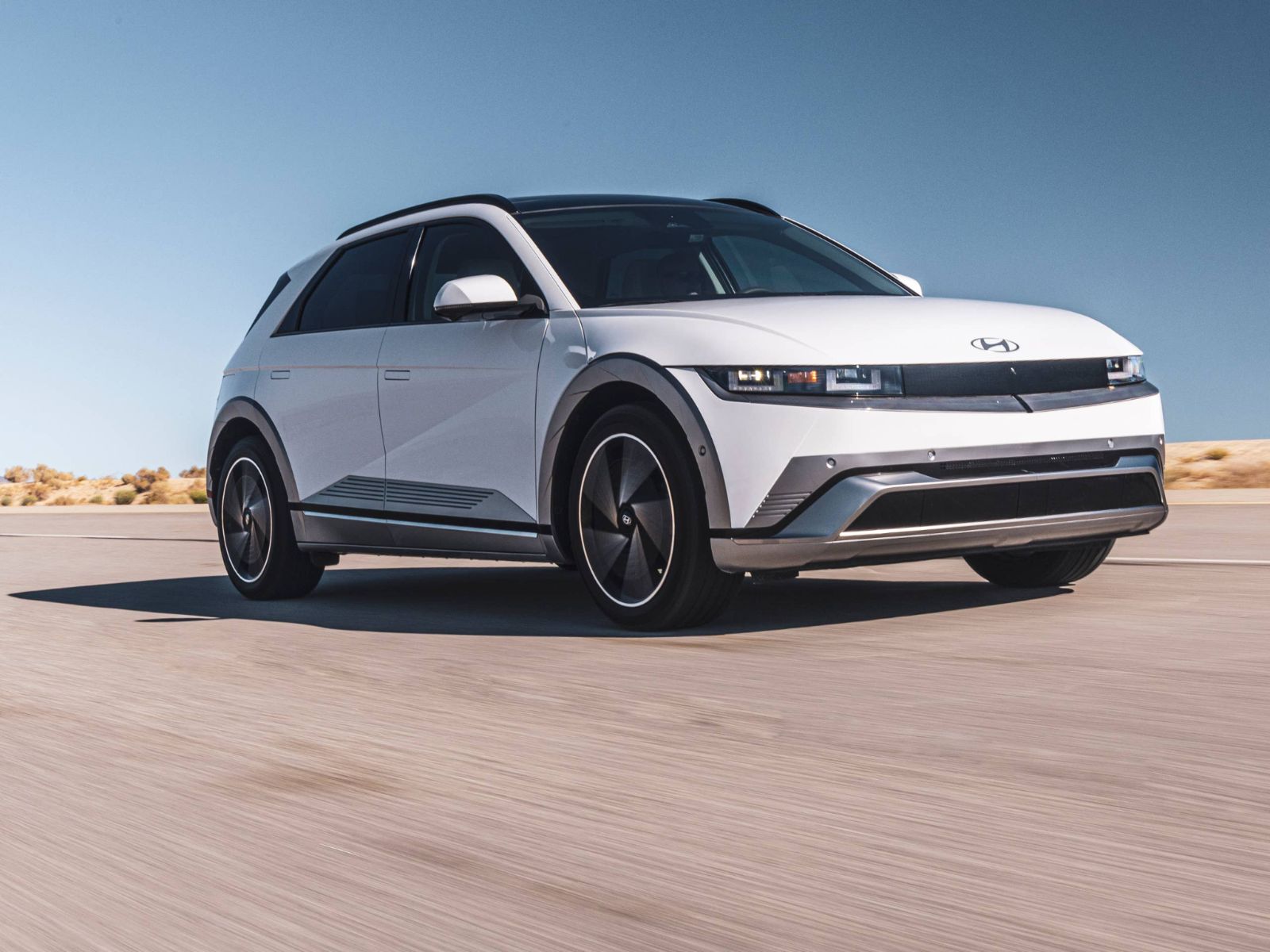
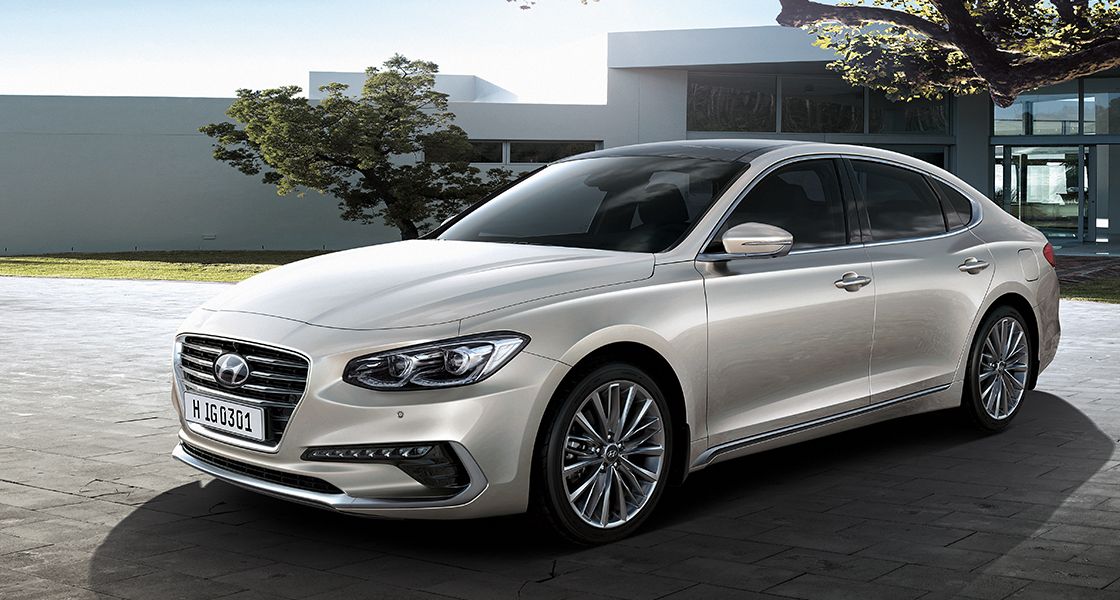
The Ioniq 5 launched on it in February 2021 and went on to win 2022 World Car of the Year and other global awards. The 2024 Casper Electric extended the platform’s reach into the city-car segment. In May 2026 the New Grandeur (GN7 facelift) arrived with a 17-inch Pleos Connect display and Gleo generative AI, taking 10,277 contracts on day one — the Grandeur, now past two million cumulative units, once again becoming the benchmark of the Korean market.

TIMELINE

Brand Milestones

1960s
2 events
  1. Founding

    Hyundai Motor Company founded

    Founded by Chung Ju-yung as the automotive arm of Hyundai Construction. The early company had no model of its own and began through a partnership with Ford.

    위키백과
  2. Milestone

    Ford Cortina assembly begins

    SKD assembly of the Ford Cortina begins at the Ulsan plant — the operational starting point of Korean car production.

1970s
2 events
  1. Innovation

    First-generation Pony debuts

    Korea’s first independently produced model, designed by Italdesign’s Giorgetto Giugiaro with engine and engineering licensed from Mitsubishi. Series production began in 1976.

    위키백과
    Sim1992CC BY-SA 4.0
  2. Milestone

    First Pony export — to Ecuador

    The first car export from Korea, beginning with a shipment of five units.

1980s
2 events
  1. Milestone

    Entry into Canada

    The start of Hyundai’s North American presence, followed by the Bromont plant in Canada.

  2. Milestone

    Excel arrives in the US — 168,000 first-year sales

    The Excel launched in the US and sold 168,000 units in its first year, becoming the best-selling first-year import compact.

    위키백과
    Mr.choppersCC BY-SA 3.0
1990s
4 events
  1. Innovation

    Alpha engine enters production — Korea’s first in-house petrol engine

    The first in-house production engine, ending dependence on Mitsubishi licensing. A 1.5-litre four-cylinder SOHC unit, first fitted to the 1991 Scoupe.

    Wikimedia Commons 기여자CC BY-SA
  2. Launch

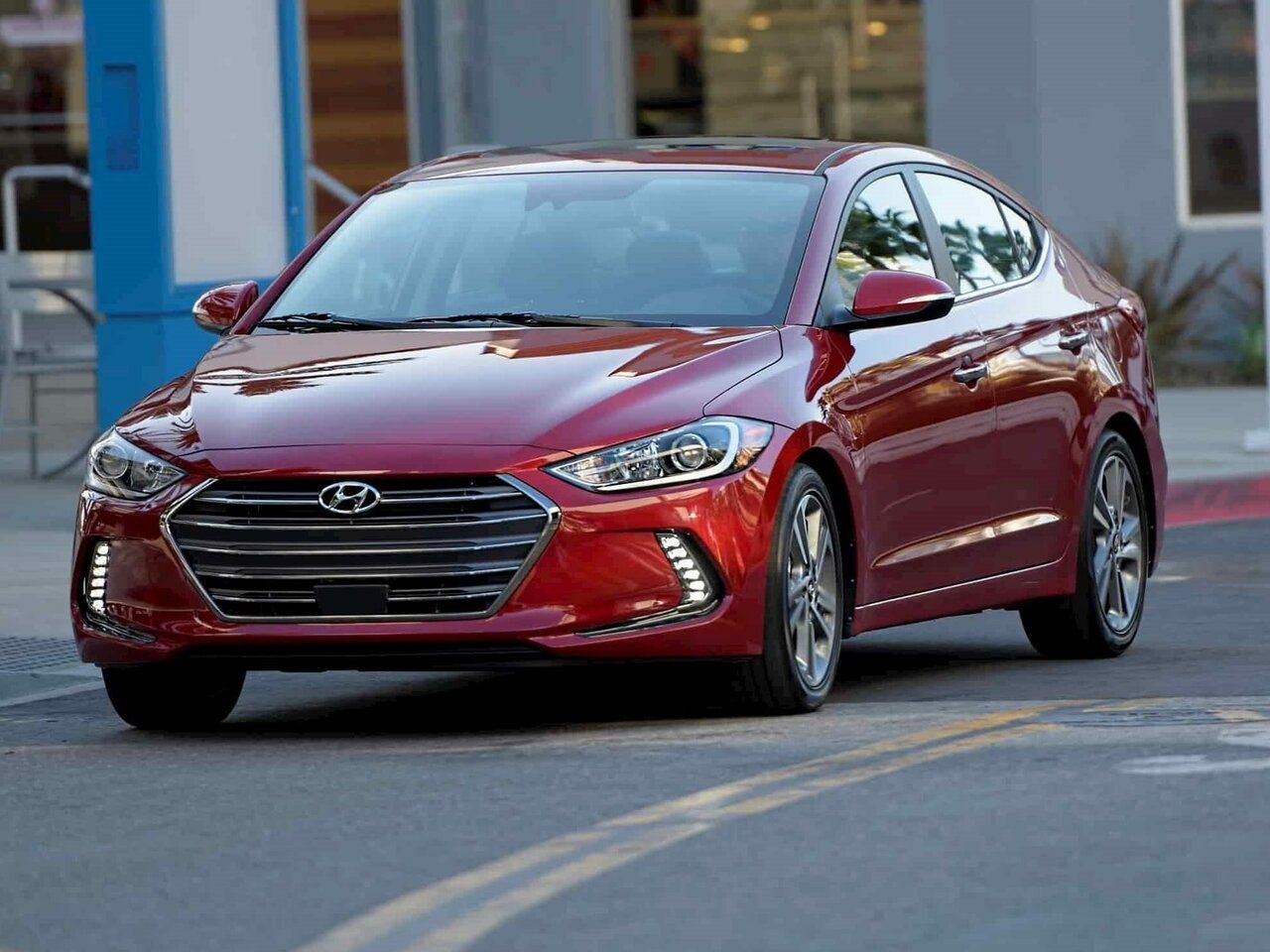
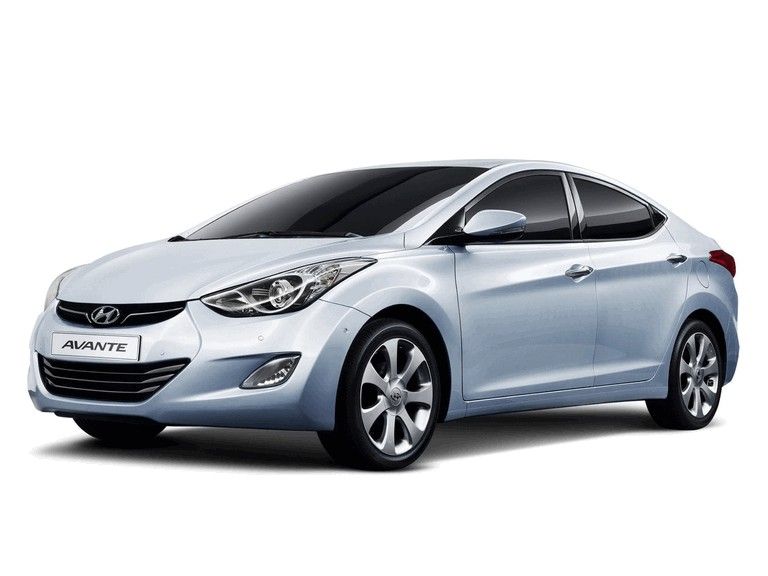
    First-generation Avante (Elantra) launched

    The successor to the J1 Elantra and the start of a model line that became the benchmark of the Korean compact segment.

    skinnylawyerCC BY-SA 2.0
  3. M&A

    Acquisition of Kia Motors

    Following the Asian financial crisis, Hyundai acquired Kia Motors, forming the Hyundai-Kia group and starting Korea’s two-pillar automotive structure.

  4. Launch

    Grandeur XG — first in-house V6 (Delta)

    The first Grandeur built on Hyundai’s own engineering, free of Mitsubishi dependence; the in-house Delta V6 enabled the model’s push into US and European markets.

2000s
2 events
  1. Milestone

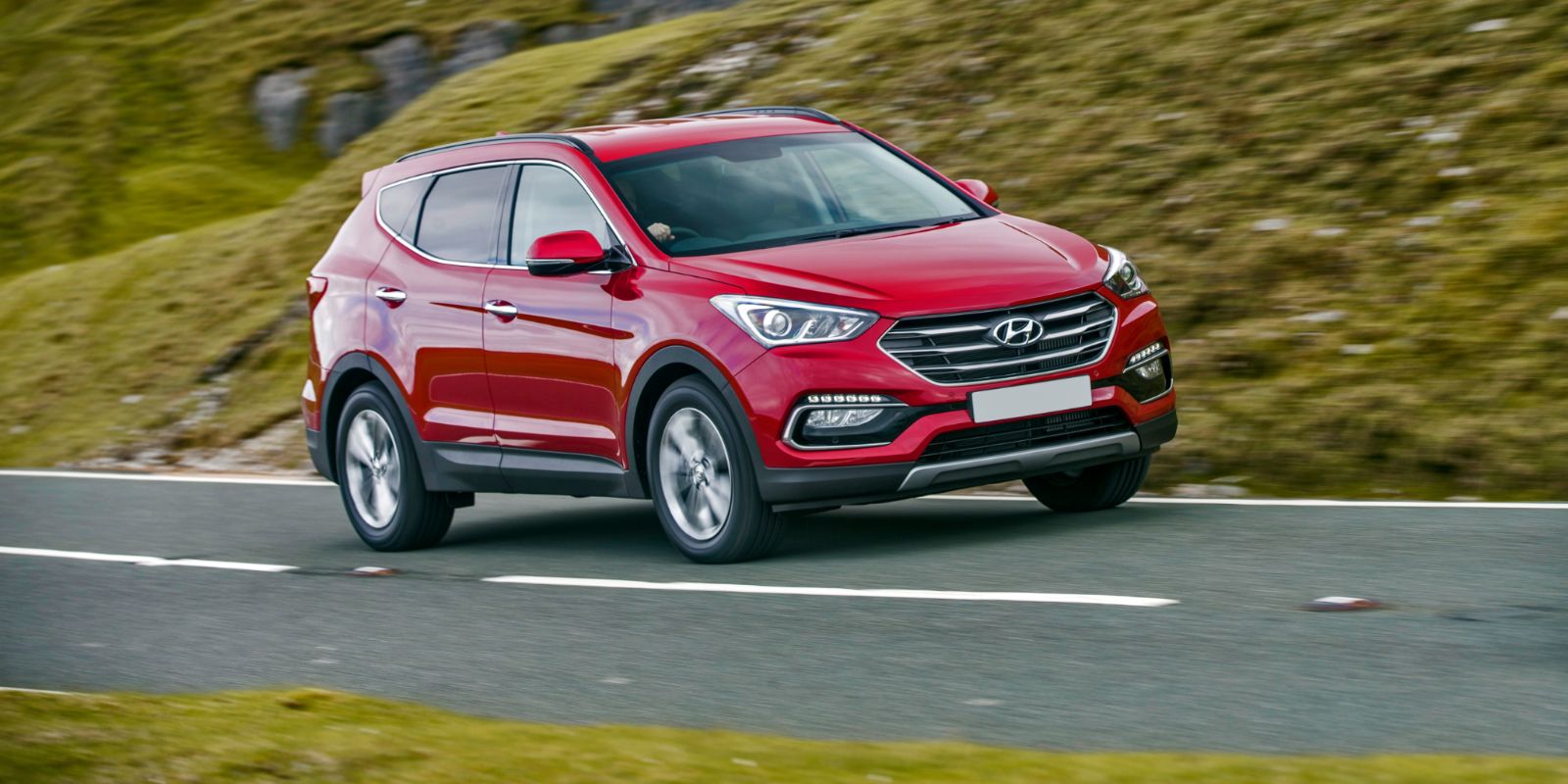
    Santa Fe finds success in the US

    The first global hit Korean SUV; favourable US press reviews marked a turning point in the Hyundai brand image.

  2. Launch

    Genesis BH launch — entry into RWD luxury

    Debuted at the Detroit Motor Show — Hyundai’s first rear-wheel-drive luxury sedan. Won the 2009 North American Car of the Year (NACOTY).

    위키백과
    BenespitCC BY-SA 4.0
2010s
7 events
  1. Innovation

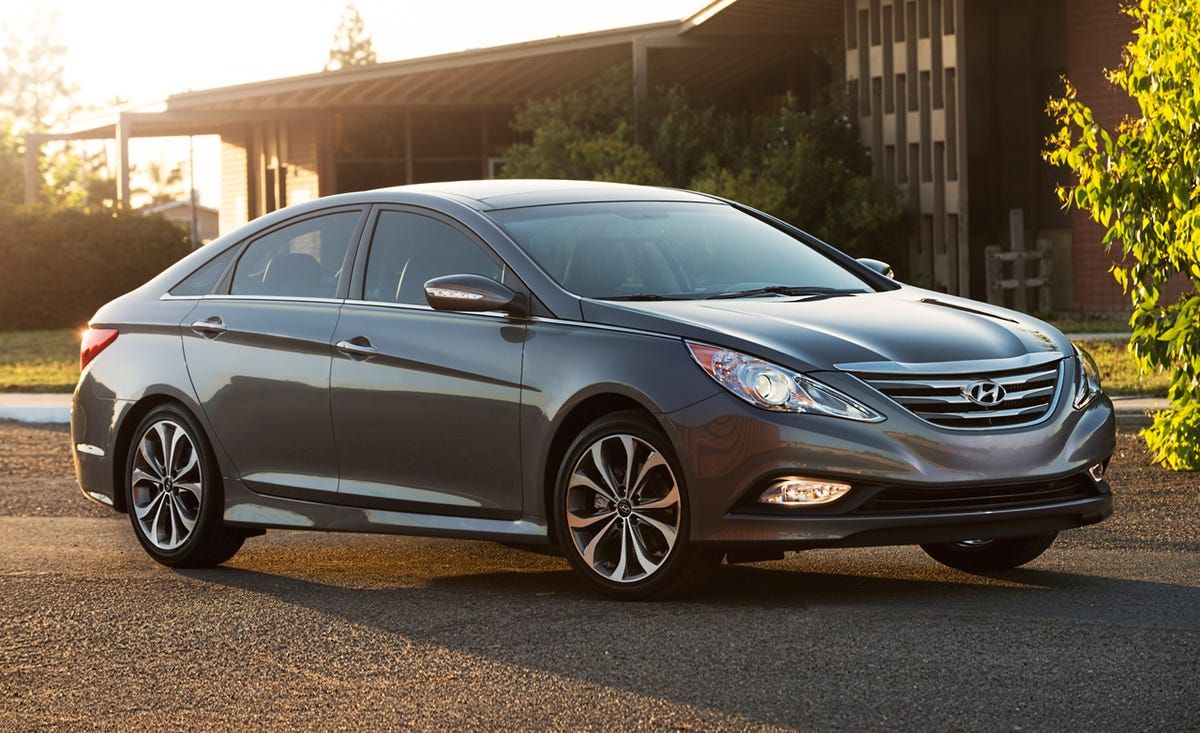
    Sixth-gen Sonata YF — ‘Fluidic Sculpture’

    The ‘Fluidic Sculpture’ language redefined Hyundai’s design identity; share of the US mid-size sedan market rose sharply.

  2. Innovation

    Hyundai Motorsport GmbH founded — Alzenau, Germany

    A dedicated motorsport subsidiary established in Alzenau, Germany — the base for the WRC and TCR programmes and for N road-car development.

    위키백과
  3. Award

    First WRC victory — Rallye Deutschland (Thierry Neuville)

    In their second WRC season, Neuville took the team’s maiden WRC win in the i20 WRC.

    위키백과
    OverlaetCC BY-SA 3.0
  4. M&A

    Genesis spun off as a separate brand

    Genesis spun off as a standalone luxury brand, splitting the identity: Hyundai for mass market and N performance, Genesis for luxury.

    위키백과
  5. Innovation

    Ioniq Electric launched

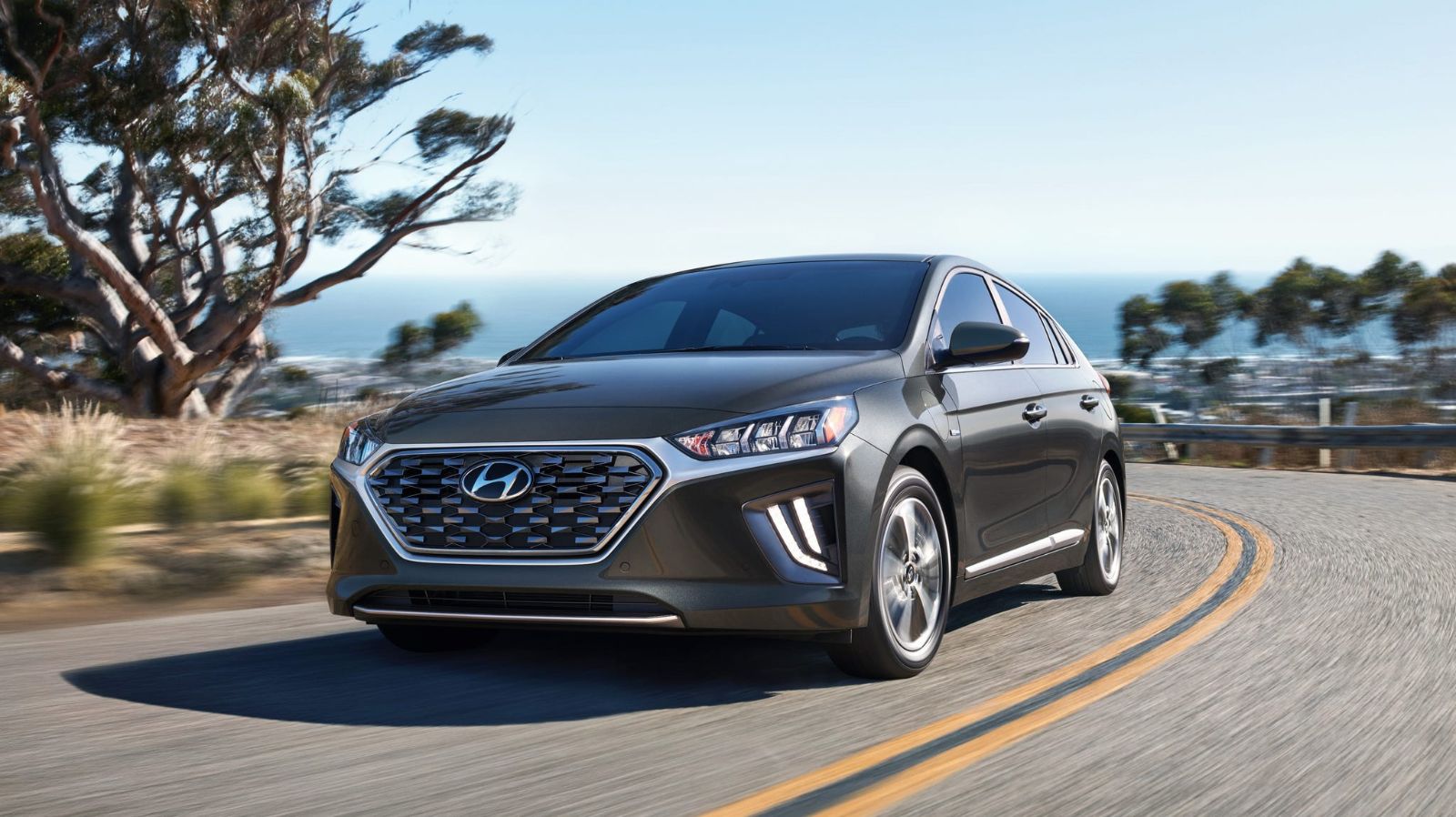
    Hyundai’s first dedicated EV nameplate, and the first car to launch with HEV, PHEV and BEV variants on the same body simultaneously.

  6. Launch

    i30 N TCR debuts — wins the inaugural WTCR with Tarquini

    In the inaugural WTCR season, Gabriele Tarquini won the Drivers’ title in the i30 N TCR — setting the global TCR customer-racing benchmark.

    제조사 공식
    Calreyn88CC0
  7. Award

    First WRC Manufacturers’ Championship (i20 Coupe WRC)

    The i20 Coupe WRC clinched Hyundai’s first WRC Manufacturers’ Championship; the team defended the title in 2020 to make it back-to-back.

    위키백과
    OverlaetCC BY-SA 3.0
2020s
6 events
  1. Innovation

    E-GMP platform unveiled

    A dedicated 800V BEV architecture: 350 kW ultra-fast charging, ~100 km of range from a 5-minute charge, and bidirectional V2L power output.

    Wikimedia Commons 기여자CC BY-SA
  2. Launch

    Ioniq 5 launches — first E-GMP model

    Internal code NE. The pixel graphic design opened Hyundai’s EV identity; over 100,000 global sales within 18 months.

    위키백과
    Damian B OhCC BY-SA 4.0
  3. Award

    World Car of the Year — Ioniq 5

    The 2022 World Car Awards delivered World Car of the Year, World Electric Car and World Car Design of the Year — a clean sweep, and a first for Hyundai.

    WCOTY 공식
    Damian B OhCC BY-SA 4.0
  4. Launch

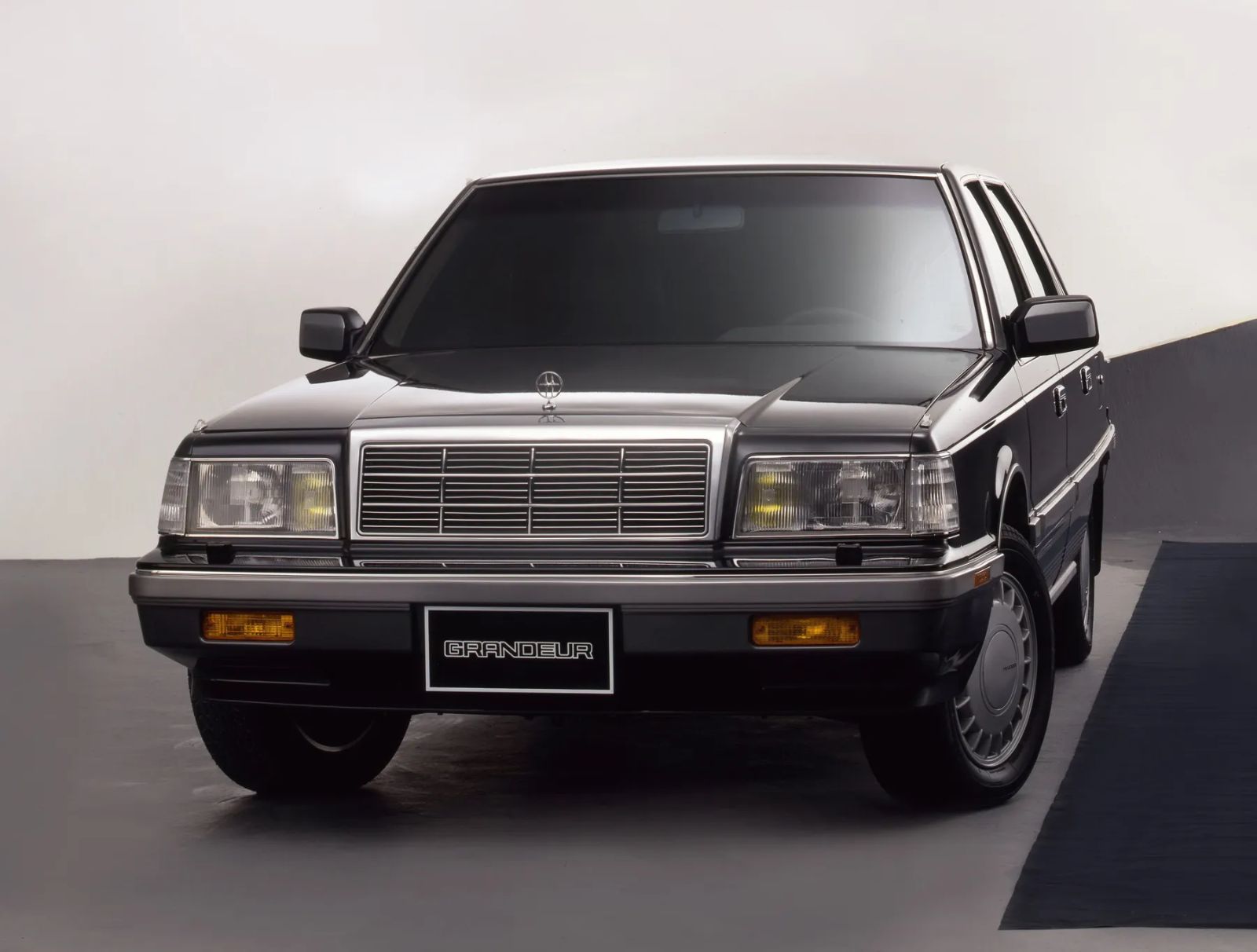
    Seventh-gen Grandeur GN7 — 140,000 first-year sales

    A reinterpretation of the original ‘Gak-Grandeur’ design; sold 140,000 units in its first year — the fastest-selling start in the model’s history.

    Damian B OhCC BY-SA 4.0
  5. Award

    WRC Drivers’ Champion — Thierry Neuville (Rally Japan)

    Neuville claimed his maiden Drivers’ title after 11 seasons — the team’s first WRC Drivers’ Championship. The Manufacturers’ title was lost to Toyota by just three points in a finale-stage photo-finish.

    제조사 공식
    OverlaetCC BY-SA 3.0
  6. Launch

    The new Grandeur (GN7 facelift) — 10,277 day-one contracts

    Equipped with a 17-inch Pleos Connect display and Gleo generative AI; 10,277 first-day contracts marked the Grandeur’s passing of two million cumulative units.

    Damian B OhCC BY-SA 4.0
ENGINES & PLATFORMS

Signature Engines & Platforms

01
1990–2000
Engine

Alpha

Korea’s first in-house production petrol engine. A 1.5L SOHC/DOHC four breaking from Mitsubishi licensing, it powered Hyundai’s small cars from the 1991 Scoupe through the J1 Elantra, opening the era of in-house engines.

02
2004–now
Engine

Theta

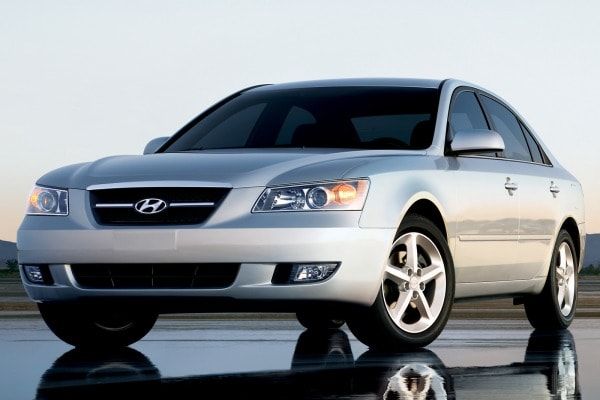
The 2.0–2.4L inline-four that became the backbone of Hyundai’s mid-size sedans. Co-developed and even shared with Mitsubishi and DaimlerChrysler, it underpins the Sonata NF/YF/LF/DN8 and the K5 lineage. With GDI direct injection in the early 2010s, both output and efficiency stepped up.

03
2005–now
Engine

Lambda V6

The V6 3.0–3.8L that handles the upper trims of the Grandeur, Genesis sedans and Santa Fe. Debuted in the 2005 Grandeur TG and ended the Mitsubishi-V6 era; it later evolved into the 3.3 T-GDI (Lambda II twin-turbo) and reached the high-performance Genesis G70/G80.

04
2010–now
Engine

Nu

The 1.6–2.0L four powering the Avante, Kona and K3 lines. It branched into Nu GDI and 1.6 T-GDI, extending up to the hot-hatch Avante N. The most common — and most polished — engine of the Korean compact segment.

05
2018–now
Engine

Smartstream

The unified downsizing-and-efficiency brand of Hyundai-Kia. Marquee units include the 1.6 T-GDI — the first production application of CVVD (Continuously Variable Valve Duration) — and the 2.5 T-GDI fitted to the N line. A generation that raised both output and economy on the same displacement.

SIGNATURES

Chassis & Drivetrain Signatures

800V
01 / 08Drivetrain

E-GMP 800V architecture

A dedicated BEV platform that brought 800V to mass production. With a 350 kW charger it goes from 10 to 80% in 18 minutes and adds ~100 km of range from a five-minute charge; a rear-biased motor layout carries handling character into the EV era.

Architecture800V
Max charge350 kW
10→80%18 min
Official Reference

E-GMP platform showcase — 800V architecture, battery pack, integrated PE system

Wikimedia Commons 기여자CC BY-SASource ↗
EV3.6 kW · BI-DIR
02 / 08Drivetrain

V2L bidirectional power

The Ioniq 5/6/9 turn the car itself into a 3.6 kW inverter; an in-cabin 220 V outlet plus an external V2L adapter cover camping, disaster relief and power-tool use — the headline feature in Korean EV marketing.

AC Output3.6 kW
Outlet220V
ModeBidirectional
ADAS
03 / 08Tech

Hyundai SmartSense

An ADAS package rolled out across the line: lane following, highway driving assist (HDA / HDA 2), forward collision avoidance and blind-view monitor — bringing equivalent safety equipment even to lower-priced models.

Top tierHDA 2
SensorsRADAR + Camera
Coverage전 차종
04 / 08Tech

Bluelink + Pleos Connect

Bluelink telematics (remote start, scheduling, diagnostics) and Pleos Connect infotainment on the next-generation ccNC architecture. First fitted to the 2026 Grandeur facelift on a 17-inch display, integrated with the Gleo generative AI.

ArchitectureccNC
Display17″ Pleos
AIGleo
02468RPM ×1000
05 / 08Drivetrain

N — Nürburgring DNA

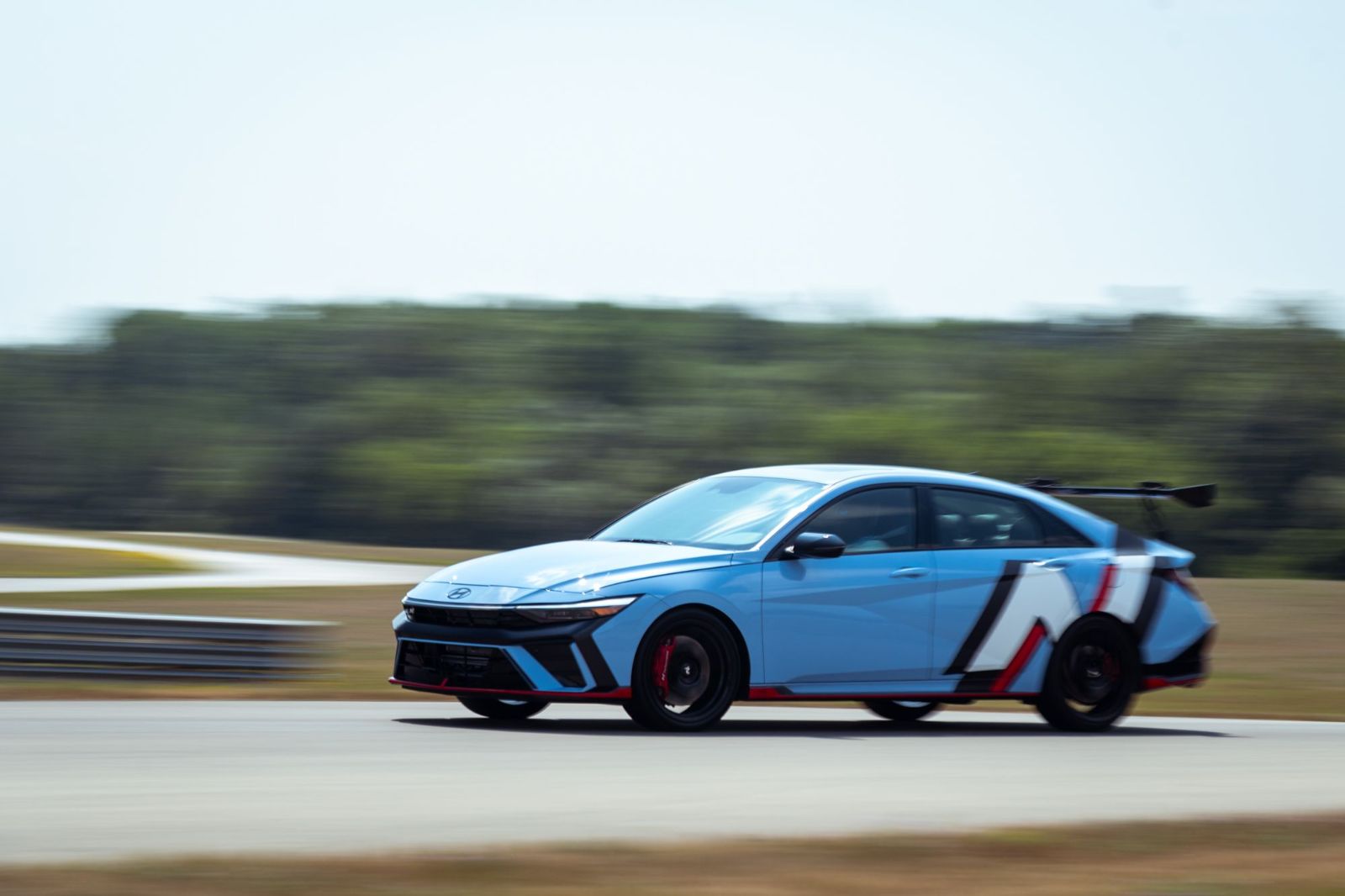
A high-performance sub-brand launched in 2014 and tuned on Germany’s Nürburgring Nordschleife. It grew through the i30 N, Kona N and Avante N, and opened its electrified chapter with the 2024 Ioniq 5 N.

Since2014
DNANordschleife
EV eraIoniq 5 N
FRFRONTREARHTRACVARIABLE
06 / 08Drivetrain

HTRAC AWD

Hyundai’s AWD system, distributing torque front-to-rear in real time based on surface and drive mode. Used across the Grandeur, Santa Fe, Palisade and Ioniq 5/6 AWD, and on EVs it also coordinates regenerative braking.

Drive4WD
DistributionVariable F/R
PowertrainsICE + EV
07 / 08Aero & Design

Parametric Dynamics design

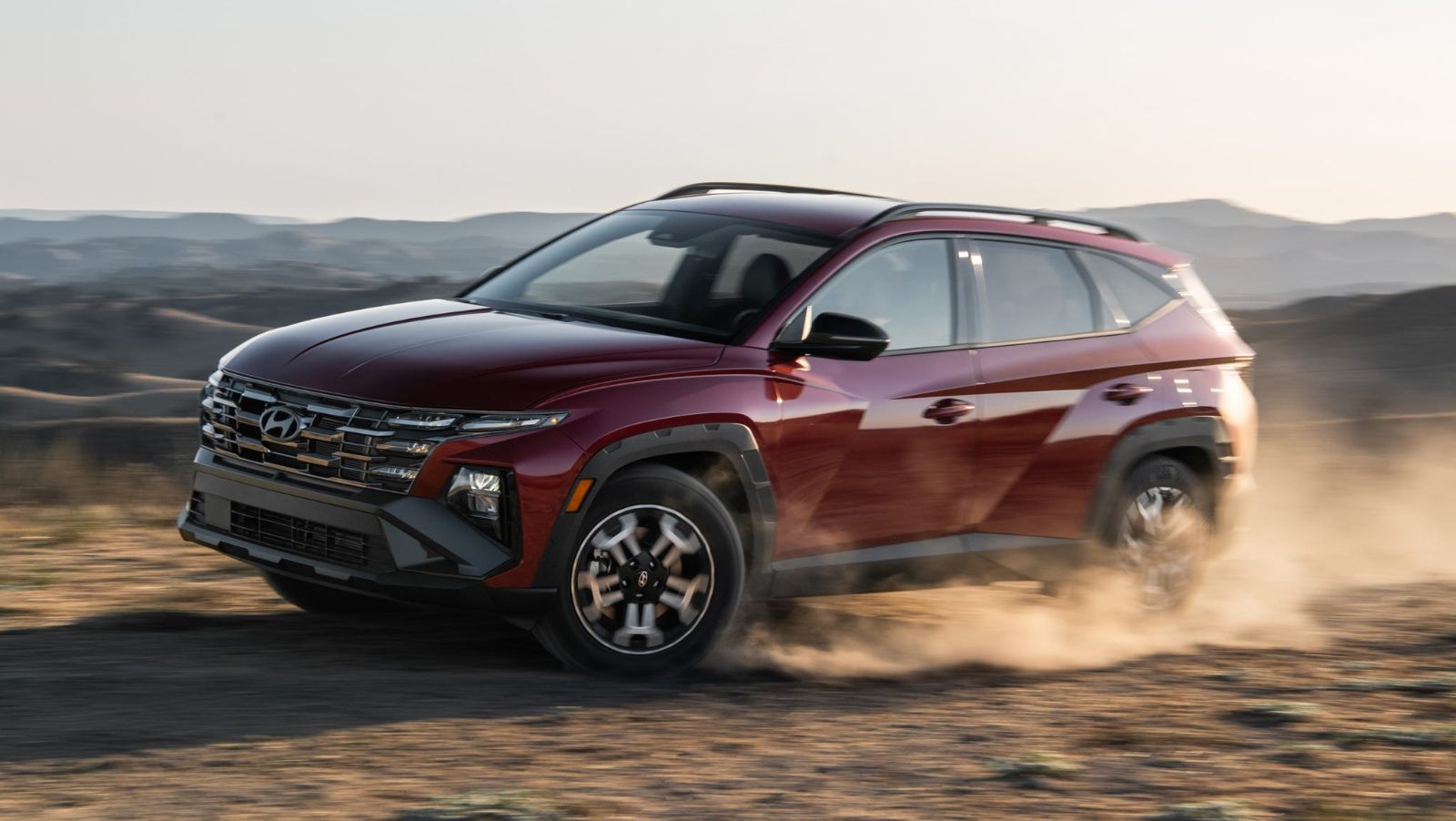
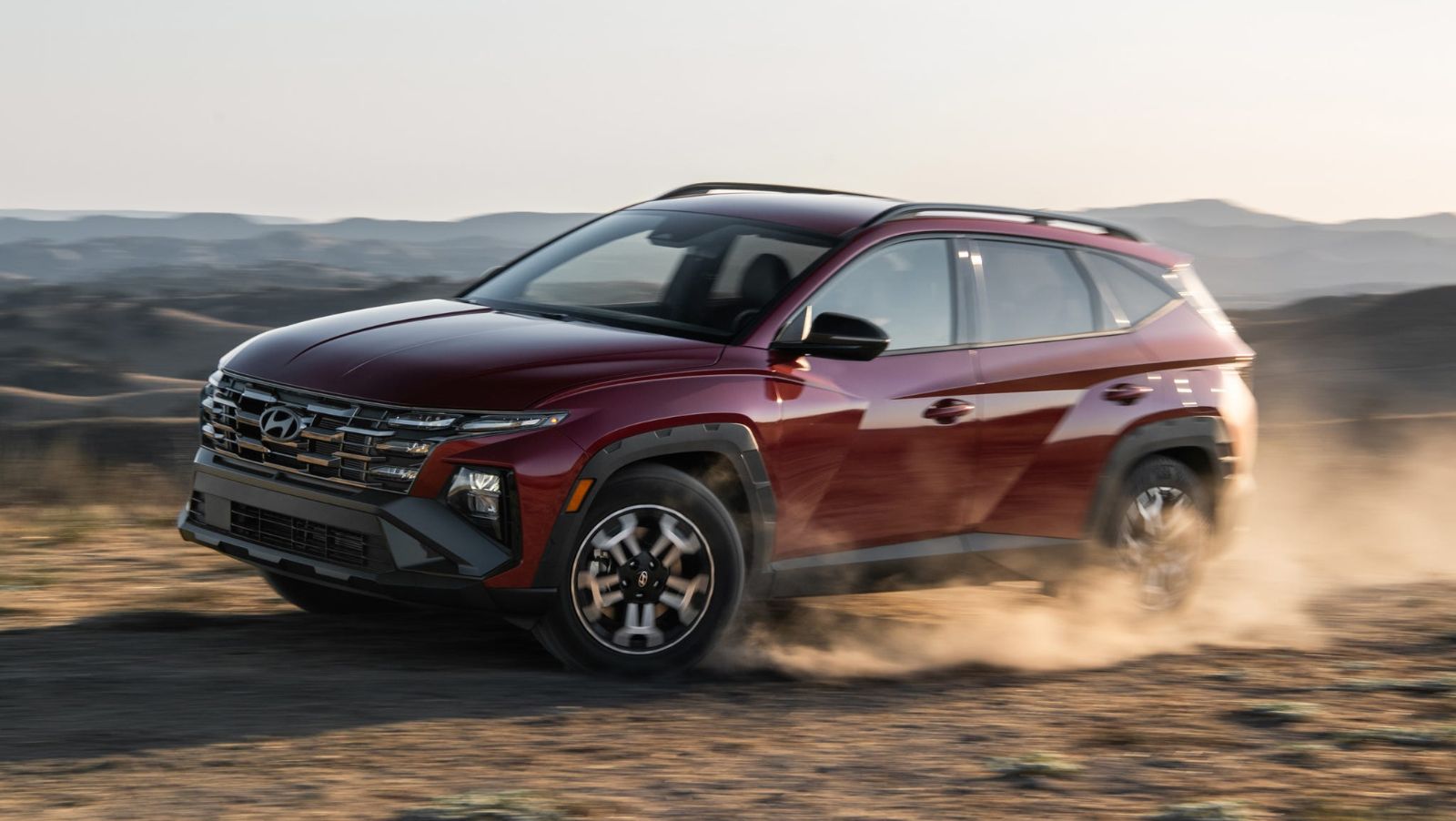
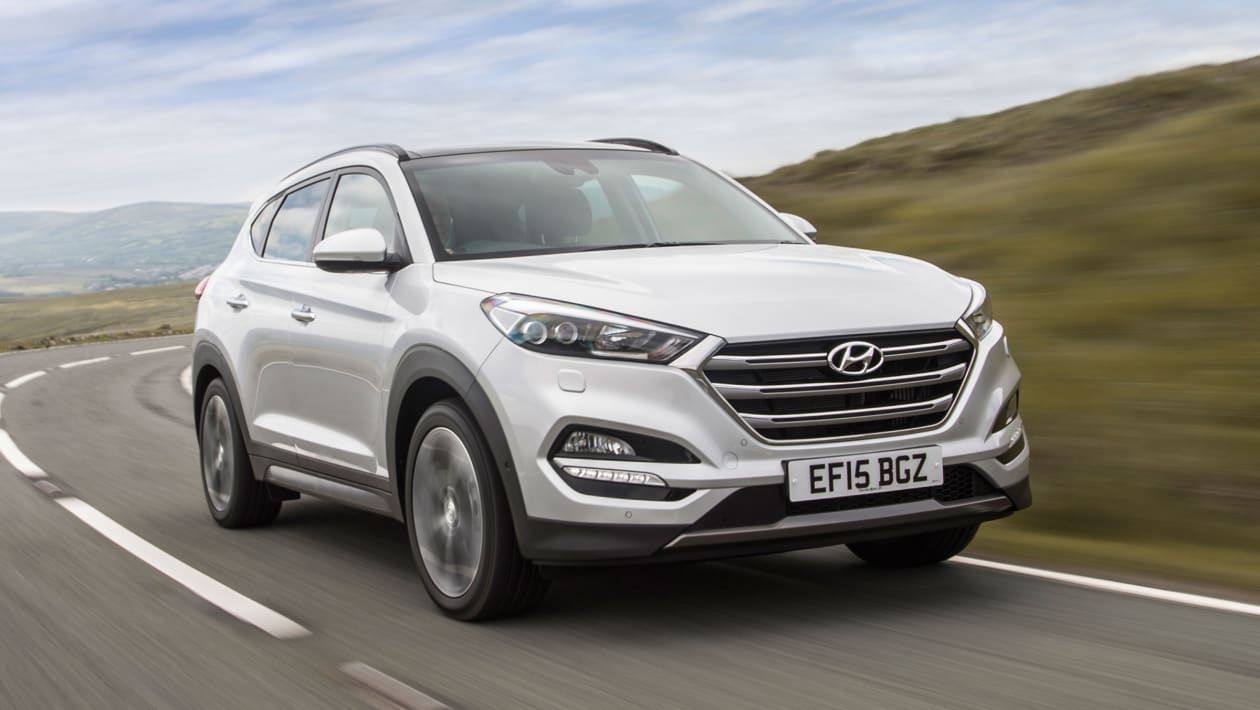
The design language since 2020 — pixel graphics (Ioniq 5), parametric grilles (Tucson NX4) and other geometric patterns share a consistent motif, so one model immediately implies the next as part of the family.

MotifPixel · Parametric
Since2020
AcrossICE + EV
UWBULTRA-WIDEBAND
08 / 08Tech

Digital Key 2.0 — your phone is the key

A UWB (Ultra-Wideband) digital key: unlock and start with the phone in your pocket, and grant time-limited access to others. Rolled out in earnest from the Grandeur GN7, it shifted the paradigm of car locking in Korea itself.

TechUWB
SinceGrandeur GN7
SharingTime-limited
LINEUP

Model Lineup (92)

Heritage & Generations

See the generation history at a glance.