BMW

BMW S Engine

View all generations

Where M's heart began

In 1986, a single naturally aspirated four-cylinder rewrote everything about BMW M. Code-named S14, it borrowed the block of BMW's F1 M12 four-cylinder and turned it into a production-ready 2.3-litre 16-valve engine for the E30 M3. With it, BMW Motorsport drew the new benchmark for the production sport sedan. A naturally aspirated four spinning to 7800 rpm — that raw, eager character became the prototype of those two letters: 'M'. ## The golden age of the inline-six NA The S50, S52 and S54 represent the peak of BMW's most confident format — the naturally aspirated inline-six. The E36 M3's S50B30 made 286 PS, the S50B32 made 321 PS, and the E46 M3's S54B32 delivered 343 PS at 7900 rpm — the last generation to extract 100 hp per litre without forced induction. An 8000 rpm redline, honest linear torque, an intake note like a jet starting up. These are still the engines we remember by one question: 'how high will it spin?' ## V8 and V10 — the summit of natural aspiration The S85 5.0-litre V10 that arrived in the 2005 E60 M5 was what happened when BMW told its F1-pedigree engineers to 'build with no limits'. 507 PS at 7750 rpm, 8250 rpm redline. Carbon paper-coated bearings, ten individual throttle bodies. Two years later, the E92 M3's S65 V8 (4.0 litres, 420 PS, 8400 rpm redline) was designed as that V10's younger sibling. The absolute ceiling of what a production naturally aspirated engine could reach. ## Into the era of forced induction When the F80 M3 arrived in 2014 with a twin-scroll, twin-turbo inline-six — the S55 — the M community was shaken. From NA to turbo, the pressure of an era. 431 PS rising to 460 PS, with peak torque of 550 Nm. The sound was lost, but for the first time the 0-100 km/h time dropped into the fours. Efficiency and emissions had rewritten even BMW M. ## Today's S58 — the last pure twin-turbo straight-six The S58B30 powering the G80 M3, G82 M4 and G87 M2 is the last pure twin-turbo inline-six BMW M built before electrification. 480 to 530 PS, 9.5:1 compression, printed-circuit-board direct injection. M's future bends toward EVs — but the S58 is, at that junction, writing the final chapter of the 'S Engine' name. From the S14 in 1986 to the S58 in 2026 — forty years of revolutions per minute.
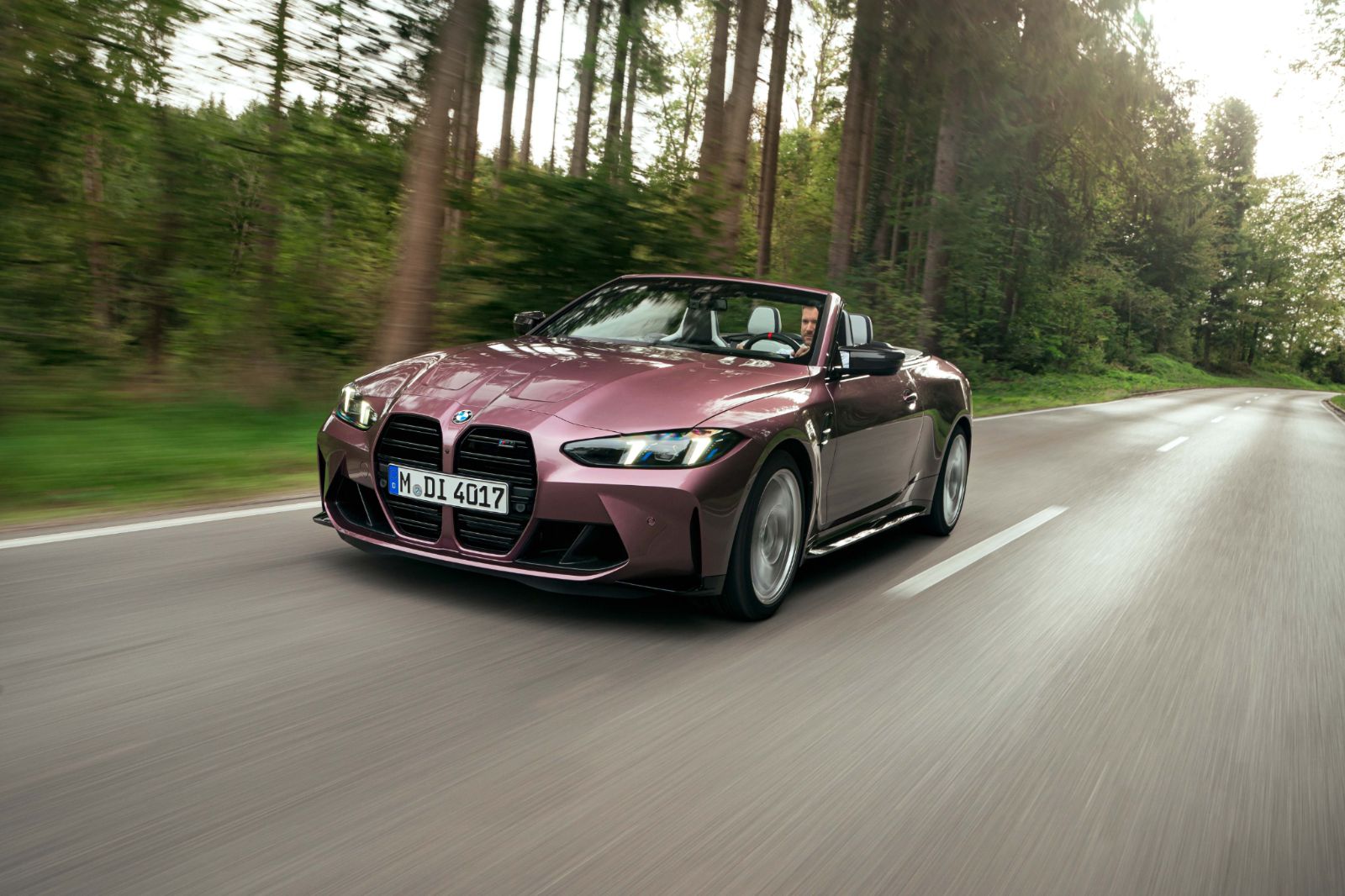
Nine Generations at a Glance

Naturally AspiratedTurbocharged
015030045060085909500051015Max Power (hp)YearS38S14S50S62S54S85S65S55S58

Click a point to jump to the engine card

1 / 51986

The Start

1986 — where it all began

BMW M's first production engine. A naturally aspirated inline-four built on the F1 M12 block with a four-valve head. The name "M3" began here.

S14

Inline-4 · Naturally Aspirated · 2.3L

1986–1991
Max Power
195hp
@ 6,750 rpm
Max Torque
24.5kgf·m
@ 4,750 rpm
Redline
7,250rpm
Displacement
2,302cc

"Where M began — an inline-four descended from the F1 M12"

The First Heart of M

Made for the E30 M3 in 1986. Based on the F1 M12 four-cylinder block with a 16-valve DOHC head. 2.3L naturally aspirated, 195hp. The later Sport Evolution went 2.5L / 238hp with a 7,600rpm redline.

Cars That Carry This Engine

1
2 / 51995

Inline-Six Golden Era

When the M5 and M3 shared the same heart

The 90s — the M5 ran the M88-derived S38, the M3 moved to the new S50. Both naturally aspirated inline-sixes. VANOS variable valve timing arrived; mass-produced NA inline-sixes began passing 100 hp per litre.

S38

Inline-6 · Naturally Aspirated · 3.5L

1985–1995
Max Power
315hp
@ 6,900 rpm
Max Torque
36.7kgf·m
@ 4,750 rpm
Redline
7,000rpm
Displacement
3,535cc

"The golden age of the inline-six — direct heir of the M88"

The Inline-Six That Built the M5

The production successor to the M88 originally found in the M1. Debuted in the E28 M5 (286hp), refined in the E34 M5 (3.6L/315hp), and reached 3.8L/340hp in the 1991 LCI. The engine that turned the M5 into the world's fastest sedan.

S50

Inline-6 · Naturally Aspirated · 3.2L

1992–1999
Max Power
321hp
@ 7,400 rpm
Max Torque
35.7kgf·m
@ 3,250 rpm
Redline
7,600rpm
Displacement
3,201cc

"Into the 100hp-per-litre era"

The Inline-Six That Foreshadowed 9,000 rpm

The heart of the E36 M3. Introduced VANOS variable valve timing in earnest, balancing low-end torque with high-rpm power. Began as 3.0L/286hp (B30), evolved into 3.2L/321hp (B32) in 1996. Among the first mass-produced NA inline-sixes to exceed 100hp per litre.

Cars That Carry This Engine

1
3 / 52005

The V8 and V10 Apex

The era when the M5 was no longer an inline-six

V8 (S62) in the E39 M5, V10 (S85) in the E60 M5. The only moment in history a Williams-era F1 V10 made its way into a mass-produced saloon. A five-litre V10 that revved to 8,250 rpm.

S62

V8 · Naturally Aspirated · 4.9L

1998–2003
Max Power
400hp
@ 6,600 rpm
Max Torque
51.0kgf·m
@ 3,800 rpm
Redline
7,000rpm
Displacement
4,941cc

"For the M5, a V8"

The V8 Era of the M5

A 4.9L V8 built for the E39 M5. Double VANOS and eight individual throttle bodies gave it response on par with an inline-six. 400hp / 500Nm. The same engine later powered the Z8 roadster.

S85

V10 · Naturally Aspirated · 5.0L

2005–2010
Max Power
507hp
@ 7,750 rpm
Max Torque
53.0kgf·m
@ 6,100 rpm
Redline
8,250rpm
Displacement
4,999cc

"Echoes of an F1 V10 — to 8,250 rpm"

A V10 in a Saloon

A 5.0L naturally aspirated V10 built for the E60 M5 and E63 M6. The production-spec echo of BMW's F1 V10 era with Williams. 507hp with an 8,250 rpm redline. The first — and last — V10 ever fitted to a mass-produced saloon.

4 / 52006

The Peak of Natural Aspiration

Past 8,000 rpm — to the edge of natural aspiration

The E46 M3's S54 is often cited as the apex of the NA inline-six. And the E92 M3's S65 — the only V8 in M3 history, revving to 8,400 rpm. Two engines that stand right where natural aspiration stopped.

S54

Inline-6 · Naturally Aspirated · 3.2L

2000–2008
Max Power
343hp
@ 7,900 rpm
Max Torque
37.2kgf·m
@ 4,900 rpm
Redline
8,000rpm
Displacement
3,246cc

"The NA inline-six at its peak — 8,000 rpm"

105 hp/L — The Apex of the NA Inline-Six

The heart of the E46 M3. 3.2L making 343hp at 7,900 rpm with an 8,000 rpm redline. Six individual throttle bodies, MSS54 ECU, forged crank. The M3 CSL pushed the same engine to 360hp. The most often cited name among mass-produced NA inline-sixes.

Cars That Carry This Engine

1

S65

V8 · Naturally Aspirated · 4.0L

2007–2013
Max Power
414hp
@ 8,300 rpm
Max Torque
40.8kgf·m
@ 3,900 rpm
Redline
8,400rpm
Displacement
3,999cc

"The only V8 in M3 history — 8,400 rpm"

The Seven Years the M3 Had a V8

A 4.0L naturally aspirated V8 for the E92 M3 — essentially the S85 V10 with two cylinders removed. A four-litre V8 that revved past 8,400 rpm and made peak power at 8,300 rpm. An engine that closed an era. The GTS extended it to 4.4L / 444hp.

Cars That Carry This Engine

1
5 / 52019

The Turbo Era

The inline-six returned — but no longer naturally aspirated

The F80 M3's S55 and the G80 M3's S58. Six years after the V8, BMW returned to the twin-turbocharged inline-six. Torque arrived earlier and power climbed higher — but the linear rev character went somewhere else.

S55

Inline-6 · Twin-Turbo · 3.0L

2014–2018
Max Power
425hp
@ 7,300 rpm
Max Torque
56.1kgf·m
@ 1,850 rpm
Redline
7,600rpm
Displacement
2,979cc

"The turbo era begins — 425hp inline-six"

The M3 Returns to the Inline-Six

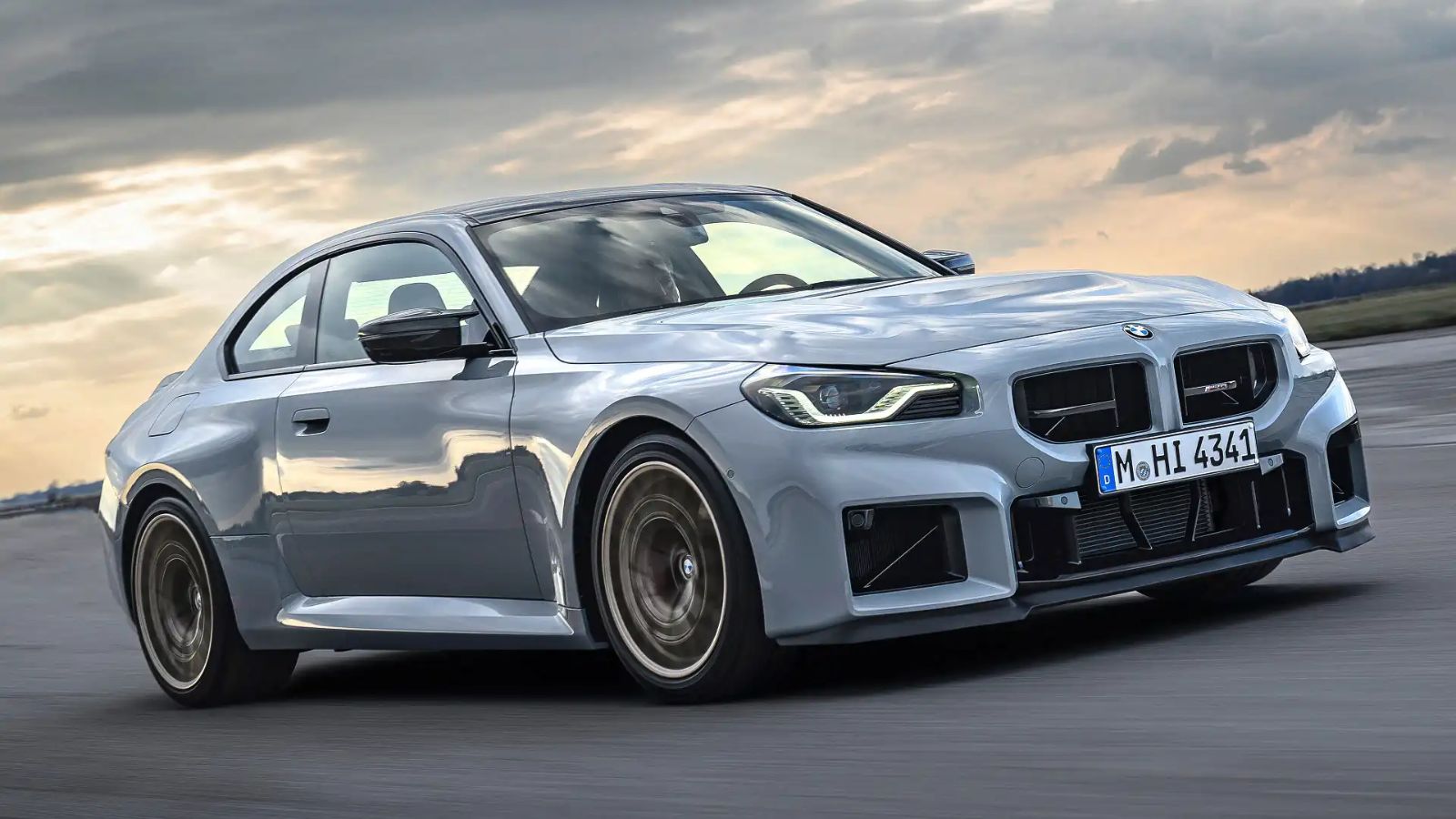
The twin-turbocharged inline-six of the F80 M3 / M4. After only six years of the V8 S65, BMW returned to inline-six + turbo. 425hp / 550Nm. The M4 GTS pushed it to 500hp with water injection; the same engine also powered the M2 Competition and CS.

S58

Active

Inline-6 · Twin-Turbo · 3.0L

2019–present
Max Power
480hp
@ 6,250 rpm
Max Torque
56.1kgf·m
@ 2,650 rpm
Redline
7,200rpm
Displacement
2,993cc

"Today's benchmark — 480hp turbo inline-six"

Today's Apex

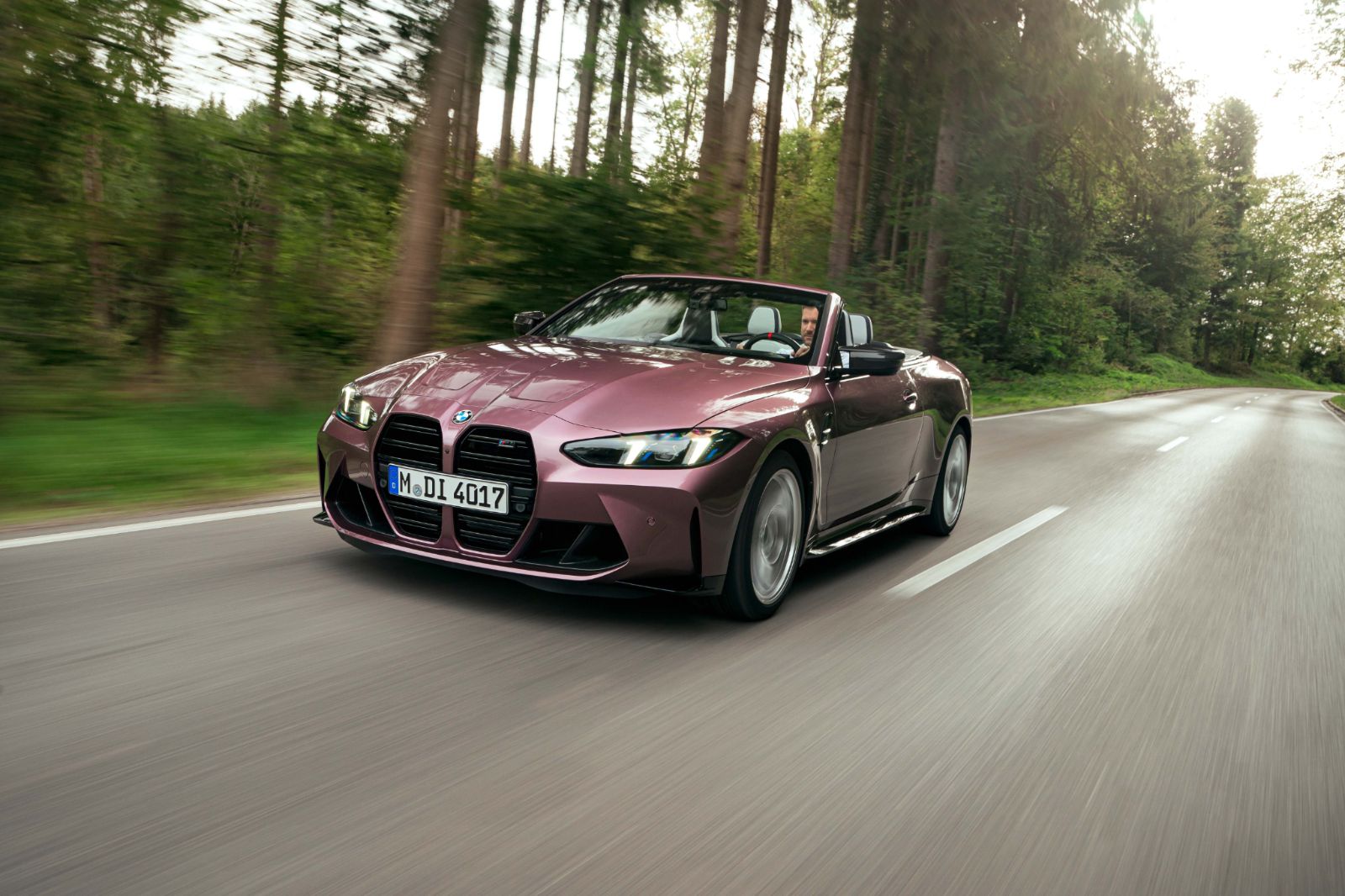
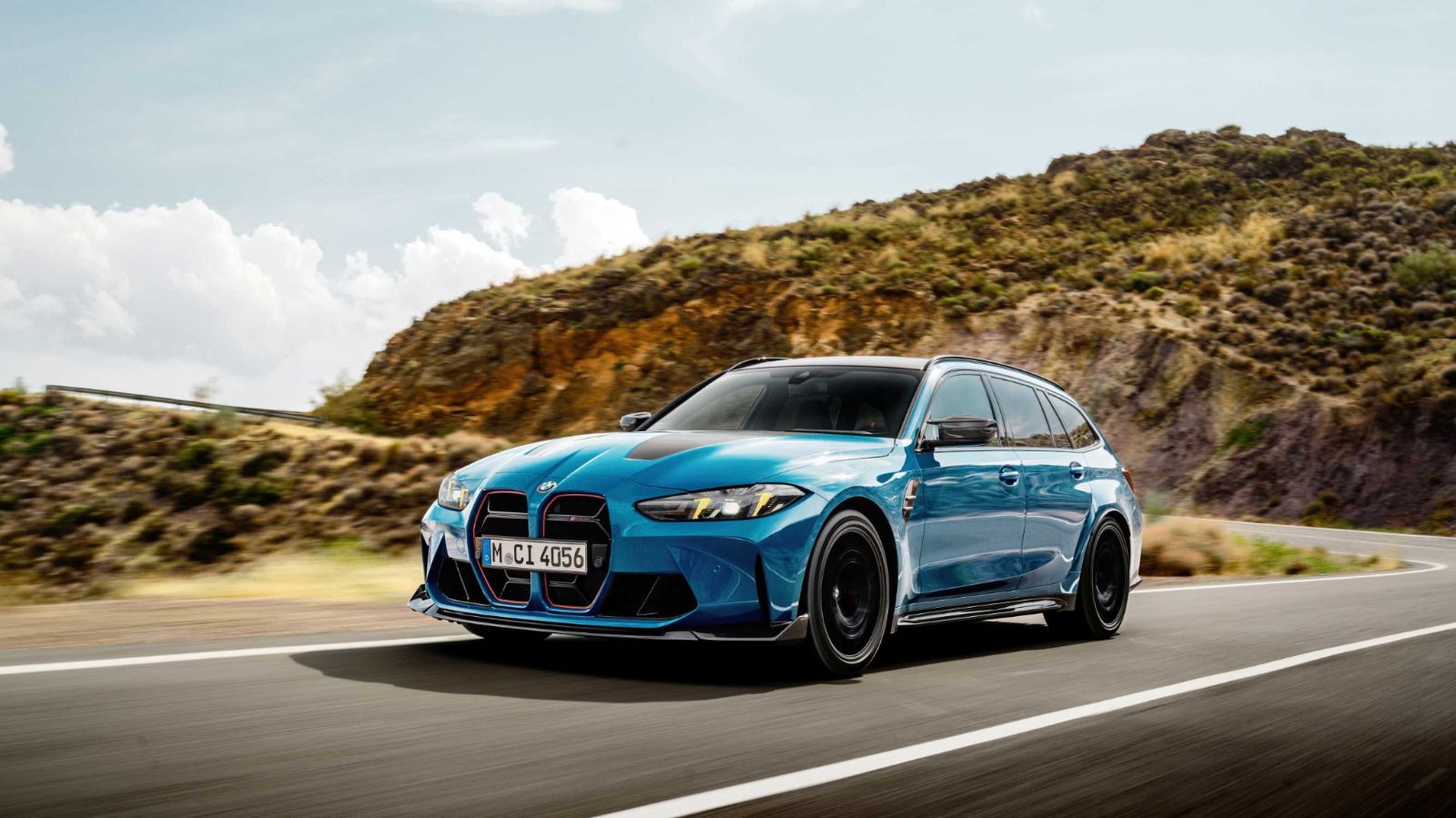
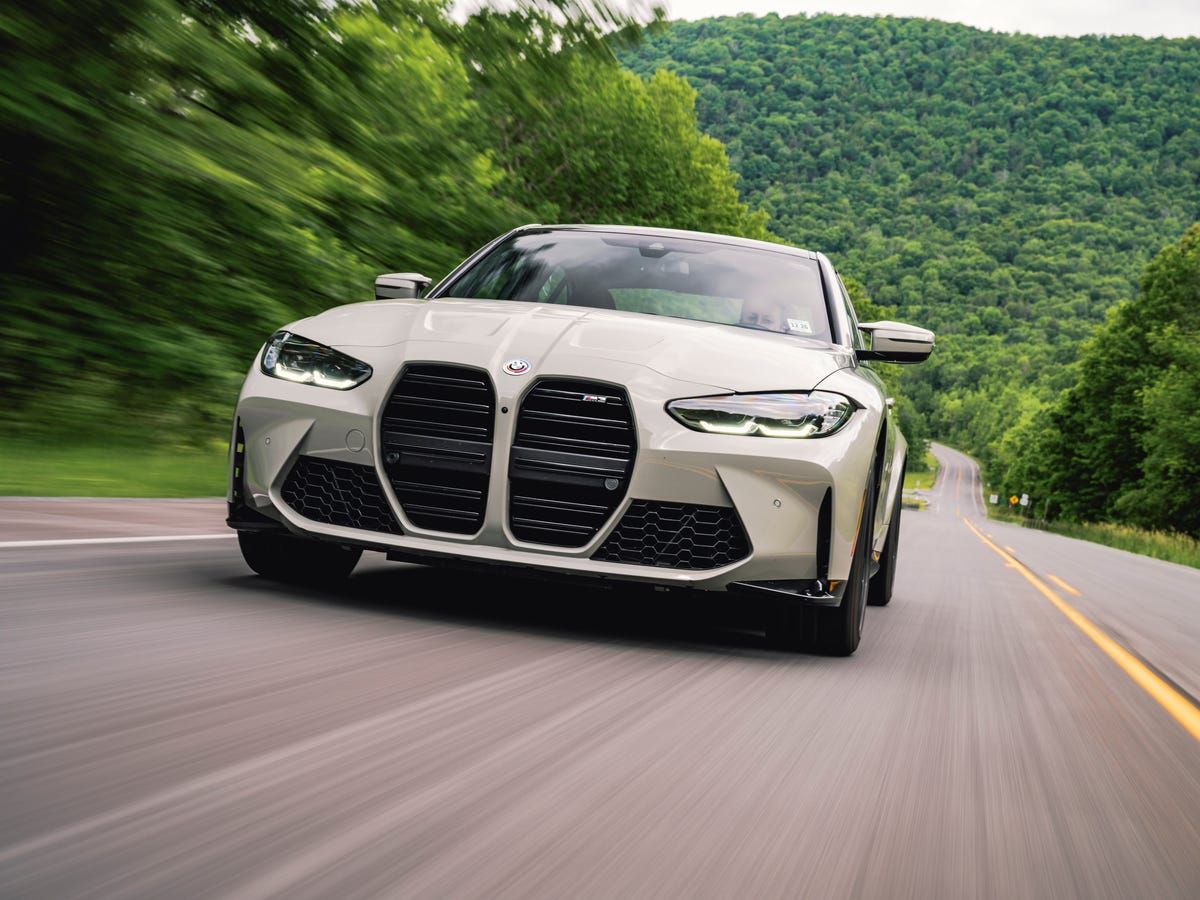
The current twin-turbo inline-six powering the G80 M3, G82 M4, X3 M and X4 M. Standard 480hp, Competition 510hp, CS 530hp. 650Nm of torque hits from 1,850 rpm. Only the Competition (510hp) is officially imported to Korea.

More legendary engines